Description
♟️ What is this book about?
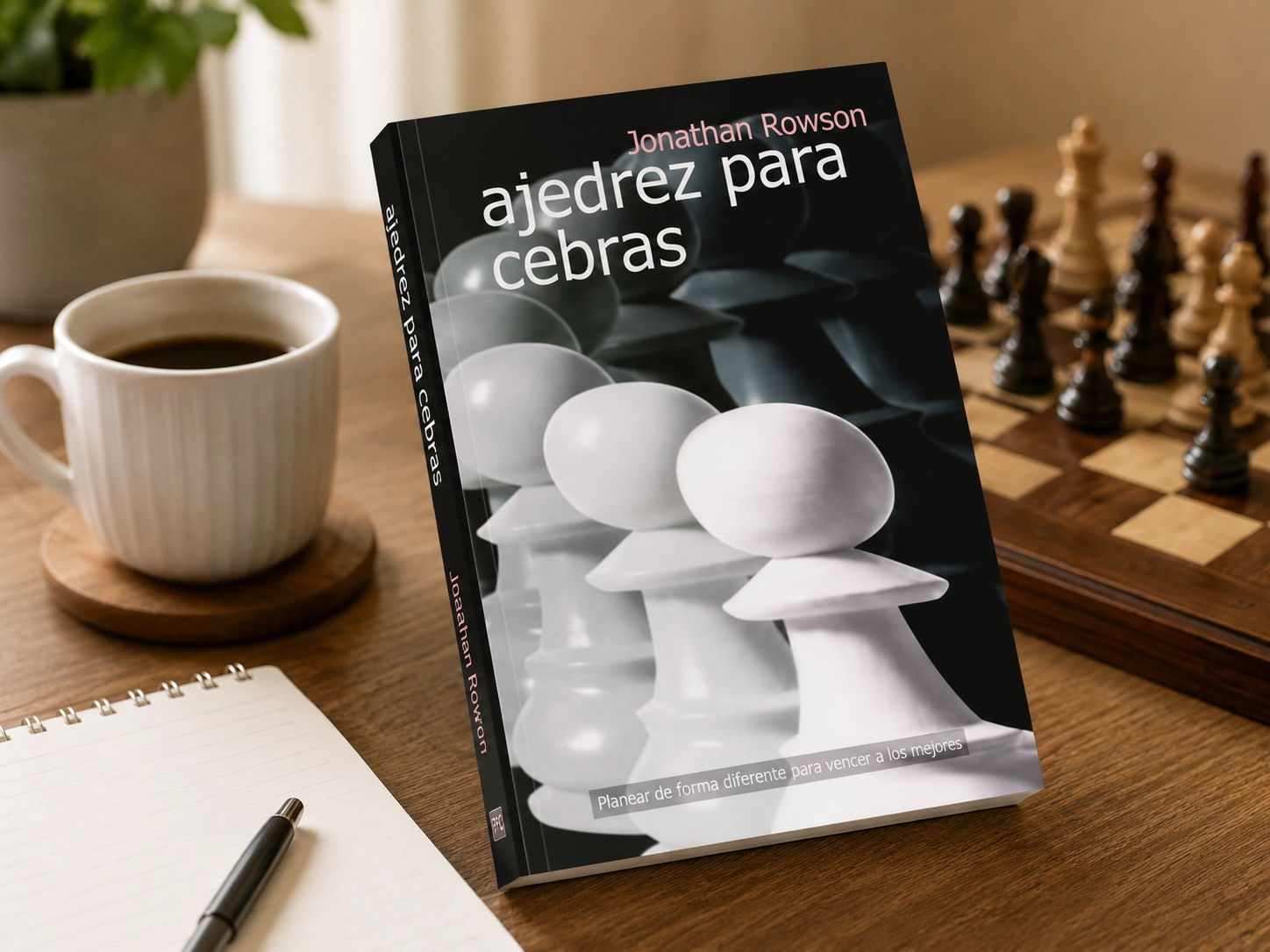
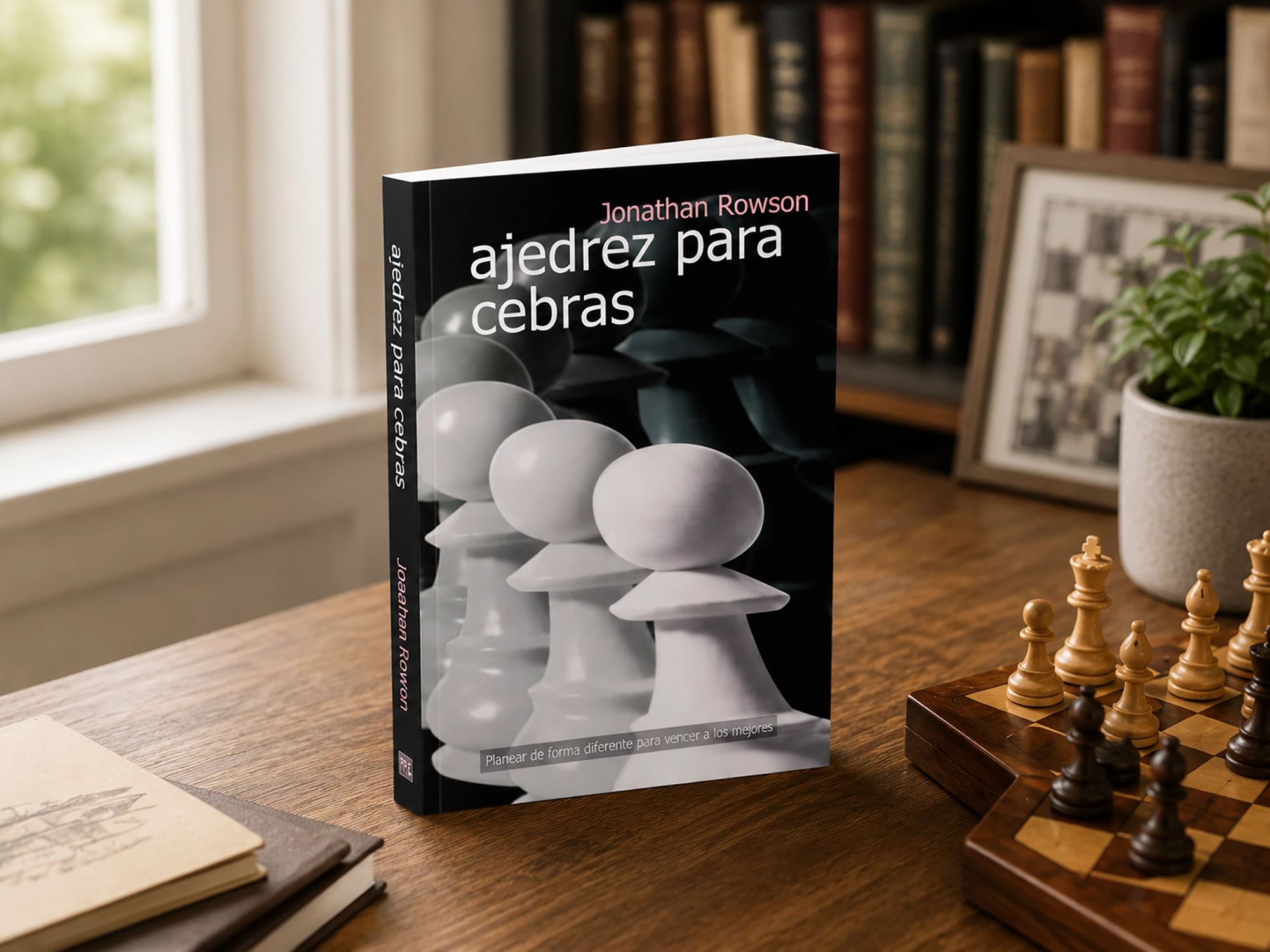
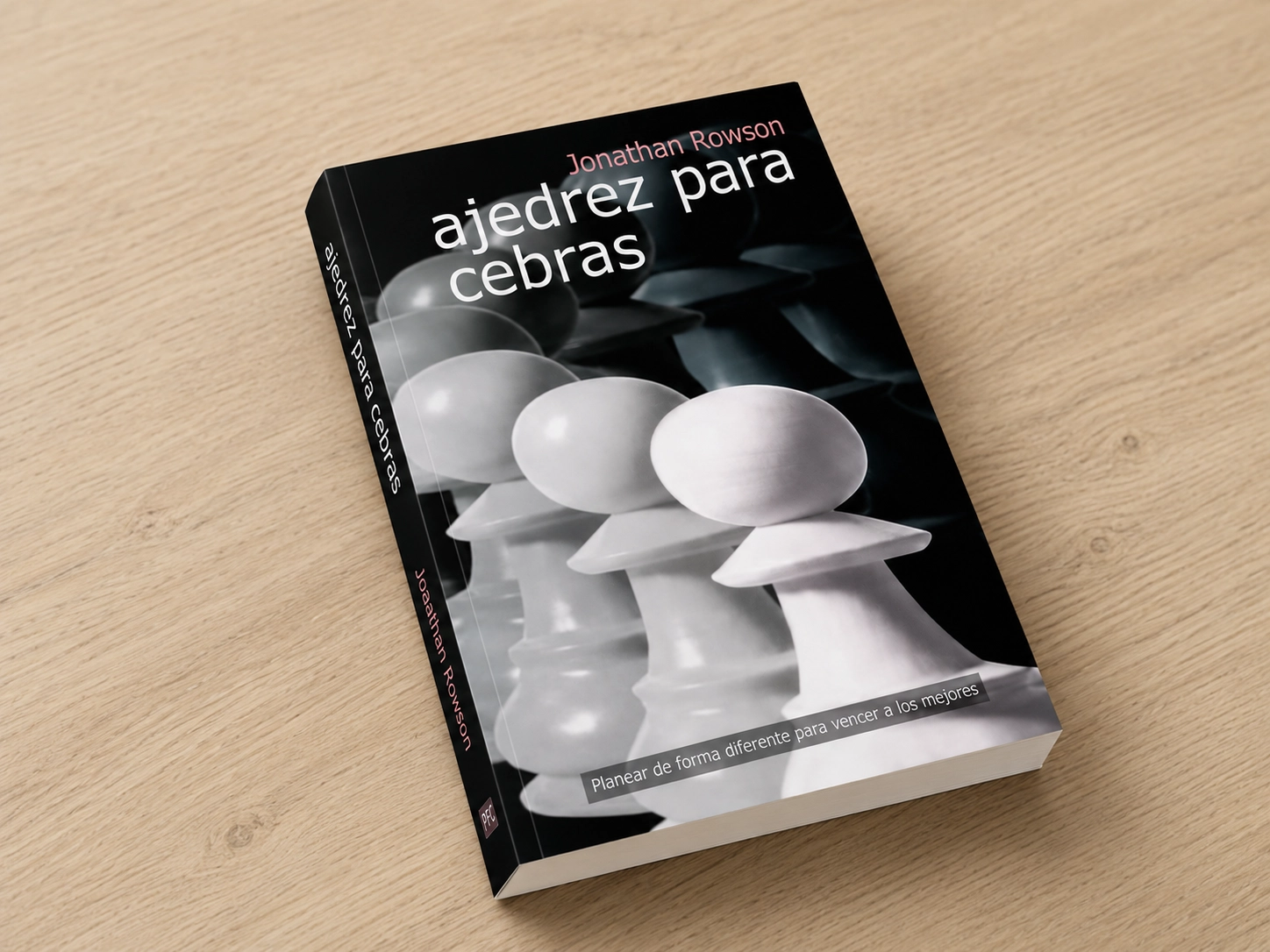
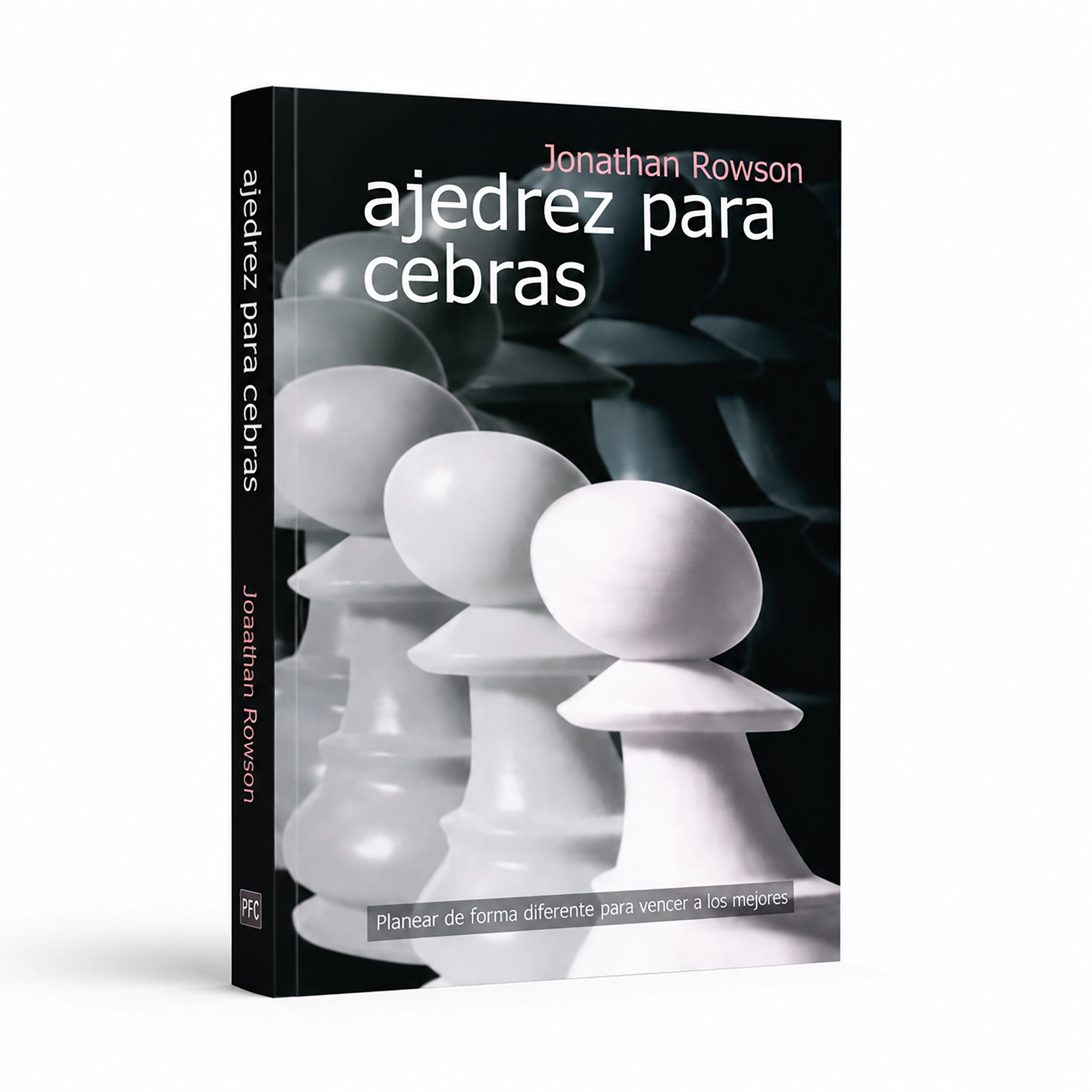
Chess for Zebras is one of the most original books ever written about chess improvement — original because it’s honest about what chess books usually avoid saying. Jonathan Rowson, a three-time British Champion and psychology researcher, argues that most chess players who study seriously don’t improve as much as they should — not because they lack the right material, but because they approach the game with psychological and cognitive patterns that undermine their own progress.
🎯 Who is this book for?
- Intermediate to advanced players who study consistently but aren’t getting the results they expect
- Players who feel they understand chess well but make inexplicable errors in real games
- Coaches who want to understand the psychological dimensions of player development
📖 What’s inside
- The question of how we actually improve: what the research on learning says vs. what chess culture assumes
- Psychological factors: how emotions, expectations, and self-image affect performance at the board
- Cognitive factors: why we find certain types of positions easy and others hard, independent of knowledge
- Attitudinal factors: the mindsets that support improvement vs. the ones that prevent it
- Opening choices and self-knowledge: how to choose openings based on your actual playing style
📚 The central argument: knowledge is necessary but not sufficient
Rowson’s core insight is that chess improvement requires changing how you think and feel at the board, not just adding more knowledge. Most chess education focuses entirely on knowledge — tactics, strategy, openings, endgames. This book focuses on the factors that determine whether that knowledge gets applied effectively under real game conditions.
♟️ Why we recommend it at Chesscul
At Chesscul we recommend this book to intermediate students who study seriously and are frustrated that their results don’t match their effort.
🔗 Recommended to pair with
- Seven Deadly Chess Sins: Rowson’s other major book on the psychological obstacles to chess improvement.
- Thinking Inside the Box: Aagaard’s decision-making framework complements Rowson’s psychological perspective with a more structured approach.







Reviews
There are no reviews yet