Description
♟️ What is this book about?
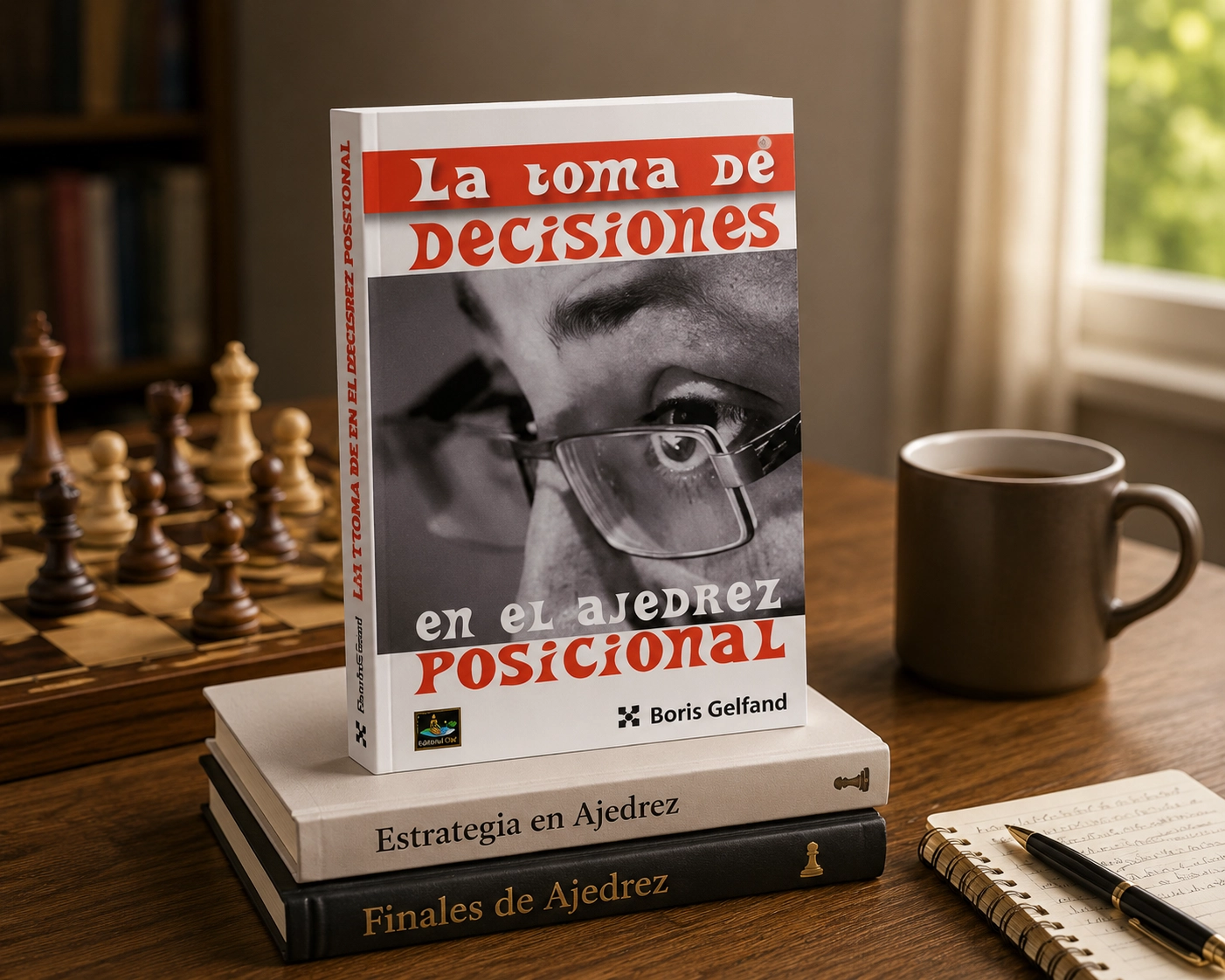
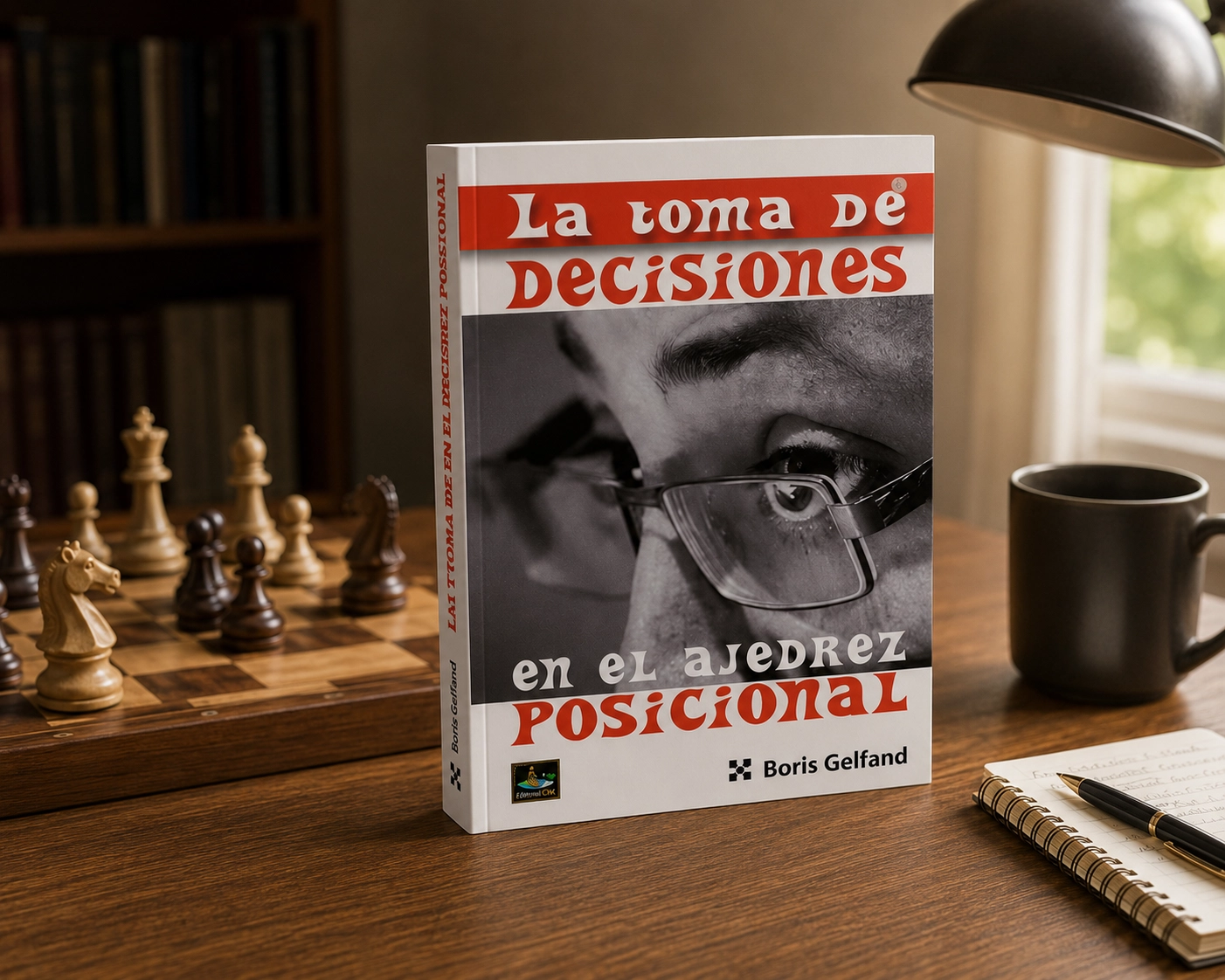
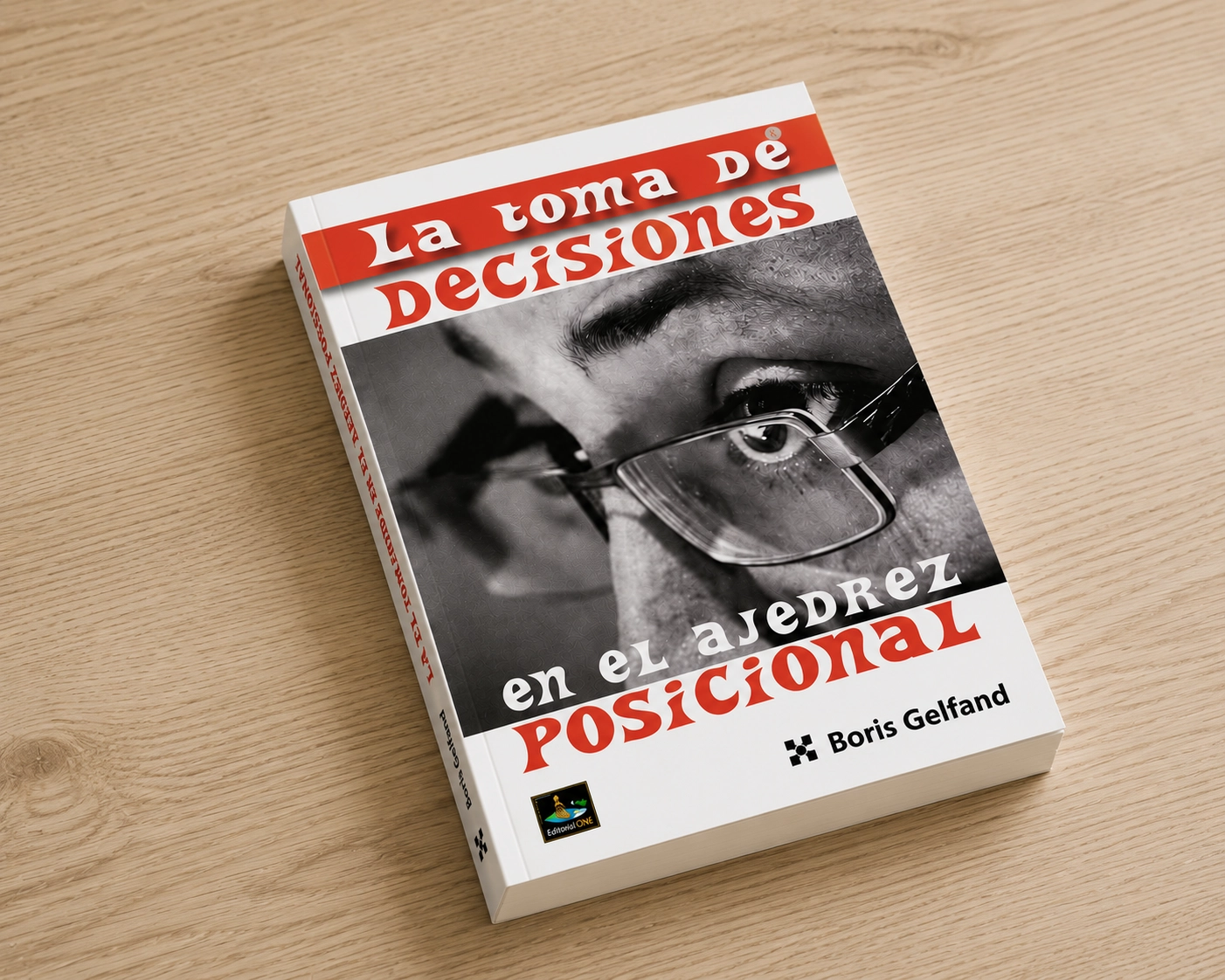
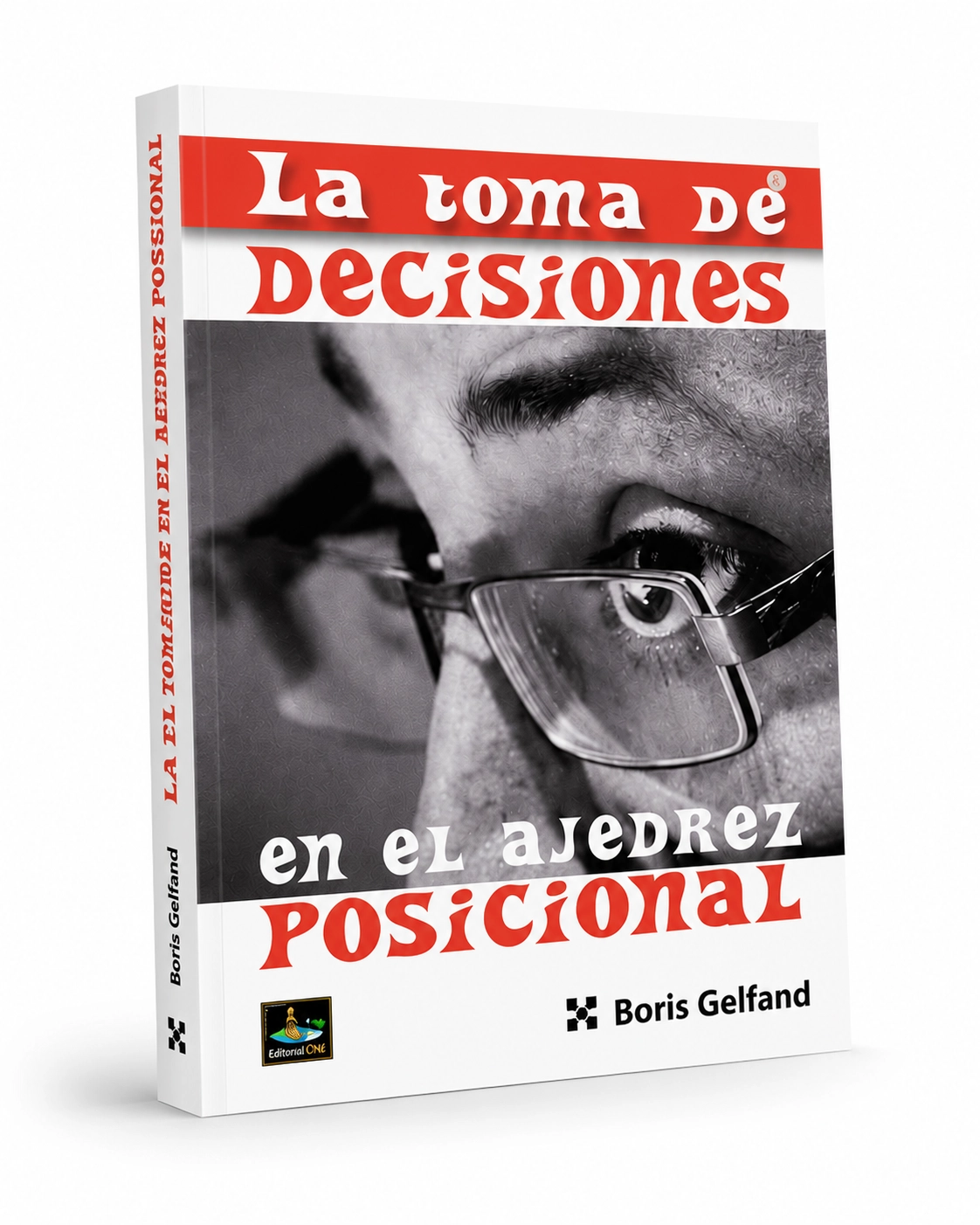
Positional decision-making — choosing a plan in positions where calculation doesn’t tell you the answer — is one of the hardest skills to develop in chess. Most chess books show you the result of that process; this book shows you the process itself, as applied by one of the world’s strongest positional players.
Boris Gelfand, a former World Chess Championship challenger, annotates his own games with Jacob Aagaard to show how he actually thinks in complex positional positions — including moments where he evaluated incorrectly or missed a subtlety during the game.
🎯 Who is this book for?
- Advanced players who understand positional concepts but make poor decisions when those concepts conflict
- Players who want to understand how elite positional thinking actually works, not just the theory behind it
- Coaches who want a model for teaching positional decision-making to advanced students
📖 What’s inside
232 pages covering the key aspects of positional decision-making through Gelfand’s annotated games:
- How to evaluate positions with multiple competing factors
- When to prioritize long-term considerations over immediate tactics
- How to identify the critical imbalances in a position and build a plan around them
- Evaluation errors Gelfand made during the game, with explanations
- The role of intuition in positional decision-making — and when it goes wrong
📚 What makes this series different
Most books on positional play present cleaned-up analysis with the benefit of hindsight. This series shows the real-time thinking process, including uncertainty, letting the reader compare their own thinking with that of an elite player.
♟️ Why we recommend it at Chesscul
At Chesscul we recommend this book to advanced students who have a solid understanding of positional principles but struggle to apply them in complex positions where multiple factors are in play.
🔗 Recommended to pair with
- Decision Making in Major Piece Endings: volume 3 of the series.
- Thinking Inside the Box: Aagaard’s three-question framework provides a more systematic structure for the decision-making process.
- Secrets of Modern Chess Strategy: Watson provides the positional context that underpins many of Gelfand’s decisions.







Reviews
There are no reviews yet