Description
♟️ What is this book about?
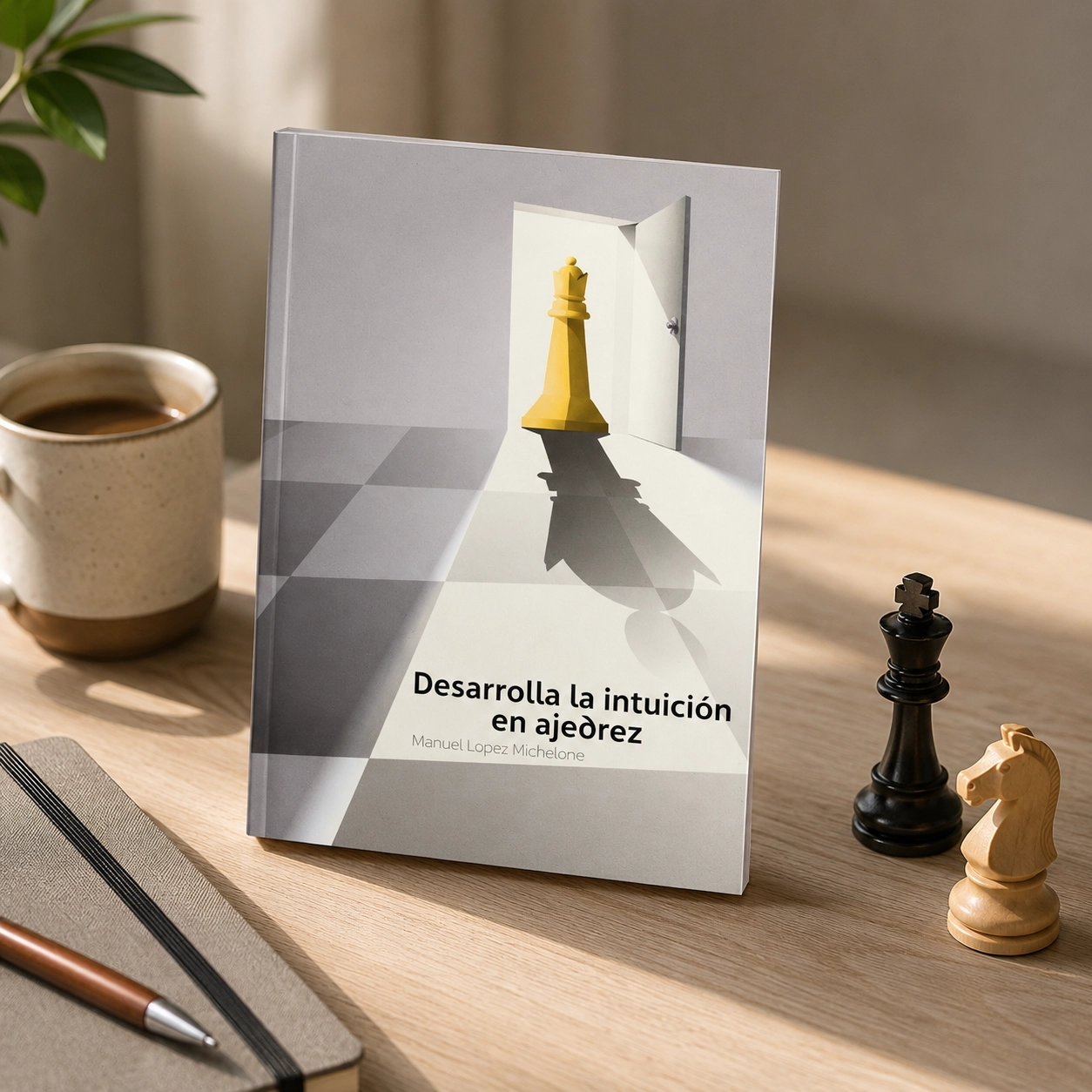
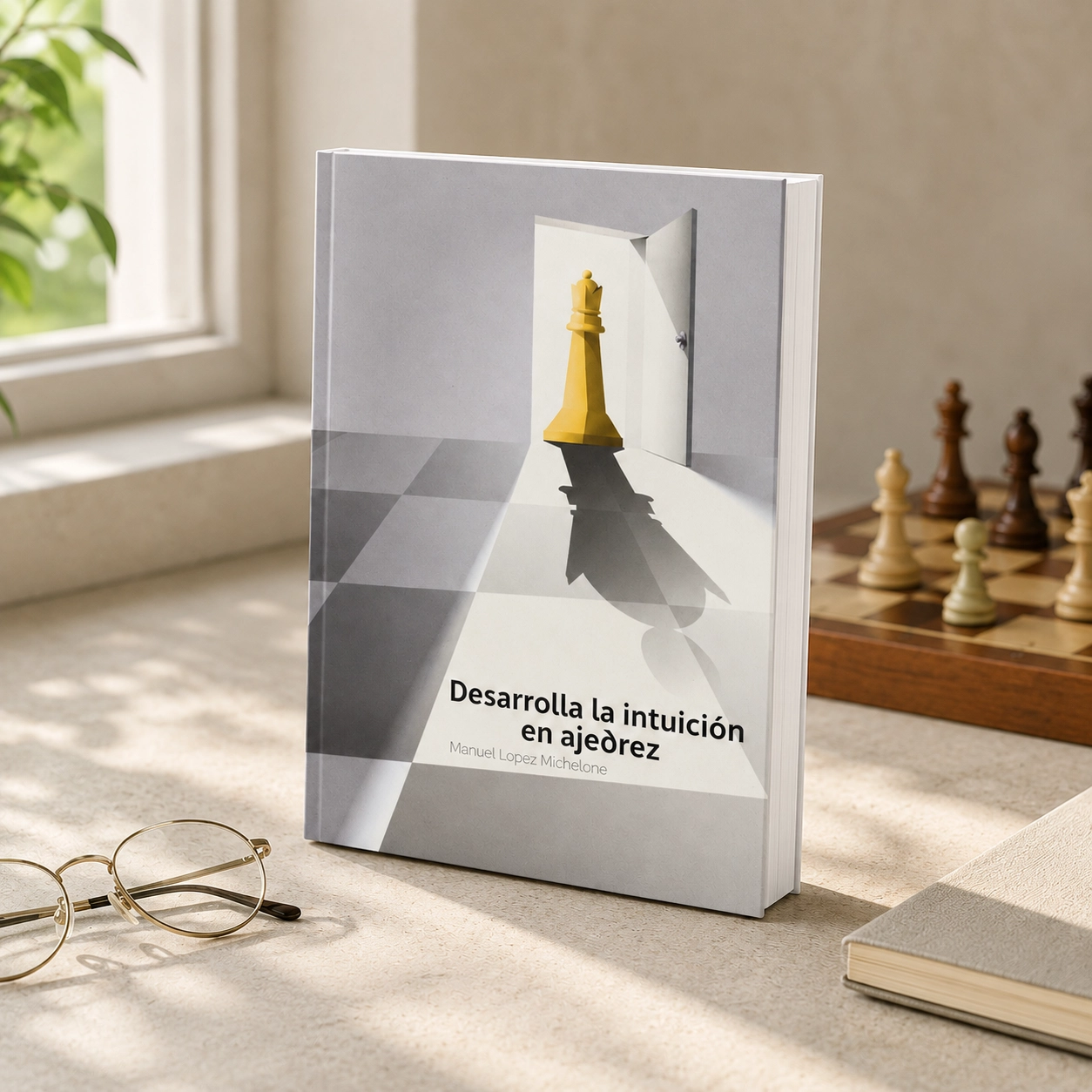
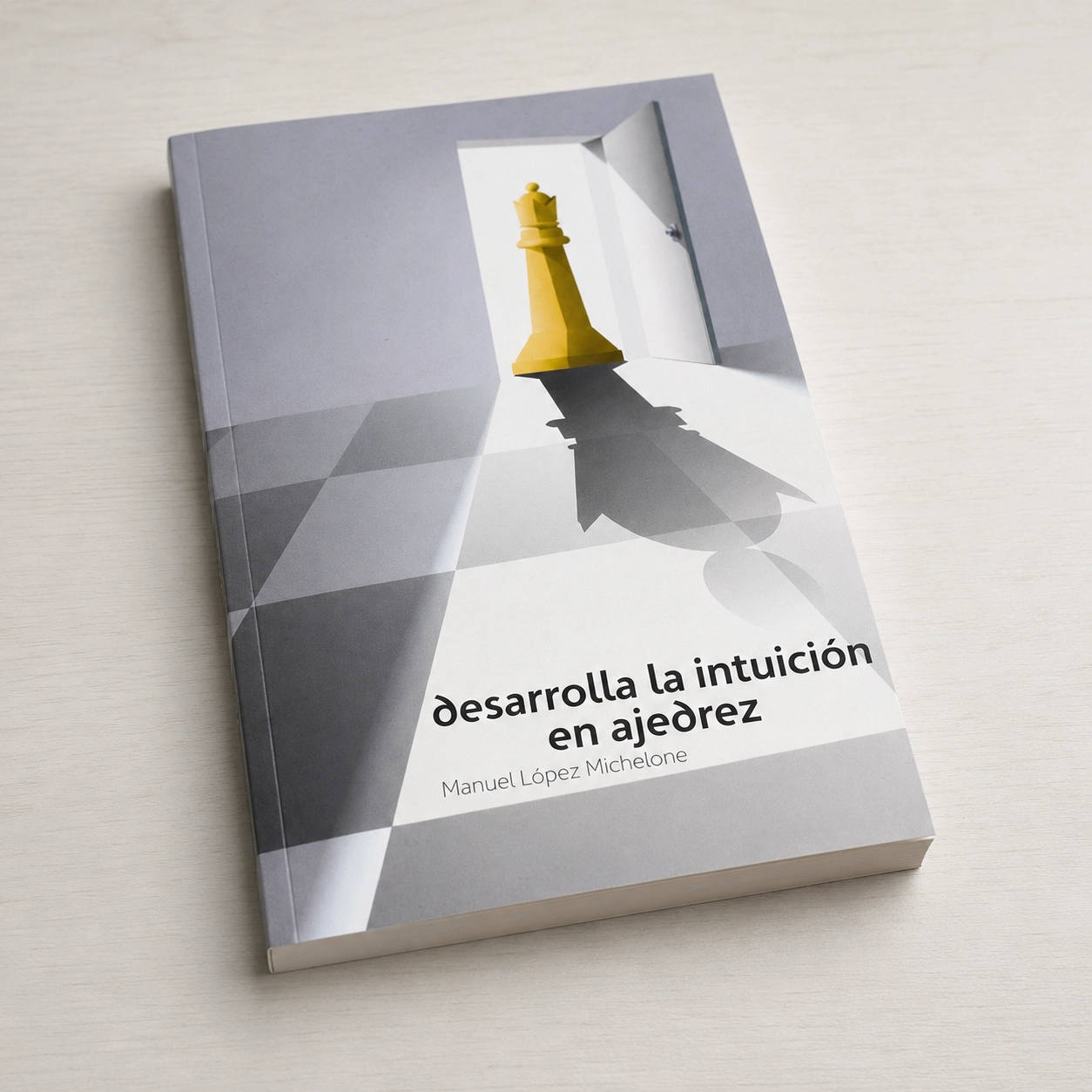
Chess intuition — the ability to evaluate positions quickly and accurately without exhaustive calculation — is the skill that most distinguishes strong practical players from players who know a lot of theory. This book presents two complementary approaches: first, through positional fundamentals that give the player a solid evaluation framework; and second, through the solo chess method — playing both sides of a game without seeing the opponent’s thinking from the inside.
The solo chess method is particularly effective because it forces you to think about both sides of the position simultaneously, which is the same demand a real game makes.
🎯 Who is this book for?
- Intermediate players who want to build more reliable positional instincts
- Club players who make good moves in familiar positions but flounder in unfamiliar ones
- Self-improvers who want an effective training method that doesn’t require a coach or training partner
📖 What’s inside
- Positional fundamentals: the key concepts that give a reliable framework for evaluating positions — piece activity, pawn structure, king safety, and their interaction
- The solo chess method: how to use this training technique effectively — how to choose games, how to approach each position, and how to learn from the decisions you make
- Practical exercises: worked examples of the solo chess method in action
- How to continue improving: how to integrate both approaches into a regular training routine
📚 Why intuition matters in practical play
In a real game, you can’t calculate everything. Most moves are made on the basis of positional evaluation — a quick assessment of which position is better and why. Improving that assessment is what improving chess intuition means in practice.
♟️ Why we recommend it at Chesscul
At Chesscul we recommend this book to intermediate students who want an accessible and effective self-improvement method. The solo chess approach is particularly useful for players without access to a coach or strong training partners.
🔗 Recommended to pair with
- How to Reassess Your Chess: Silman’s framework provides a more detailed approach to positional evaluation that complements the fundamentals in this book.








Reviews
There are no reviews yet