Description
♟️ Why is this second volume the most important in the series?
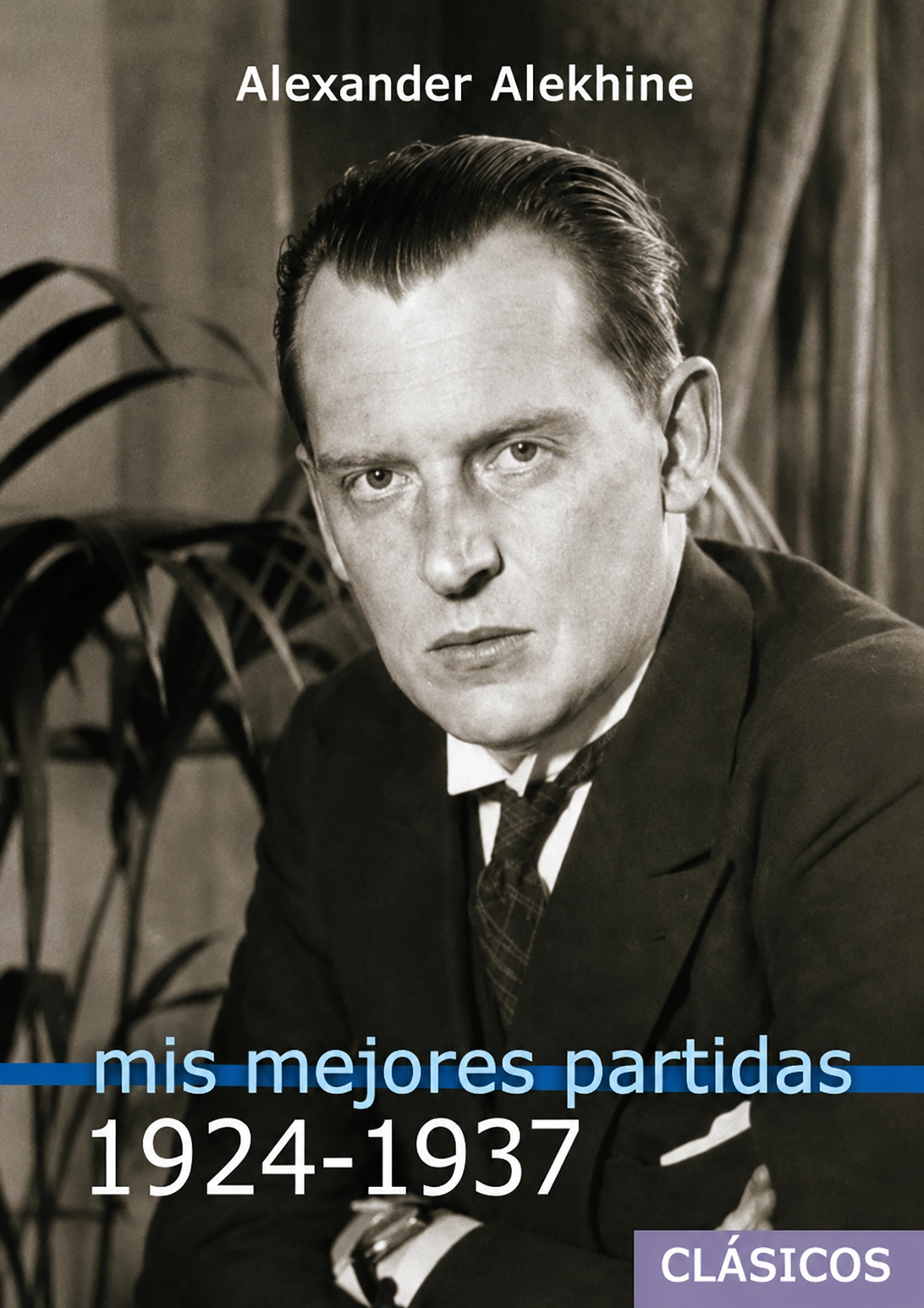
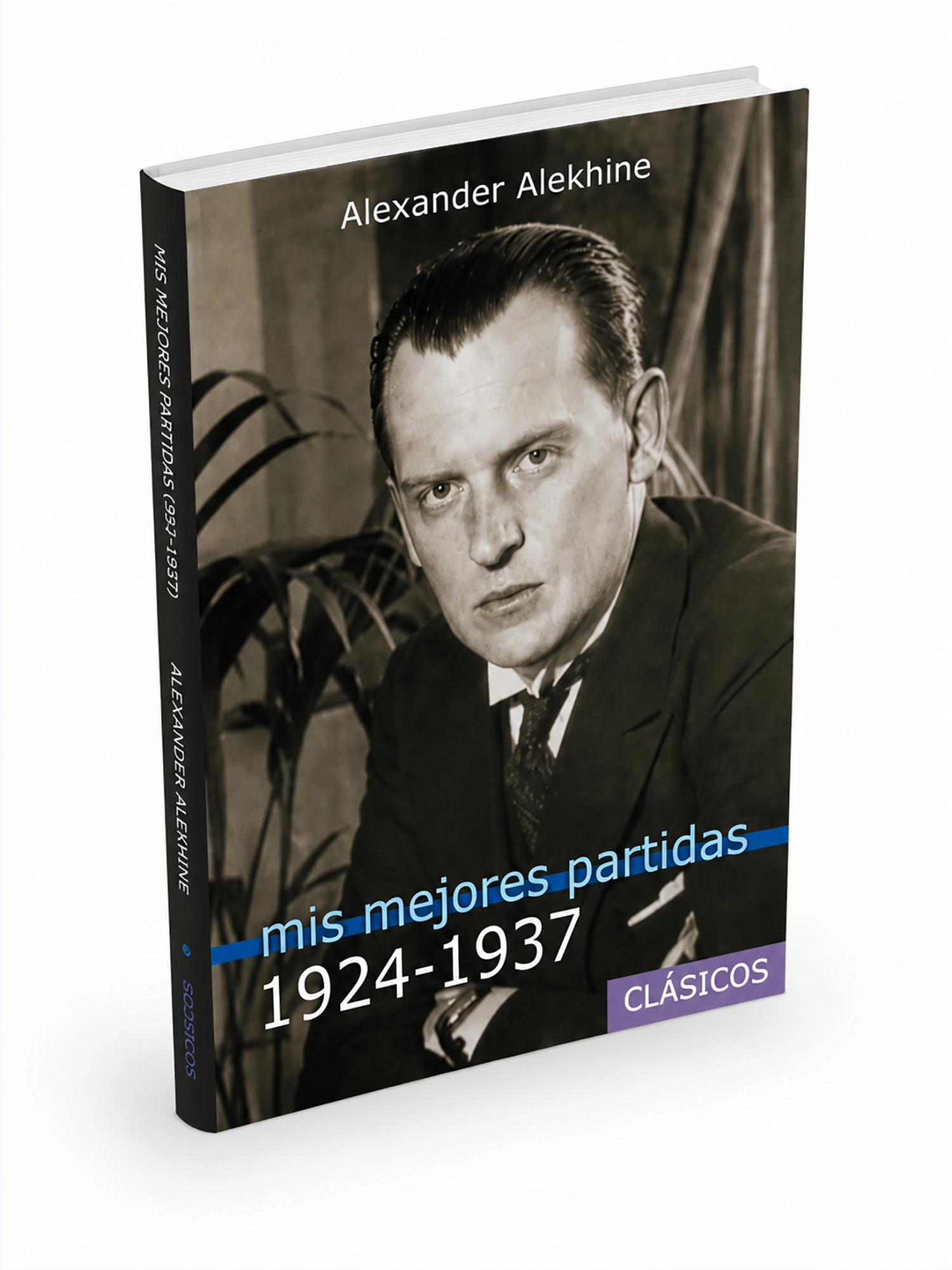
The period 1924-1937 is the pinnacle of Alekhine’s career. It includes his victory over Capablanca in the 1927 Buenos Aires match — one of the great milestones in chess history, where the favourite lost to the challenger in a match that lasted 34 games — and his loss and recovery of the title against Max Euwe in 1935 and 1937. These are the years where Alekhine’s style reaches its fullest expression: tactical complexity combined with deep strategic preparation that anticipated modern chess.
The games in this volume are also the most studied of his career. His annotations on the Capablanca match are especially valuable: Alekhine explains what he specifically prepared for each game, how he studied Capablanca’s style and why he chose the openings he did. It’s a level of analytical transparency that modern books rarely achieve.
🎯 Who is this book for?
- Advanced players who want to study elite chess in the context of the World Championship
- Chess history fans who want to understand the great historical matches from the inside, with the protagonist’s annotations
- Players who want to develop their understanding of opening preparation as a strategic tool
📖 Contents
The book covers the period 1924-1937 with the most important games of Alekhine’s career as champion:
- Games from the match with Capablanca, Buenos Aires 1927 (conquest of the world title)
- Games from the major tournaments as champion: San Remo 1930, Bled 1931 and others
- Games from the match with Euwe, 1935 (title loss)
- Games from the return match with Euwe, 1937 (title recovery)
- Alekhine’s own analytical annotations on the most important moments
📚 The match with Capablanca: the volume’s core
The Alekhine-Capablanca 1927 match is the most studied in all World Championship history alongside the Fischer-Spassky 1972 match. Alekhine won 6-3 with 25 draws in 34 games. His annotations about that match are the most extensive and detailed in the book: he explains the specific preparation for Capablanca, the general plans he had for each type of position and the moments where the game hung in the balance. It’s a unique window into the mind of a champion preparing the most important match of his life.
👤 About the author
Alexander Alekhine (1892-1946) was world chess champion in two periods (1927-1935 and 1937-1946). He is considered one of the most creative players in history and one of the finest chess writers of his generation.
♟️ Why we recommend it at Chesscul
At Chesscul we recommend this second volume as one of the most instructive annotated game books in the catalogue. The games from the Capablanca match show two radically different styles clashing at the highest level: Capablanca’s positional clarity against Alekhine’s dynamic complexity. Studying them with the winner’s annotations is an unequalled learning experience in classical chess literature.
🔗 Recommended companions
- My Best Games (1908-1923): the first volume, with the formation games that show how Alekhine developed the style fully deployed in this volume.
- The Best of Capablanca, Volume II: the perspective of the other protagonist of the 1927 match — the perfect counterpoint to this volume.
- Secrets of Chess Transformations: Marovic analyses the transformation mechanisms that Alekhine applied with mastery in this period.






Reviews
There are no reviews yet