Description
♟️ What is this book about?
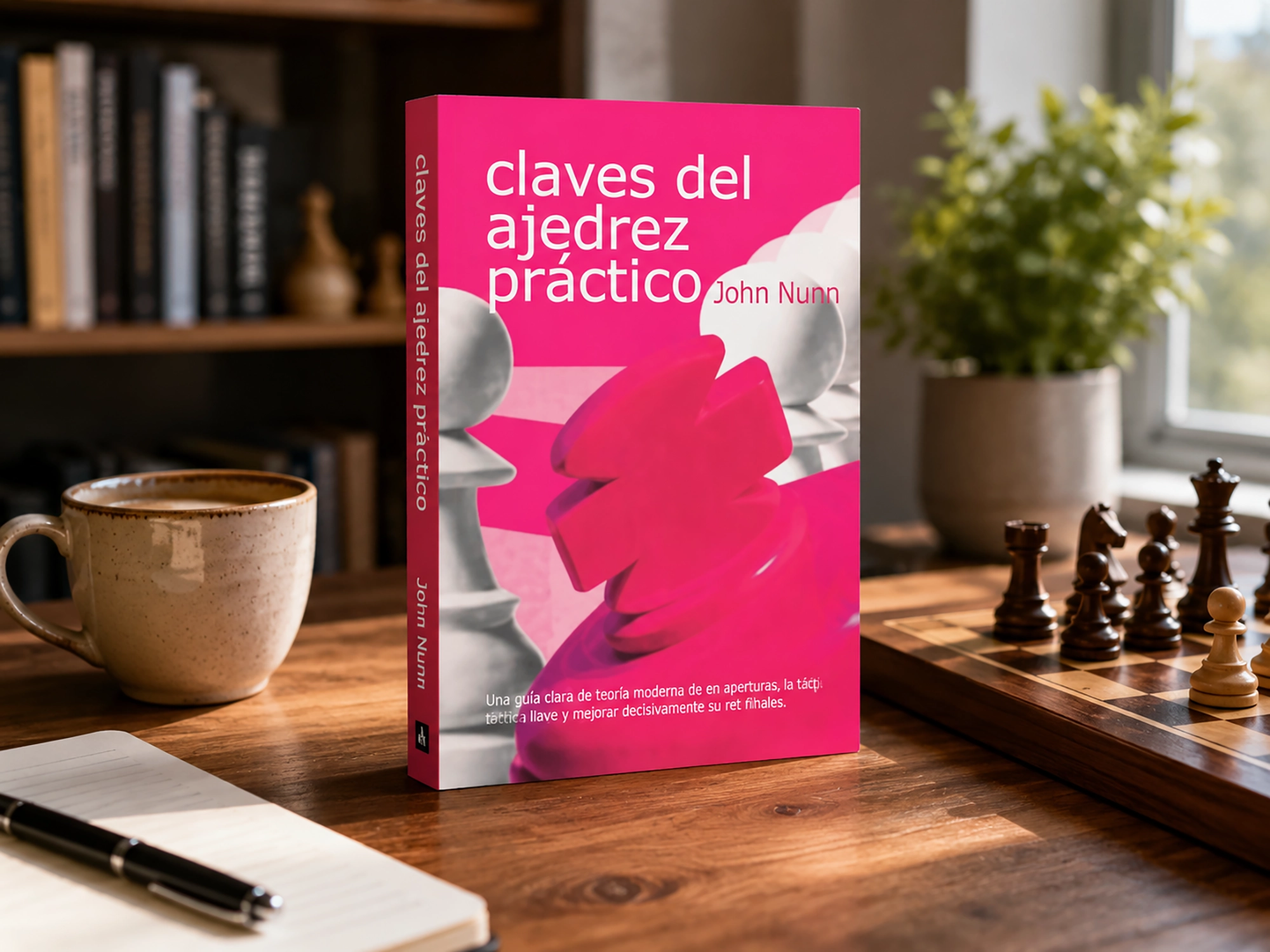
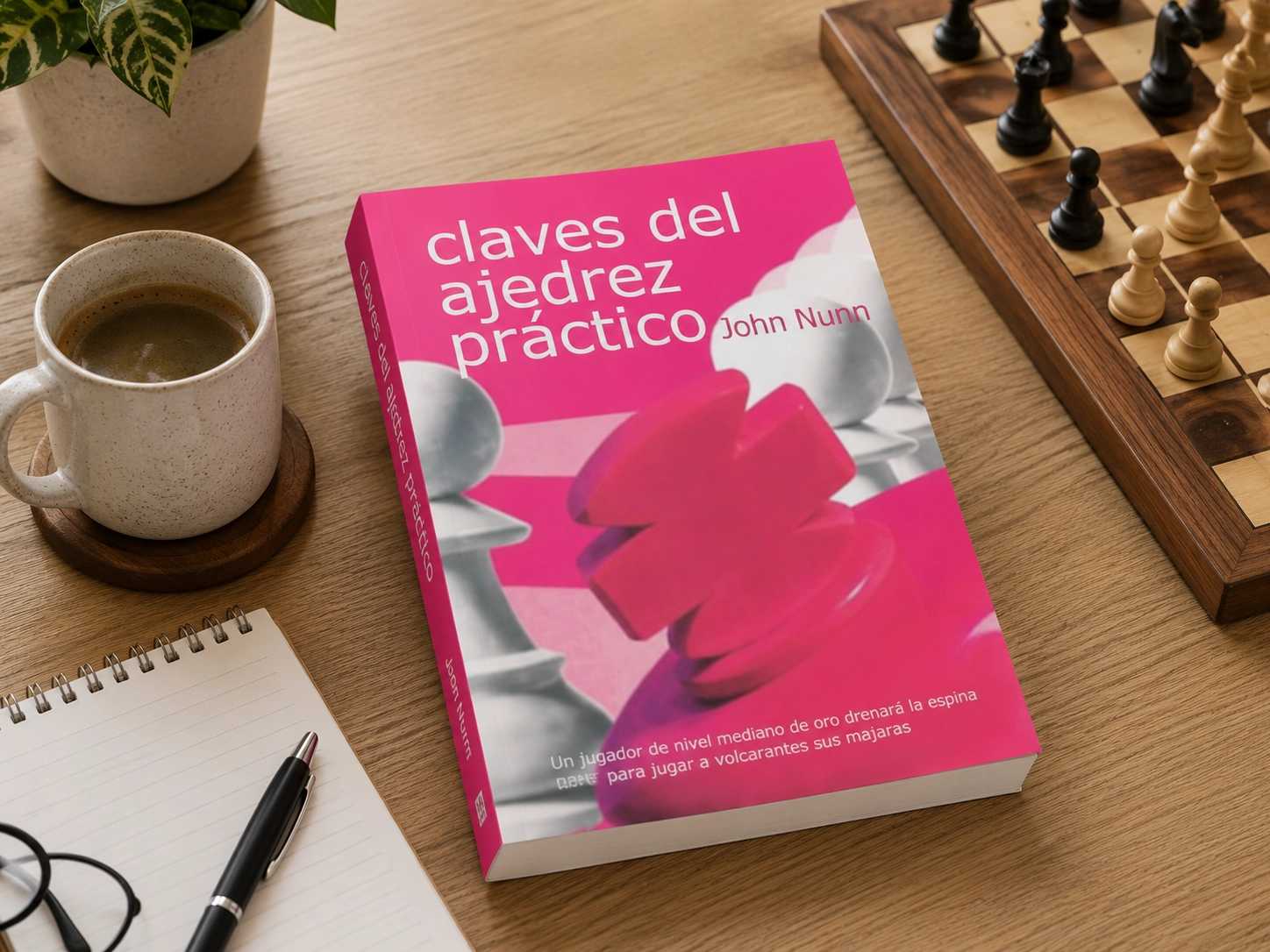
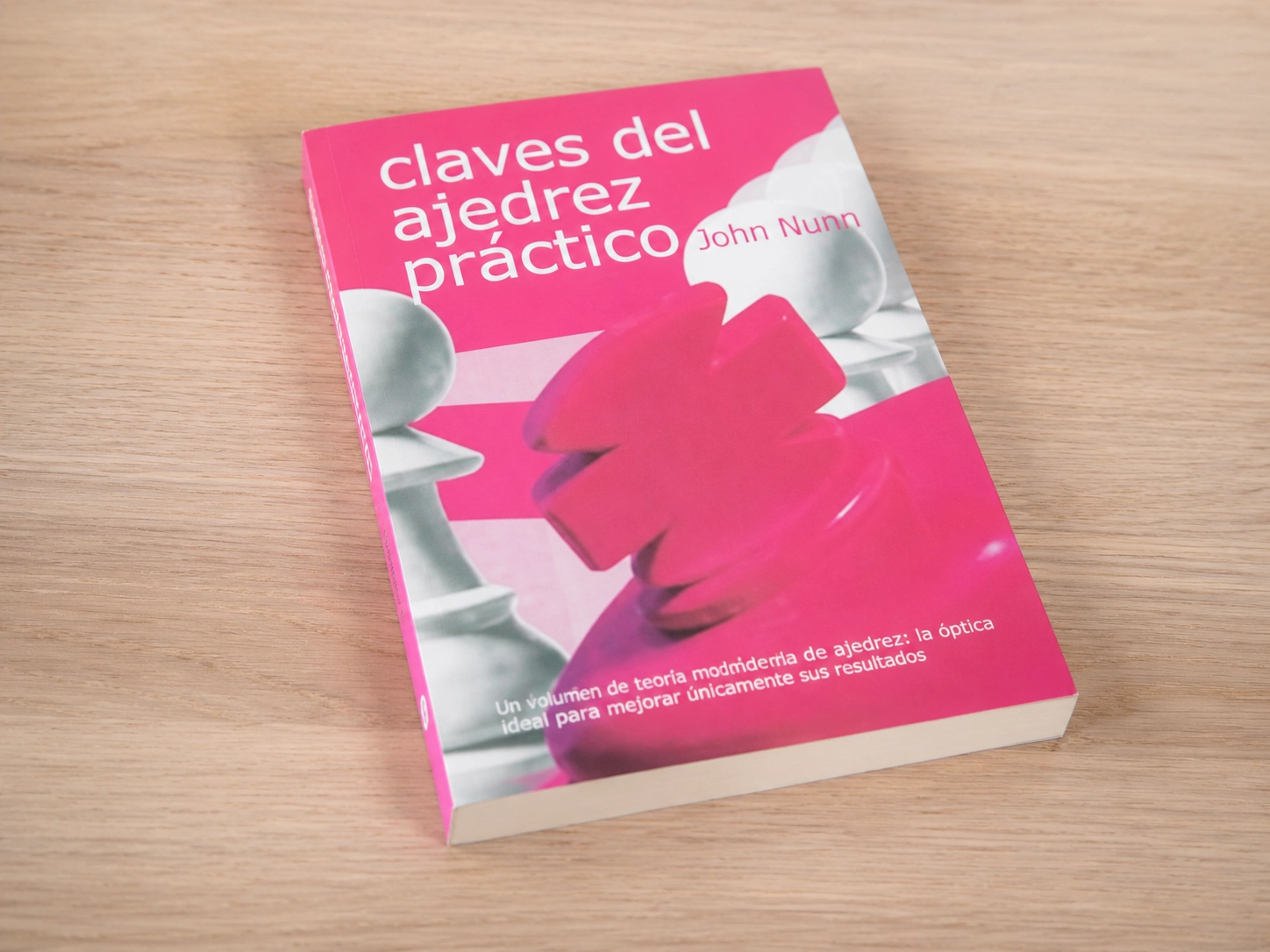
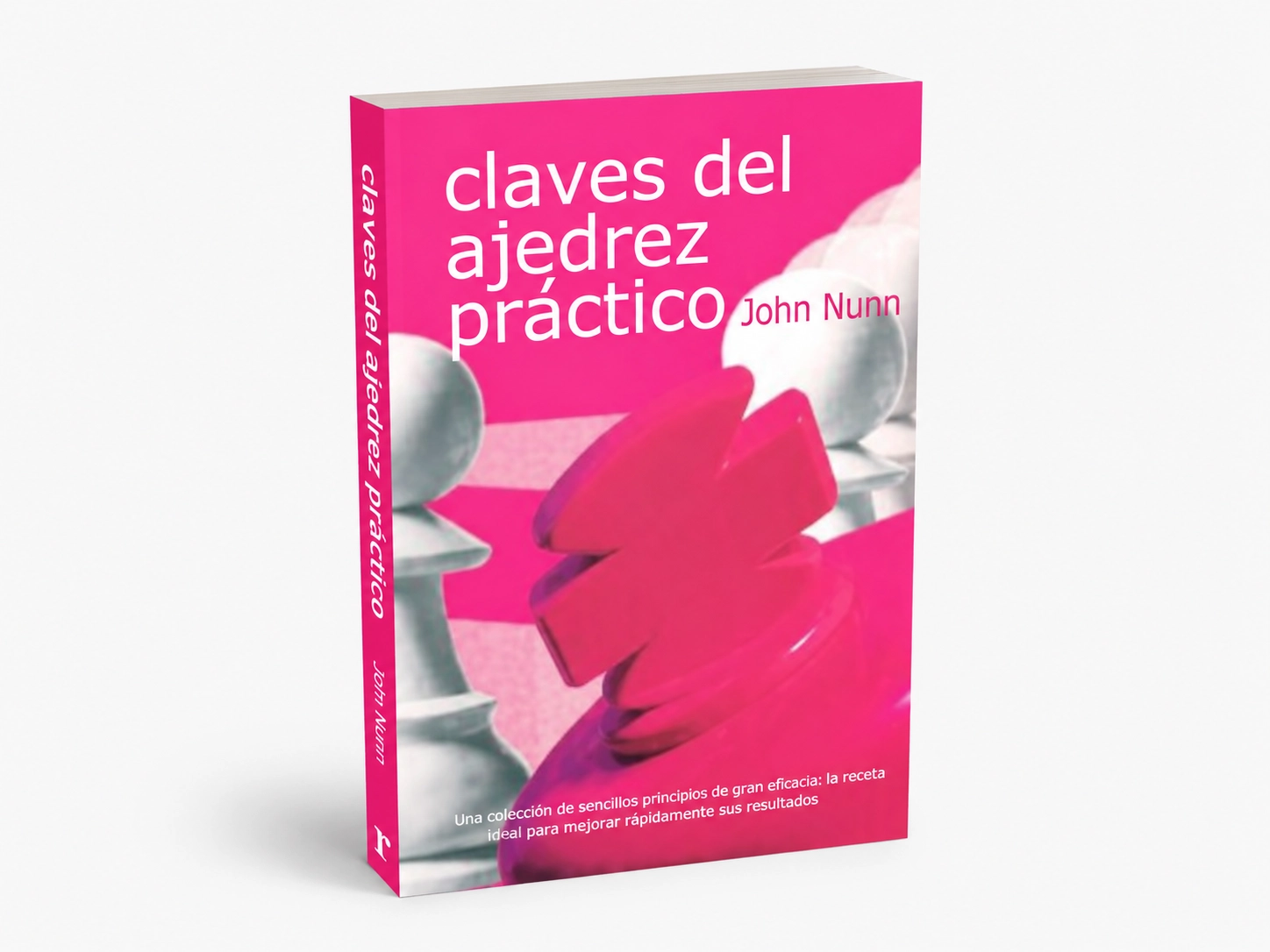
John Nunn is one of the most intellectually honest writers in chess. This is his practical guide to what actually helps chess players get better — based on his experience as one of the top 10 players in the world during the 1980s and on his careful observation of what distinguishes stronger players from weaker ones at every level.
The book covers the full range of competitive chess skills with a consistent emphasis on practicality: not what’s theoretically correct, but what actually produces better results for a player spending limited time on improvement.
🎯 Who is this book for?
- Intermediate players who want honest, practical advice on how to improve — not just more material to study
- Adult improvers with limited study time who want to know what to prioritize
- Players who feel they know a lot of chess but don’t perform well in competitive games
📖 What’s inside
- Thinking at the board: how to approach positions during a real game, what to calculate, and when to trust your intuition
- Opening preparation: how much to study openings, what to prioritize, and how to handle positions where preparation runs out
- Middlegame decisions: practical advice on the most common types of strategic decisions
- Endgame technique: what endgame knowledge matters most in practice and how to develop it
- Using computers: how to use computer analysis productively without becoming dependent on it
- Chess literature: how to choose and use chess books effectively
📚 Why Nunn’s practical focus matters
Most chess books are written by grandmasters whose intuitions about what matters for improvement are based on their own experience at the elite level. Nunn is unusual in that he has thought carefully about what club and intermediate players actually need, and his advice reflects that thinking.
♟️ Why we recommend it at Chesscul
At Chesscul we recommend this book to intermediate students who want practical guidance on how to use their study time more effectively.
🔗 Recommended to pair with
- Chess for Zebras: Rowson’s complementary perspective on the psychological dimensions of improvement.







Reviews
There are no reviews yet