Description
♟️ What is this book about?
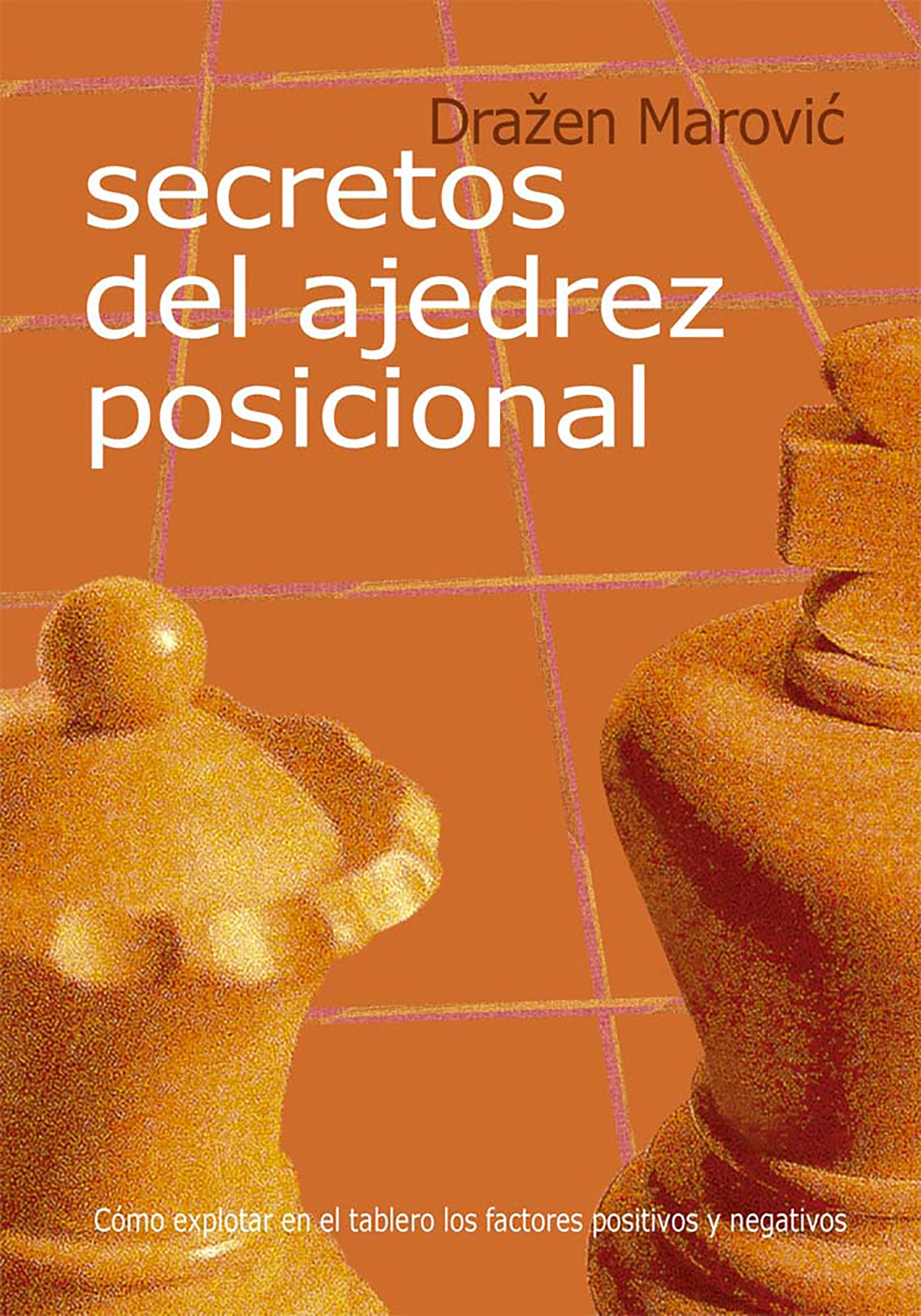
Positional chess is fundamentally about identifying strengths and weaknesses — in your own position and your opponent’s — and building a plan that exploits yours while neutralizing theirs. This book provides a systematic training program for developing exactly that skill: identifying the relevant positional factors, evaluating their significance, and finding the plan that makes the best use of your advantages.
🎯 Who is this book for?
- Intermediate players who understand general positional principles but struggle to identify the relevant factors in specific positions
- Club players who make strategic plans that are correct in general but wrong for the position in front of them
- Coaches who want structured positional training material for intermediate students
📖 What’s inside
- Squares: strong and weak squares, outposts, holes, and how to exploit them
- Files: open and half-open files, how to control them, and how to use that control
- Diagonals: long diagonals, diagonal pressure, and how to exploit or neutralize it
- Minor piece imbalances: evaluating bishop vs. knight in specific positions
- Advanced outposts: how to establish pieces on advanced outposts and exploit them strategically
Each section includes exercises with positions from real games and detailed solutions that explain the evaluation process.
📚 The active approach: why exercises beat explanations
Positional evaluation is a skill that develops through active practice, not passive reading. Working through exercises where you have to make positional judgments — and then checking against the solution — builds the specific pattern recognition that makes positional play automatic.
♟️ Why we recommend it at Chesscul
At Chesscul we recommend this book to intermediate students who have read positional chess books but feel their understanding hasn’t translated into better practical results.
🔗 Recommended to pair with
- Chess Structures: Flores Ríos provides the structural context that determines when many of these positional features are important.
- How to Reassess Your Chess: Silman’s framework for identifying imbalances, which complements the positional evaluation approach of this book.






Reviews
There are no reviews yet