Description
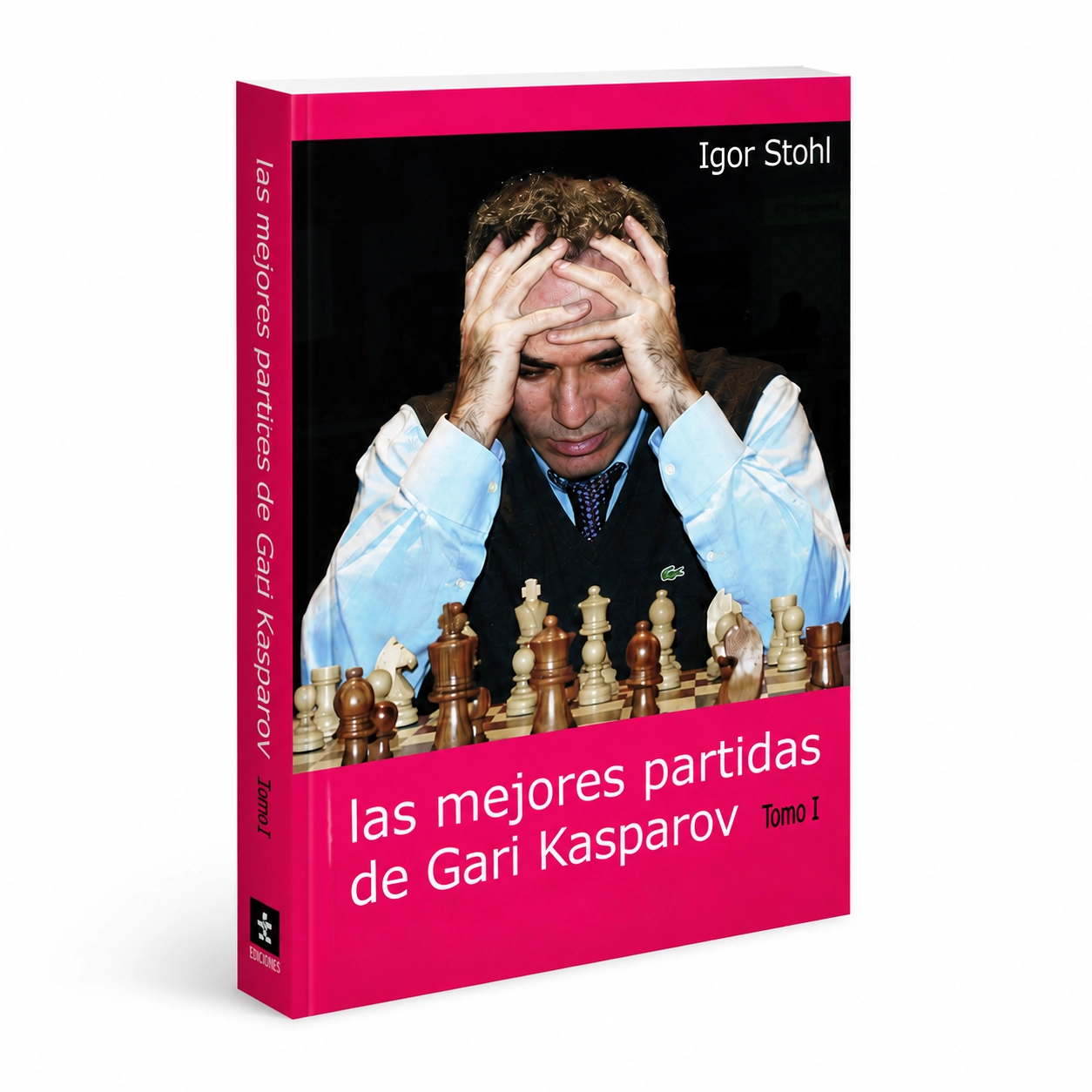
♟️ Why Kasparov and why Stohl?
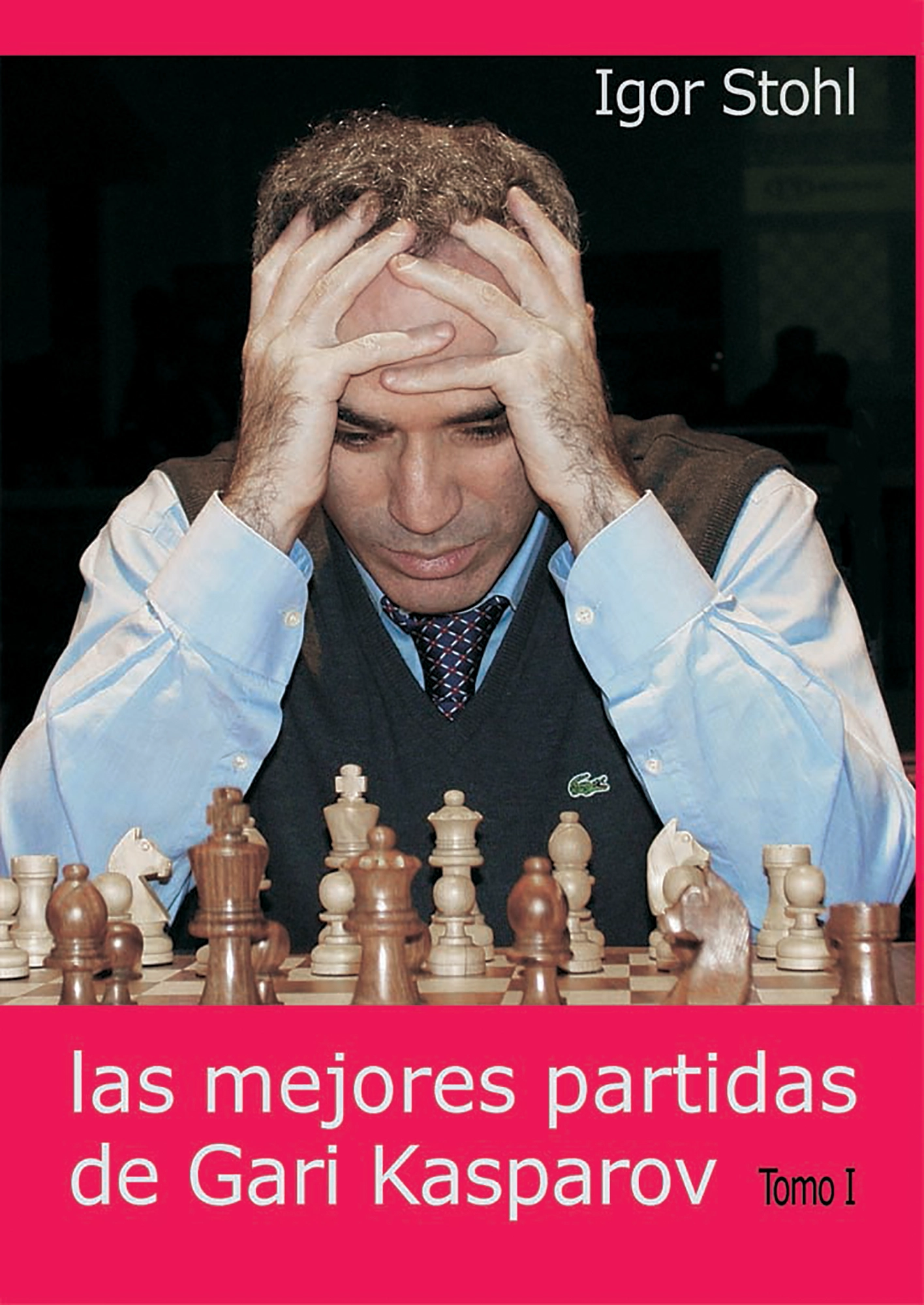
Garry Kasparov was the most dominant chess player in history. He was world number 1 for over 20 consecutive years, between 1984 and 2005, and shaped modern chess in a way no other player has replicated. His style combined unprecedented opening preparation — he was the first player to systematically use computers for preparation — with deep calculation, extraordinary competitive energy and an ability to create imbalances from positions that appeared level.
Stohl is the ideal choice to annotate Kasparov’s games because he’s not a fanatic who sees only brilliance: he’s a Grandmaster who analyses with rigour, points out Kasparov’s mistakes when they exist and explains the alternatives Kasparov rejected. That objectivity makes the book a genuine learning tool rather than simply a celebration of the champion.
🎯 Who is this book for?
- Advanced players who want to understand modern chess by studying the player who influenced it most
- Players who want to study the openings Kasparov popularised: Sicilian, King’s Indian, Grünfeld, Ruy Lopez
- Coaches looking for modern elite annotated game material for advanced students
📖 Contents
The book covers the period 1973-1993 with the games Stohl considered most representative and instructive of Kasparov’s career:
- Kasparov’s first elite games (1973-1980): how a champion’s style is forged
- The matches with Karpov (1984-1990): the most important series of games in modern chess
- The major tournaments of the period: Tilburg, Linares, Wijk aan Zee, Reykjavik
- Analysis of the most representative openings: Sicilian Najdorf, King’s Indian, Grünfeld, Ruy Lopez
- Critical moments with concrete variations and explanation of alternatives Kasparov rejected
The Kasparov-Karpov matches are the core of the volume: five matches between 1984 and 1990, with over 120 games played, representing the longest and most intense rivalry in World Championship history. Stohl selects the most instructive games and explains them with the necessary context.
📚 Opening preparation as a dynamic tool
One of Kasparov’s most important contributions to modern chess was demonstrating that opening preparation is not just memorisation — it’s a tool for creating specific problems for the opponent in concrete positions. Stohl explains that process in detail: what Kasparov was aiming for with each opening choice and how he designed preparations for each opponent’s specific weaknesses.
👤 About the author
Igor Stohl is a Slovak Grandmaster and one of the most rigorous analysts of his generation, having studied Kasparov’s style in depth over many years. Translated into Spanish by Antonio Gude.
♟️ Why we recommend it at Chesscul
At Chesscul we recommend this book to advanced students who want to understand modern chess from its foundations. Kasparov’s games are the best available laboratory for studying opening preparation, converting initiative into pressure and playing dynamic positions.
🔗 Recommended companions
- The Best Games of Kasparov, Volume II: the second volume, with games from 1994-2005, the final stage of his domination.
- Judit Polgár: Queens’ Play: Judit’s games against Kasparov from her perspective — the perfect counterpoint.
- Decision-Making in Major Piece Endgames: Boris Gelfand, one of Kasparov’s rivals, analyses the decision process in complex endgames with the same depth.



Reviews
There are no reviews yet