Description
♟️ Why is Tarrasch still relevant?
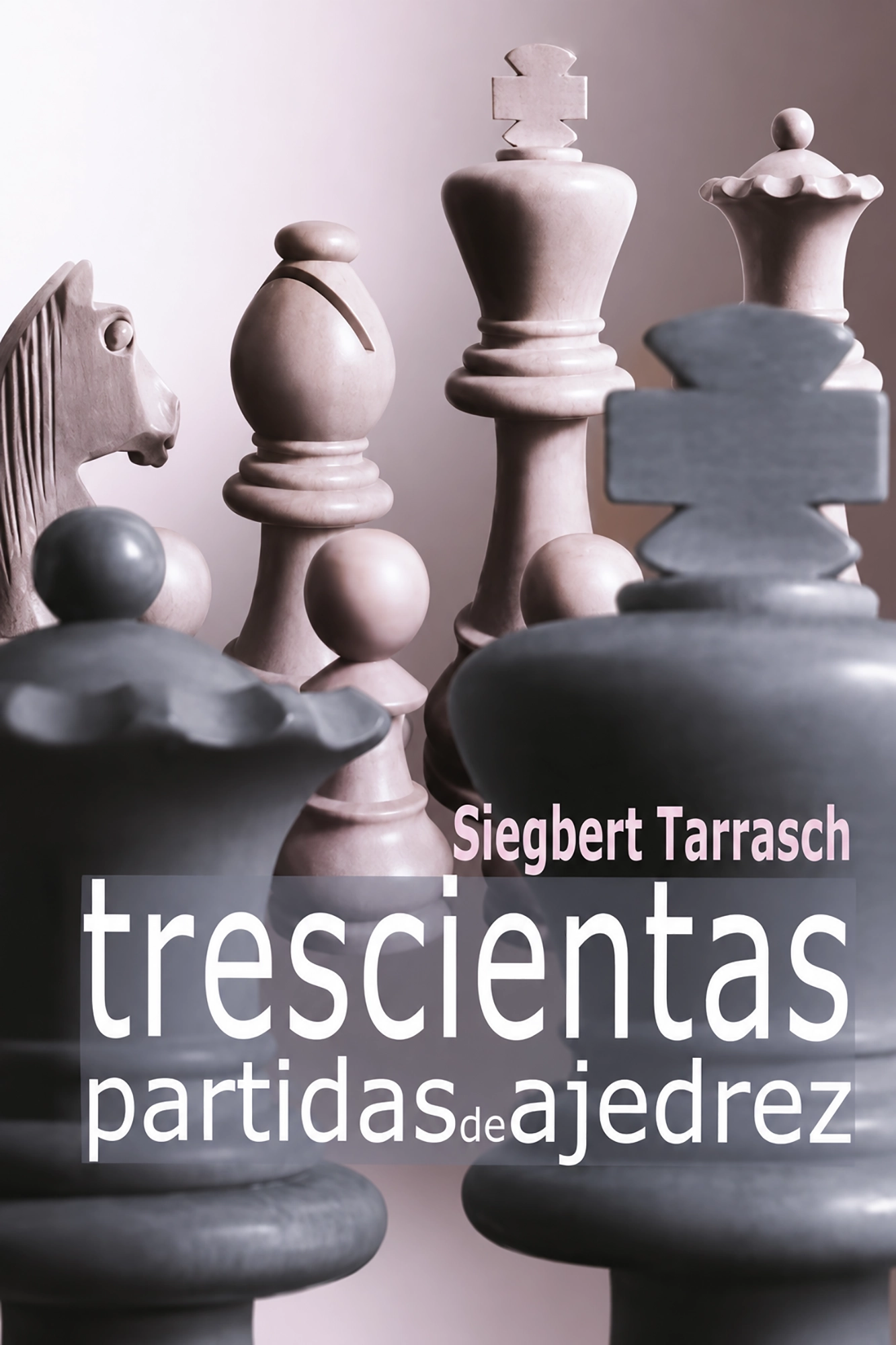
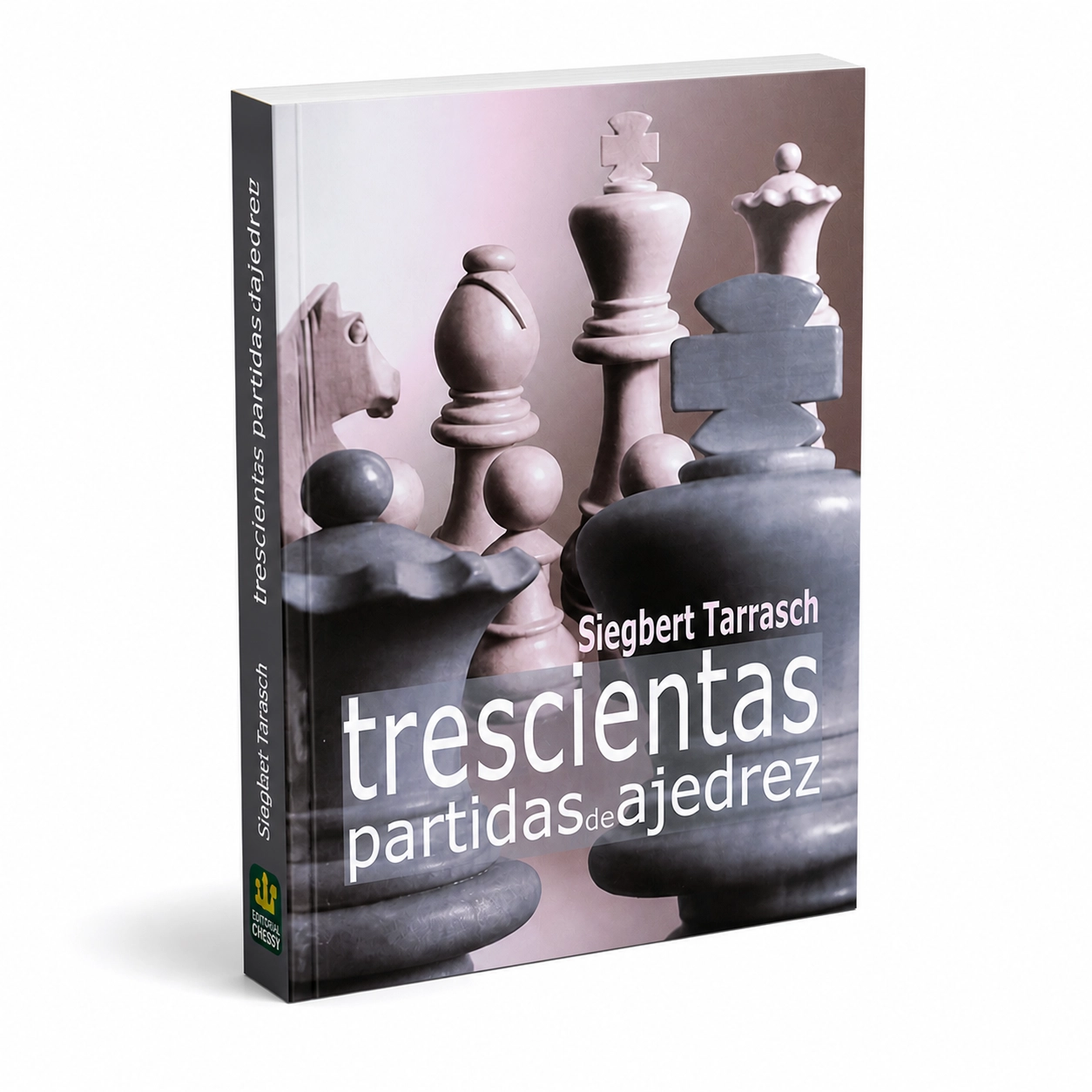
Siegbert Tarrasch was the greatest pedagogue of classical chess. Before Tarrasch, chess was taught mainly through collections of brilliancies and tactical tricks. Tarrasch was the first to formulate clearly the principles that govern positional play: rapid development, central control, piece activity, coordination, pawn structure. These principles remain the foundation of any serious chess teaching — a century after he wrote them.
The 300 games in this book are not just a historical collection: they are the 300 clearest examples Tarrasch found to illustrate those principles. Each game is selected and annotated with the goal of teaching something concrete, not just showing a brilliant victory.
🎯 Who is this book for?
- Intermediate players who want to study classical positional chess from the games that defined it
- Chess fans who want to understand why the opening principles taught today are what they are
- Coaches looking for classical game material to illustrate positional concepts with intermediate students
📖 Contents
The book presents 300 games in chronological order, from Tarrasch’s first important games to the last of his career:
- Games from the major 19th-century tournaments: Breslau, Nuremberg, Leipzig, Manchester and others
- His match with Chigorin (1893) and his match with Lasker (1908)
- Games from the major international tournaments of the early 20th century
- Tarrasch’s own annotations on the positional principles illustrated in each game
The chronological ordering allows the reader to see the evolution of Tarrasch’s style and, simultaneously, the evolution of tournament chess from the late 19th century to the early 20th. It’s also a primary historical document: many games were played in tournaments where Steinitz, Lasker, Capablanca and other greats also participated.
📚 Tarrasch’s principles: validity and limits
Tarrasch’s rules — «pieces must be active», «the knight on the rim is dim», «rooks belong on open files» — are general truths with exceptions. Nimzovich himself spent part of his career refuting Tarrasch with hypermodernism. But those exceptions only make sense if you know the principles they contradict. This book is the best place to know them from the inside: not as abstract rules but as concrete decisions in 300 real games. Translated into Spanish by Antonio Gude.
👤 About the author
Siegbert Tarrasch (1862-1934) was one of the world’s best players between 1880 and 1910 and the most influential pedagogue of classical chess. He played a World Championship match against Lasker in 1908. His theoretical works established the positional principles that remain the basis of chess teaching today.
♟️ Why we recommend it at Chesscul
At Chesscul we recommend this book to intermediate students who want to deepen their positional understanding. It’s not a book to read straight through — it’s a book to study game by game, with a board, comparing Tarrasch’s ideas with what the reader would have played. The 300 games provide extensive, varied study covering almost every type of position that can appear in tournament chess.
🔗 Recommended companions
- The Best of Capablanca, Volume I: Capablanca was the direct heir of Tarrasch’s positional style; reading both together shows the evolution of classical chess.
- Endgame Planning I and II: Shereshevsky connects Tarrasch’s positional principles with the typical endgames his preferred openings produce.
- Secrets of Chess Transformations: Marovic analyses the strategic transformation mechanisms that Tarrasch applied with his classical positional style.




Reviews
There are no reviews yet