Description
♟️ What is this book about?
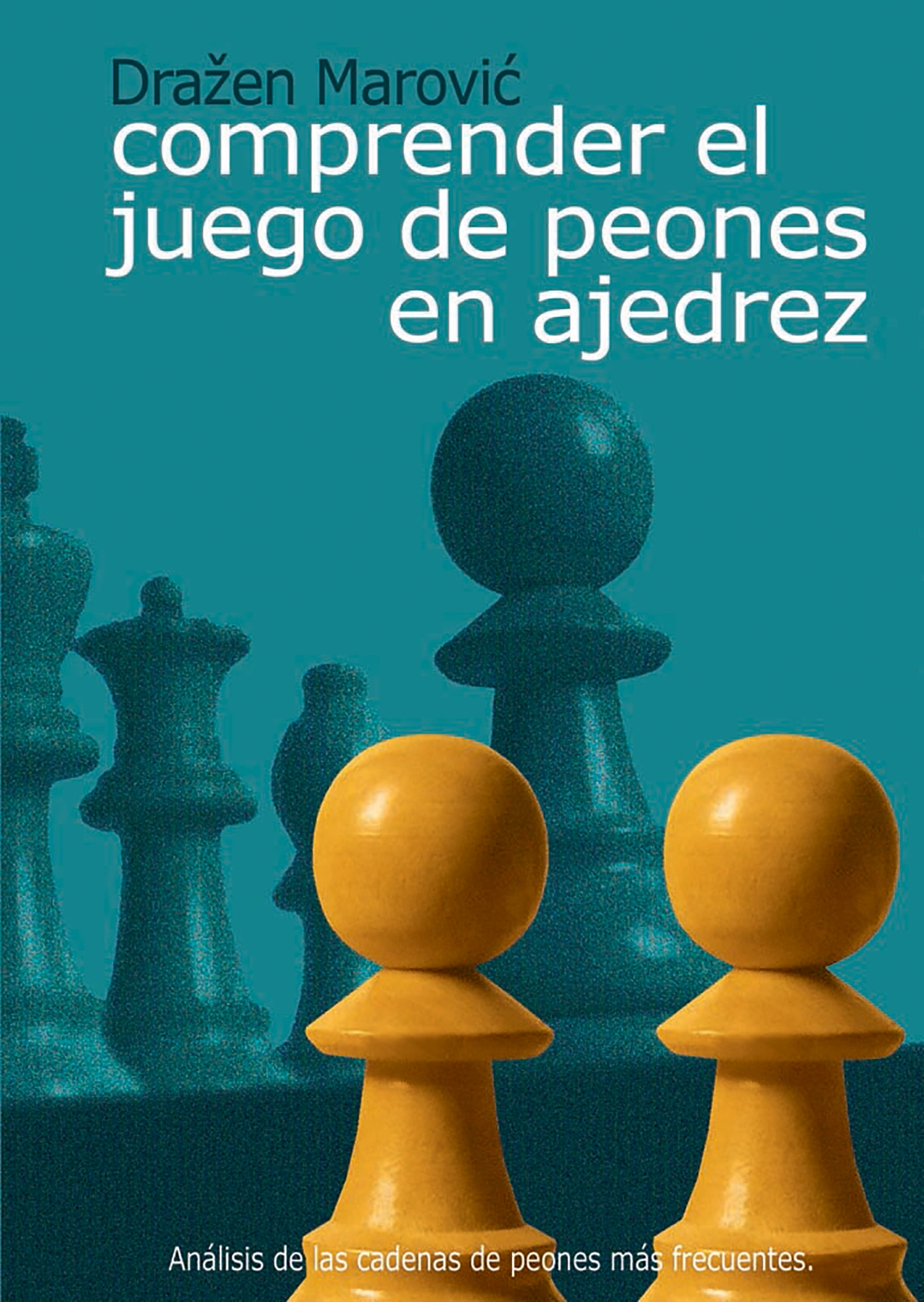
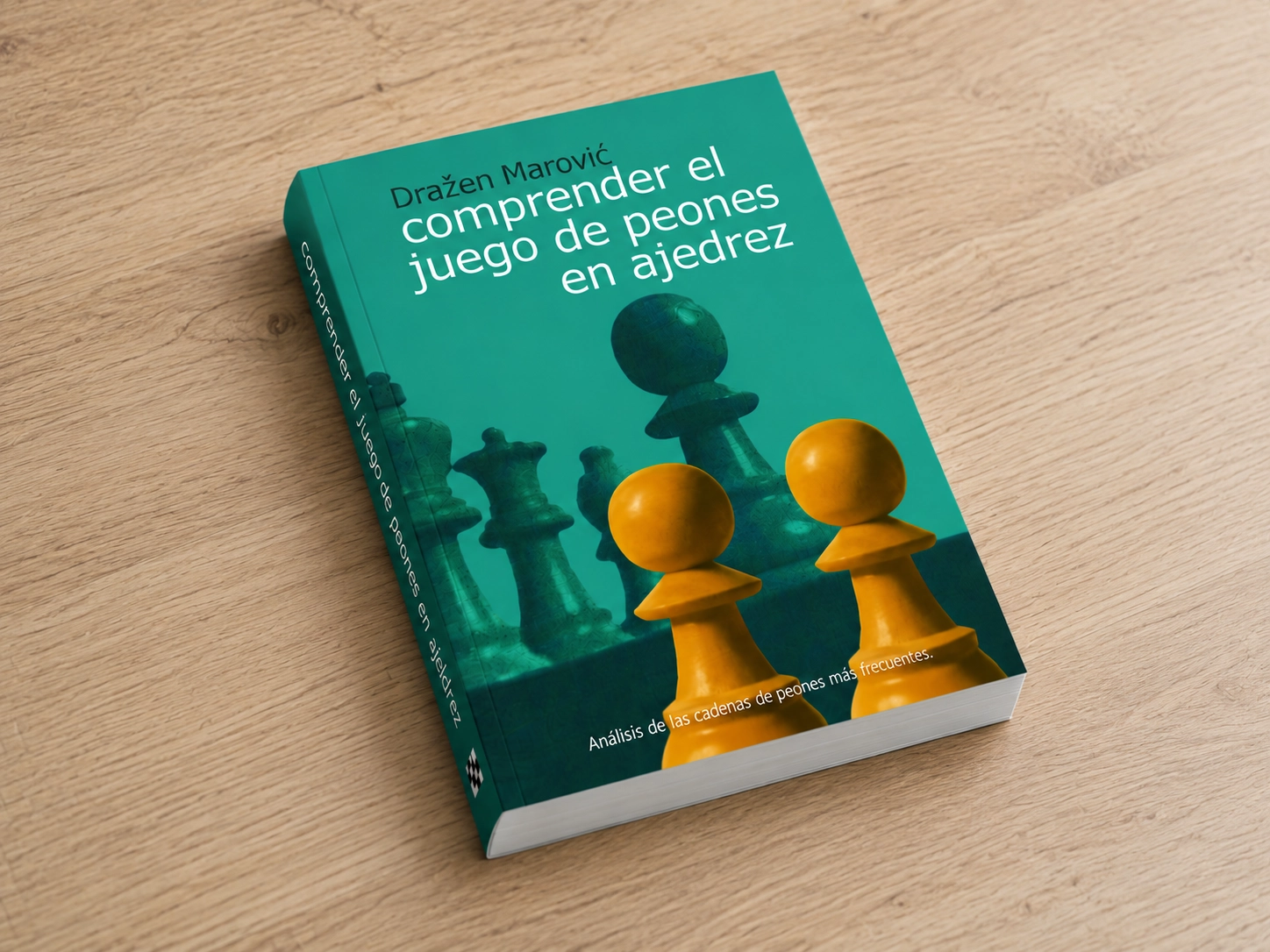
Pawn play is the backbone of chess strategy, and this book provides the most comprehensive treatment of its history and theory available. The book traces pawn strategy from Morphy and the classical era through the hypermodern revolution and into modern grandmaster practice, showing how each era refined and sometimes overturned the understanding of the previous one.
This historical perspective is pedagogically valuable: understanding why certain pawn concepts were developed gives players a much deeper grasp of when to apply them than simply memorizing the principles.
🎯 Who is this book for?
- Intermediate to advanced players who want a principled understanding of pawn play rather than isolated rules
- Players who know the basic pawn principles but don’t understand when they apply and when they don’t
- Coaches who want the historical and theoretical framework for teaching pawn strategy to advanced students
📖 What’s inside
- Classical pawn play: how Morphy, Steinitz, and the classical players understood pawn structure
- The open center: the strategic implications of open central files and how to exploit them
- The closed center: how to handle positions where the center is blocked
- Dynamic pawn play: the modern approach, including pawn sacrifices for initiative
- The isolated queen’s pawn: the most analyzed pawn structure, with plans for both sides
- Minority attacks: the strategic weapon unique to certain queen’s gambit structures
📚 History as pedagogy
When you understand that a pawn principle was developed to address a specific type of position, you’re better equipped to recognize when that position — and therefore that principle — applies in your own games.
♟️ Why we recommend it at Chesscul
At Chesscul we recommend this book to intermediate students who find pawn strategy mysterious. The historical perspective transforms that understanding from rote memory into genuine comprehension.
🔗 Recommended to pair with
- Chess Structures: Flores Ríos provides the structural framework for the pawn families this book analyzes historically.
- My System: Nimzovich’s foundational text provides theoretical context for many pawn concepts traced historically here.








Reviews
There are no reviews yet