Description
♟️ What is this book for?
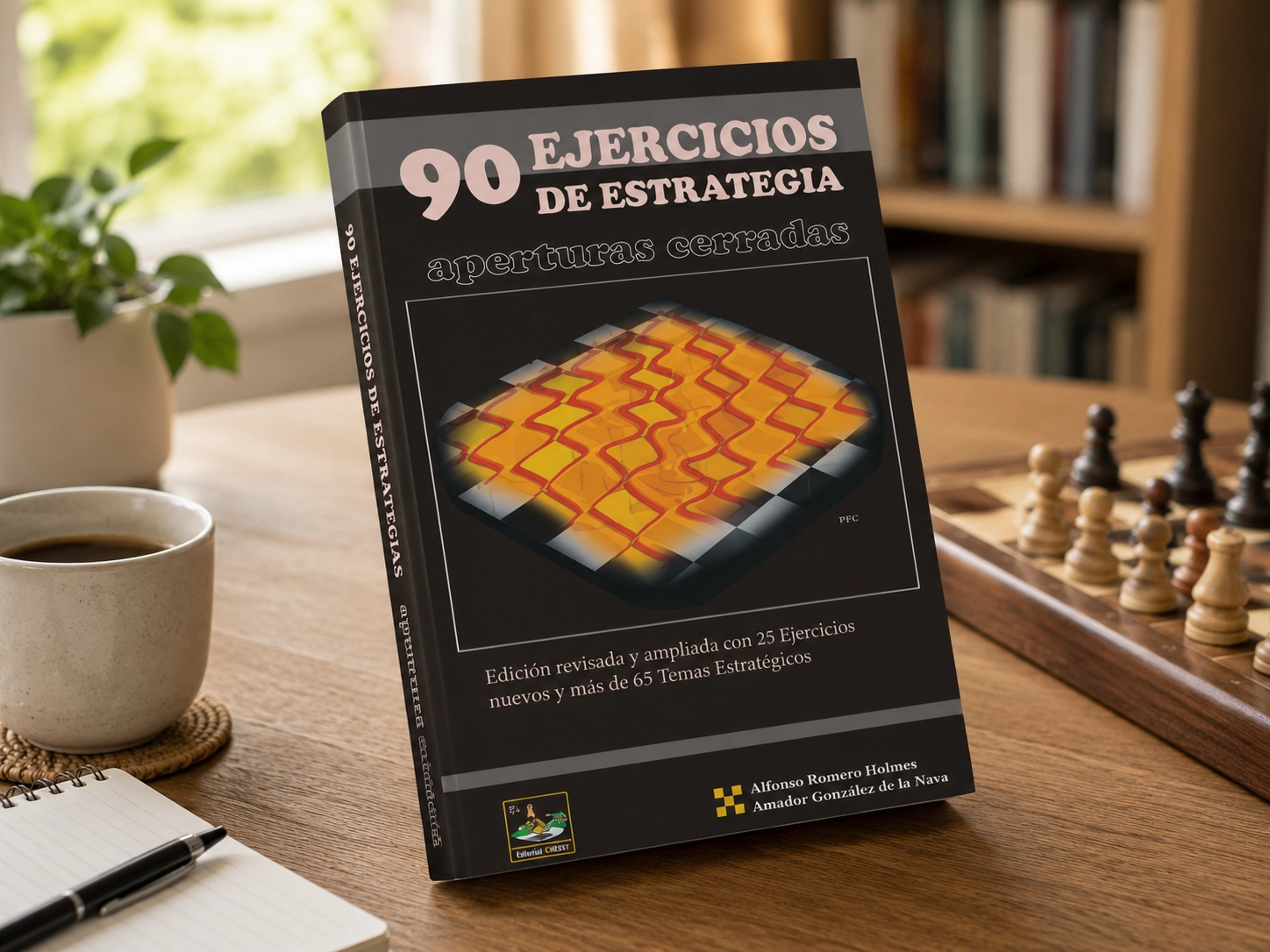
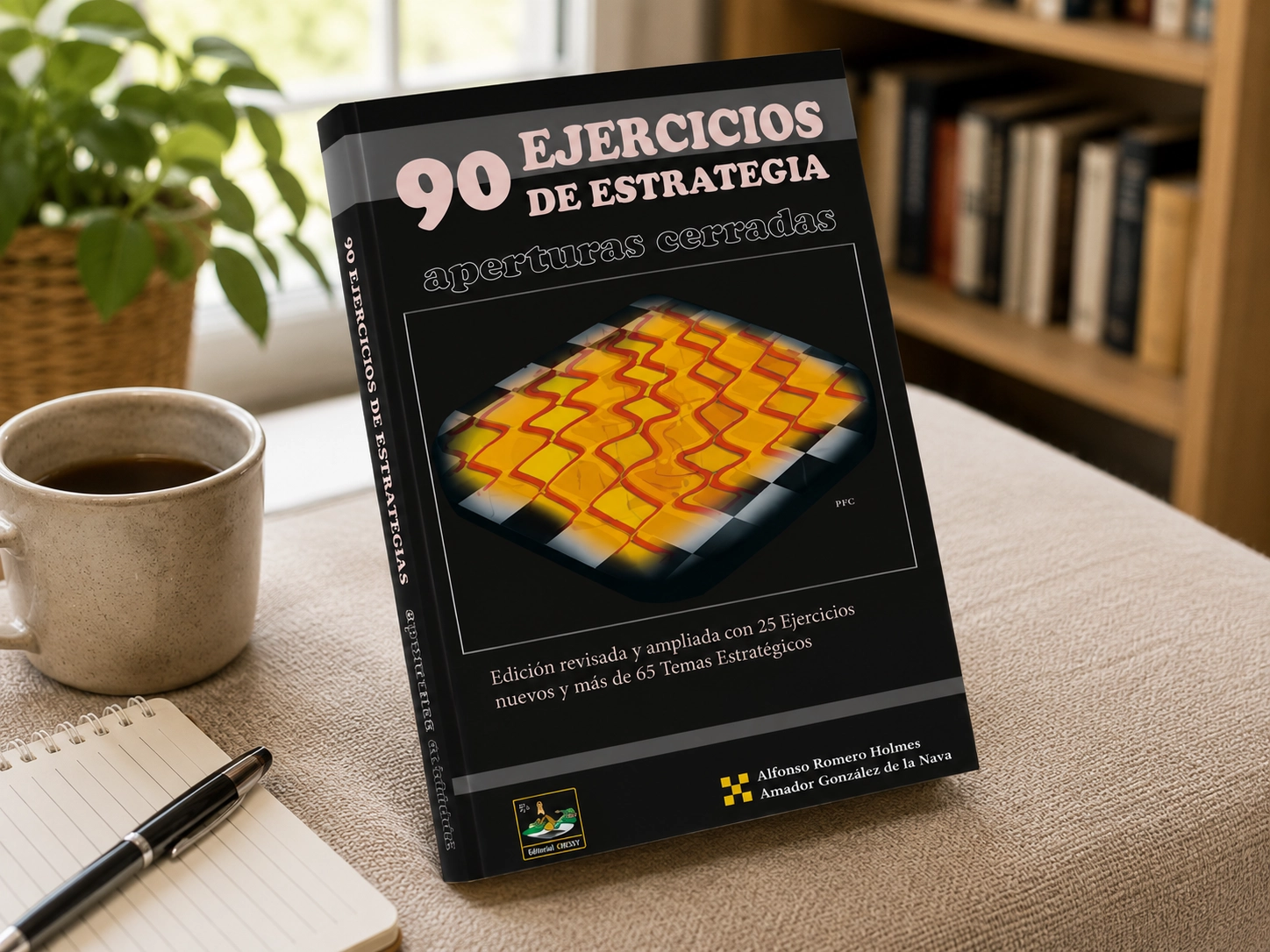
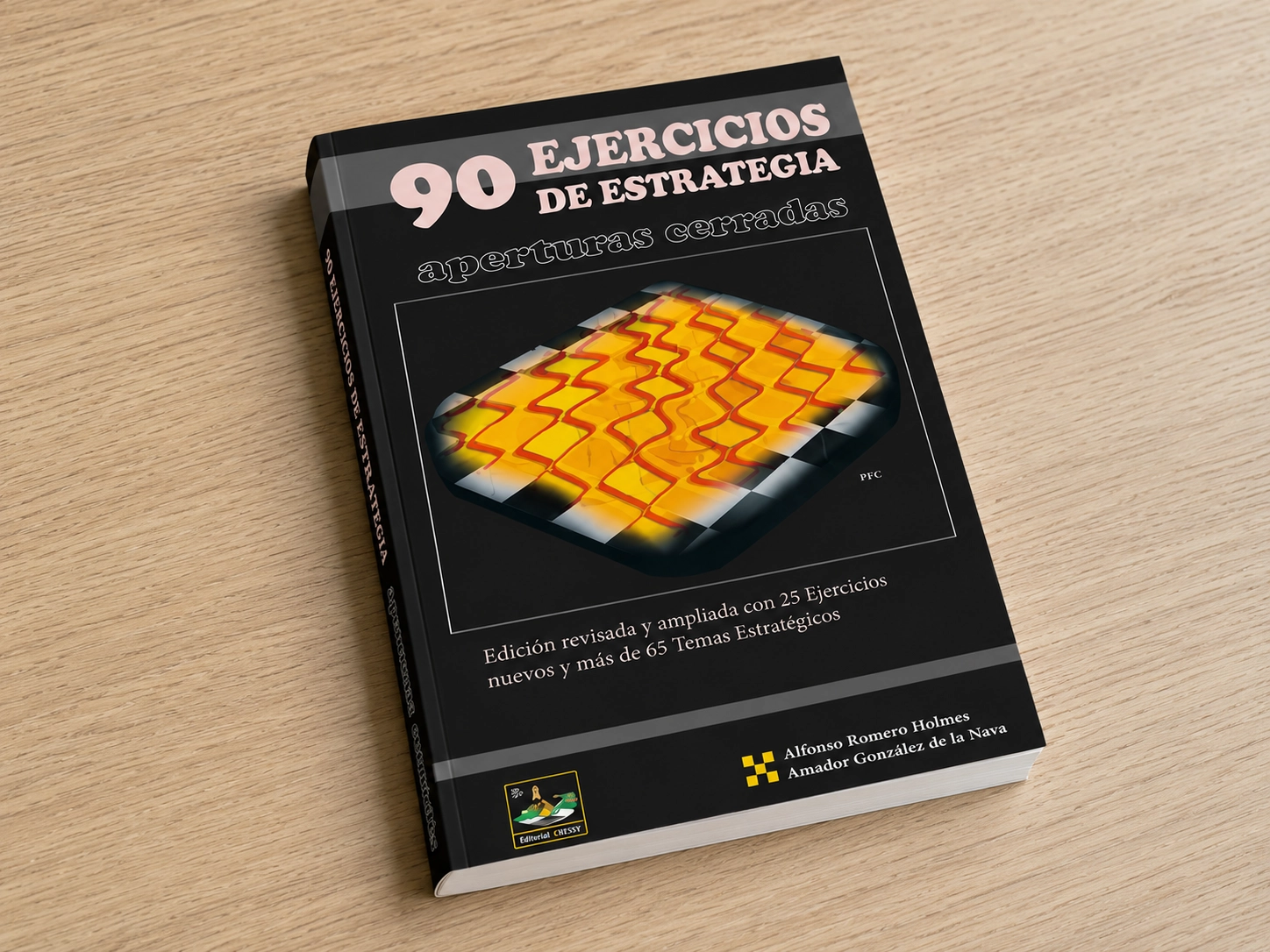
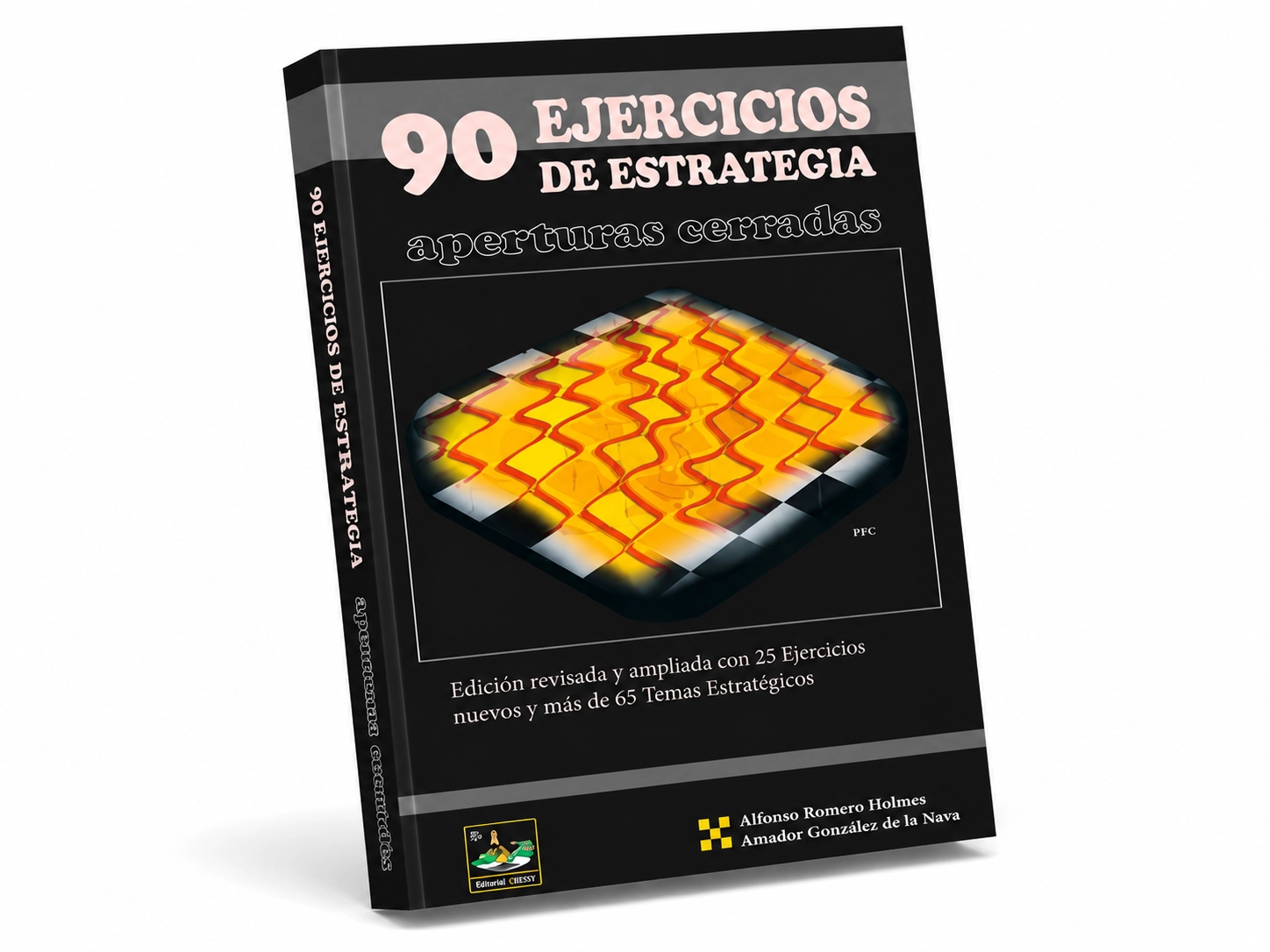
Closed game positions demand a different kind of strategic thinking than open games. Plans unfold over more moves, piece placement matters more than short-term tactics, and the correct plan is often far less obvious. This workbook provides 90 exercises on exactly these positions — arising from the Queen’s Gambit, King’s Indian Defense, Nimzo-Indian, English Opening, and related openings — requiring you to find the correct strategic plan rather than a tactical solution.
🎯 Who is this book for?
- Intermediate players who play closed game openings but struggle with strategic decisions once the opening theory runs out
- Club players who understand tactical patterns well but underperform in slow strategic positions
- Coaches who want practical exercise material on closed game strategic planning for intermediate students
📖 What’s inside
90 exercises organized by opening family and structural theme:
- Queen’s Gambit structures: isolated queen’s pawn positions, exchange variations, semi-open games
- King’s Indian: typical attacking and defensive plans on both wings
- Nimzo-Indian: the strategic consequences of the doubled pawns and bishop-knight imbalance
- English and Réti: flank opening structures and their typical plans
The thematic index allows navigation to specific structural themes. The scoring chart tracks performance across different themes and reveals your specific weaknesses.
📚 Why 90 exercises
The selection provides enough positions in each theme to build genuine pattern recognition, without being repetitive. The authors selected positions where the correct plan is not immediately obvious but can be identified through careful evaluation.
♟️ Why we recommend it at Chesscul
At Chesscul we recommend this book alongside its companion volume on open games to intermediate students who want complete strategic understanding across both types of positions.
🔗 Recommended to pair with
- Strategic Training Vol. 1 (Open Games): the companion volume for open game positions.
- Chess Structures: Flores Ríos provides the structural framework that explains why the plans in these exercises work.




Reviews
There are no reviews yet