Description
♟️ What is this workbook for?
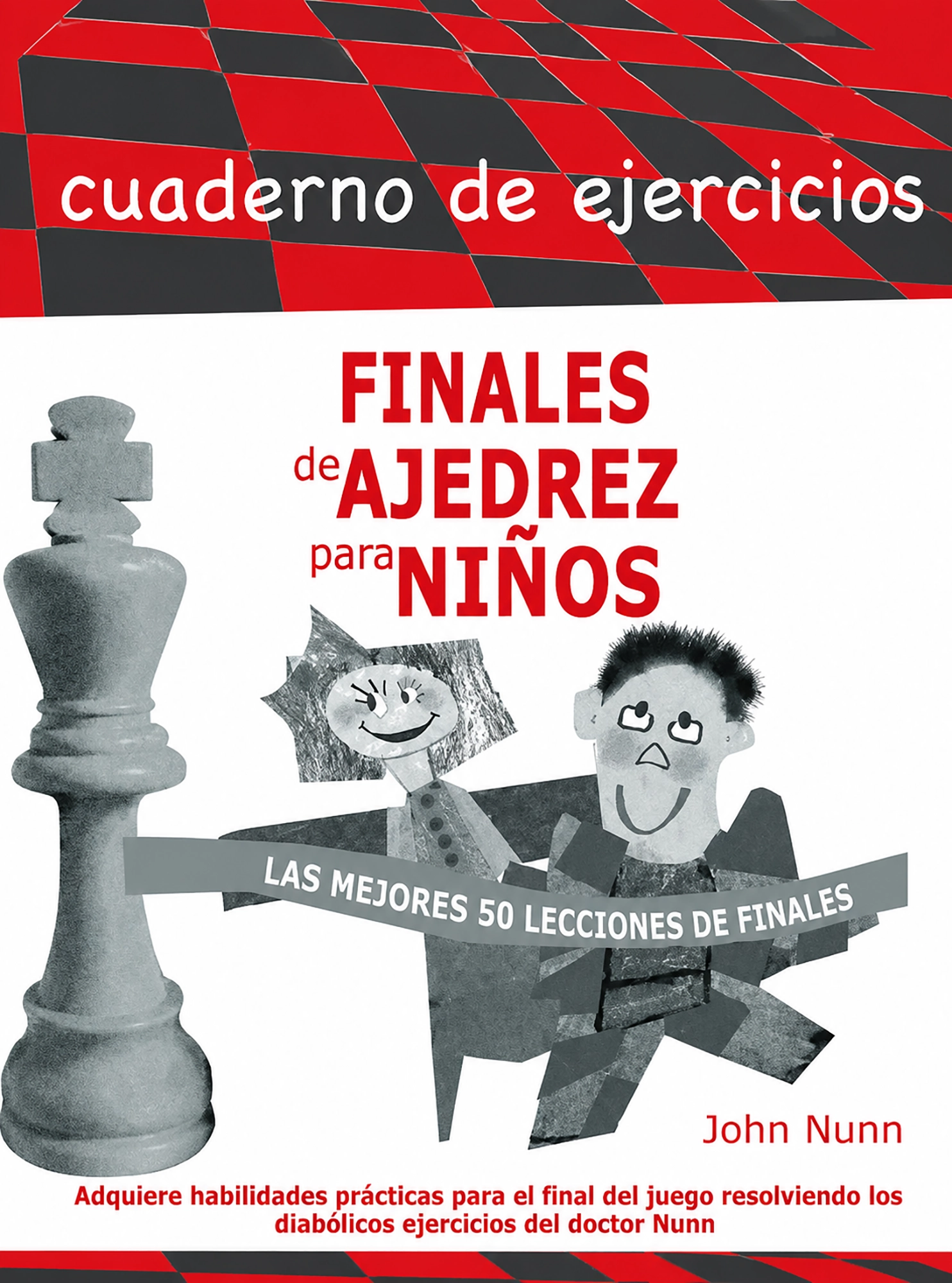
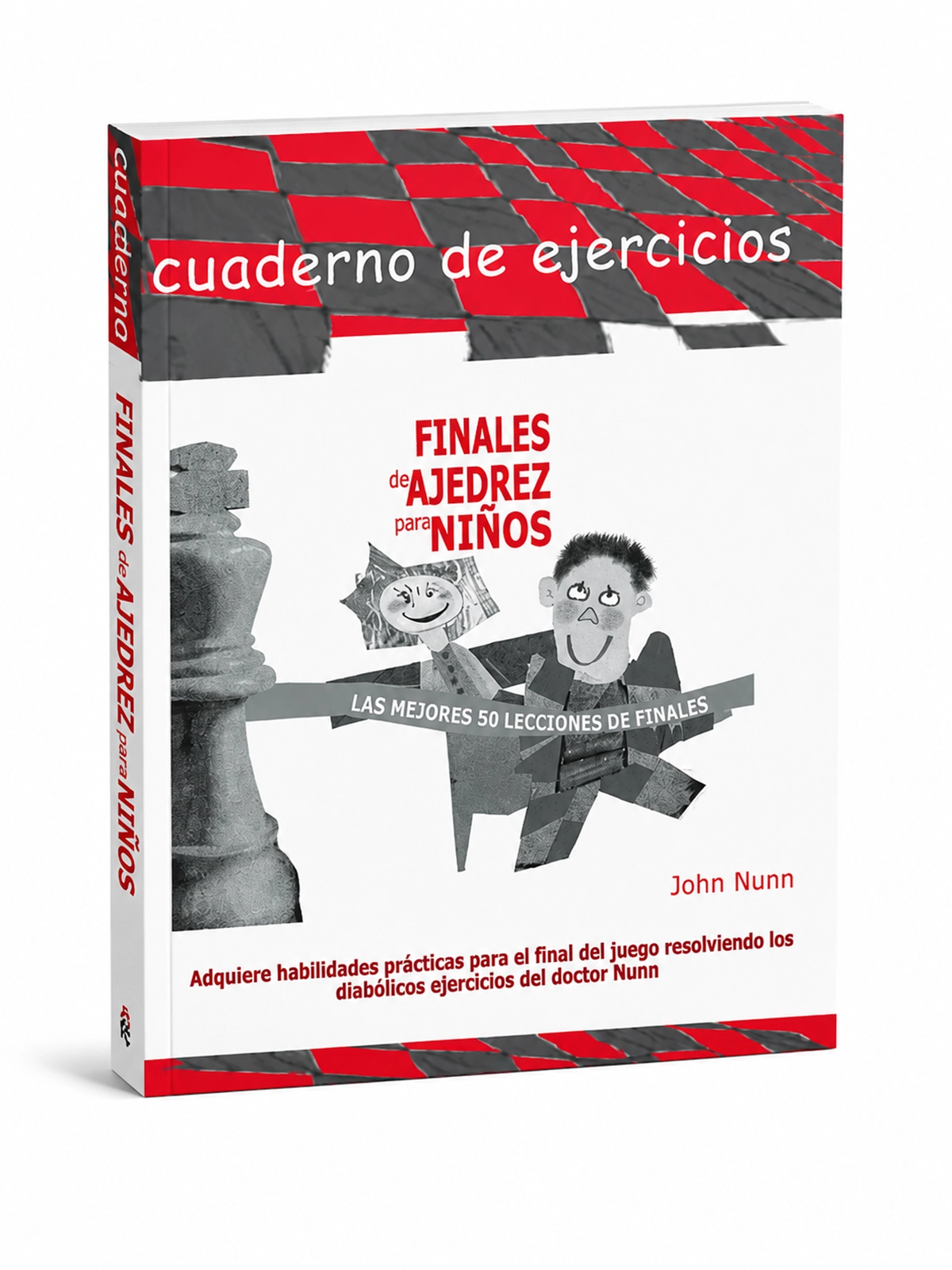
Many games aren’t decided in the opening — they’re decided when few pieces remain. Converting a winning pawn ending, activating the king in time, not blundering in a simple rook ending: these skills don’t come naturally. They require practice with real positions, mistakes and corrections. This workbook provides exactly that, with the active format — decide before looking — that turns exercise into lasting learning.
🎯 Who is this book for?
- Children who play full games and lose points by failing to convert winning endgames
- Club students who need to practise basic endgames in an organised way
- Parents and coaches looking for practical endgame material for home or class
📖 Contents
8 thematic chapters each with exercises then solutions: algebraic notation, introduction, the lone king, pawn endings, minor piece endings, rook endings, rook and minor piece endings, queen endings, tactics in the endgame (pins, forks and sacrifices don’t disappear in the endgame — they become decisive with fewer pieces). Final exams and score table included.
👤 About the author
John Nunn (born 1955) is an English Grandmaster, four-time individual gold medallist at Olympiads and triple World Chess Solving Champion (2004, 2007, 2010).
♟️ Why we recommend it at Chesscul
At Chesscul we recommend this workbook because endgames are the part beginners most neglect. The student who can convert a winning pawn ending has a real advantage in tournament games against similarly-rated opponents.
🔗 Recommended companions
- Chess Endgames for Kids: the theory book from the same series with fuller explanations of each endgame type.
- Chess Tactics for Kids: Exercise Workbook: the equivalent workbook applied to tactics, essential alongside this one.
- Chess Openings for Kids: Exercise Workbook: completes the set with the same practical format for the opening phase.



Reviews
There are no reviews yet