Description
♟️ What is this book about?
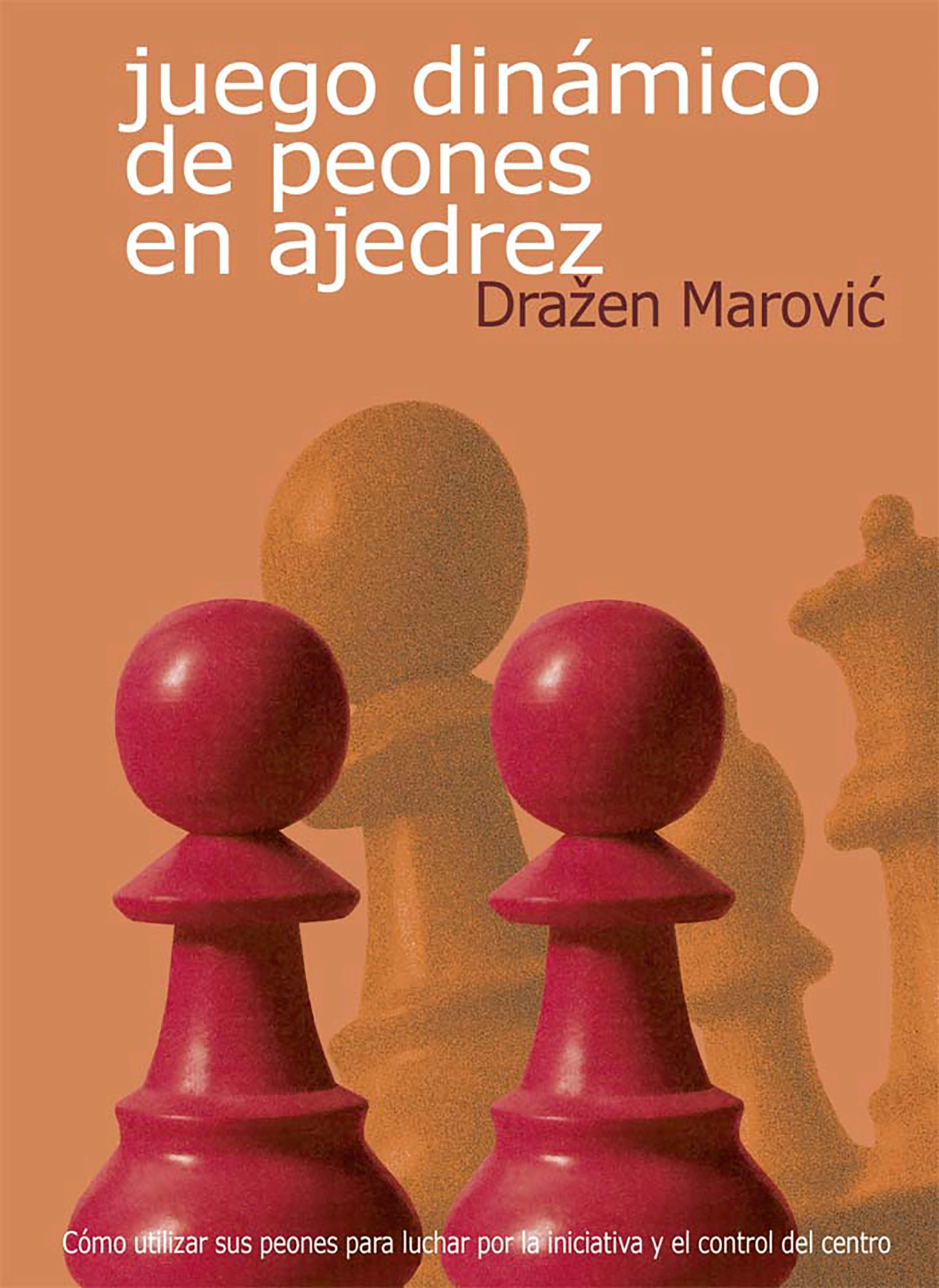
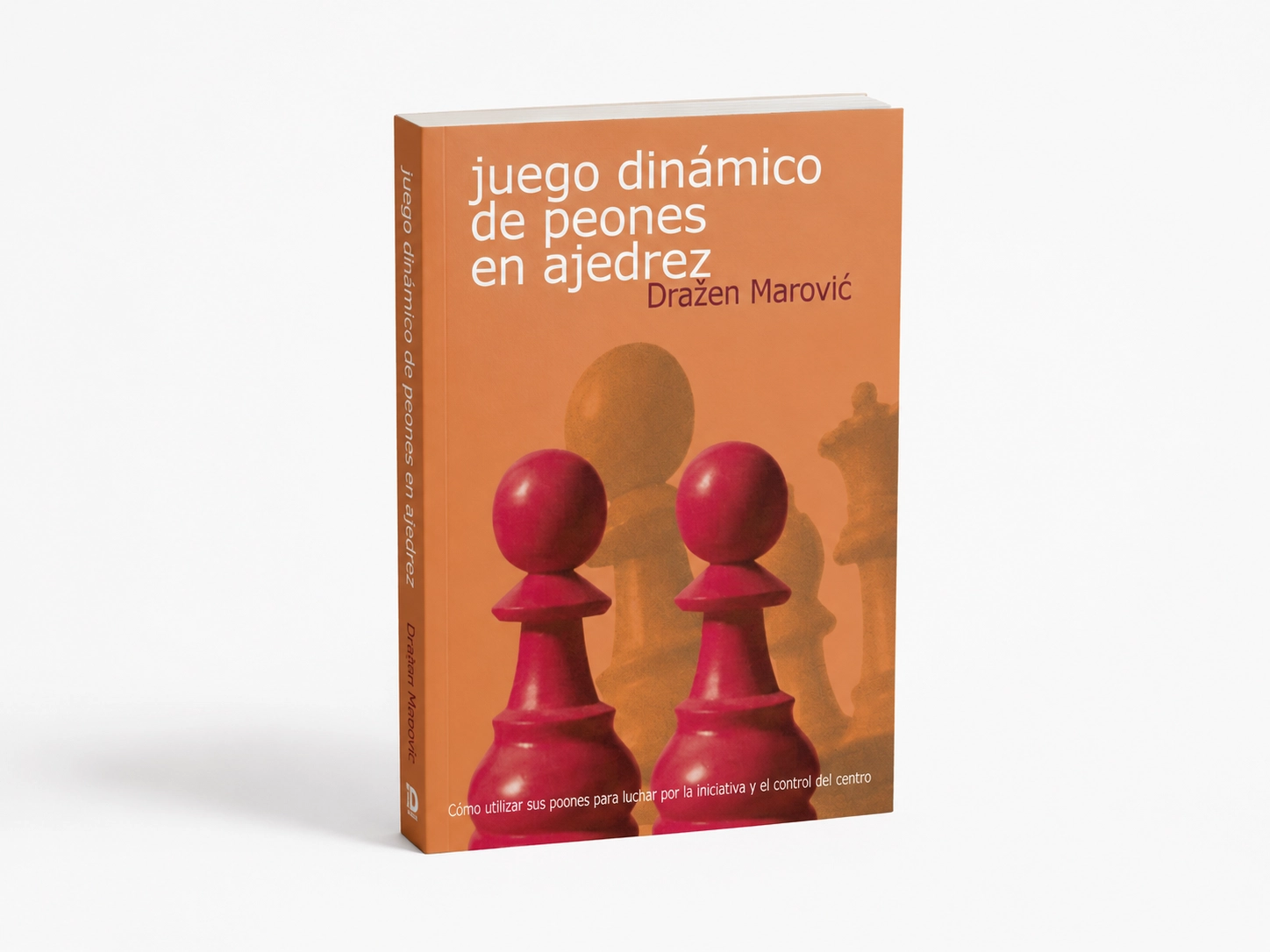
Most chess players think of pawns as structural elements — the skeleton around which the pieces operate. Drazen Marovic presents a different and more dynamic view: pawns as active strategic weapons that create weaknesses in the opponent’s position, force structural transformations, and determine who controls which squares, files, and diagonals throughout the game.
🎯 Who is this book for?
- Intermediate players who play too passively with their pawns and want to develop a more active approach
- Club players who understand pawn structure in general but don’t use pawns aggressively as strategic weapons
- Coaches who want material on dynamic pawn play for intermediate students
📖 What’s inside
- How pawn advances create weaknesses in the opponent’s position
- How to force structural transformations that benefit your piece placement
- Pawn breaks: when to open lines and how to choose the right moment
- How pawn play determines piece activity for both sides
- Dynamic pawn sacrifices: when giving up a pawn for structural or dynamic advantages makes sense
📚 The dynamic view: pawns as weapons
Active pawn play — using pawn moves to create problems for the opponent — is one of the most effective ways to control the character of the game from an early stage. This book trains that approach systematically.
♟️ Why we recommend it at Chesscul
At Chesscul we recommend this book to intermediate students who play correctly but passively and want to develop more initiative. Learning to use pawns aggressively — at the right moments — is one of the most efficient ways to improve practical results.
🔗 Recommended to pair with
- Dynamic Pawn Play in Chess Vol. 2: Marovic’s sequel, taking the same dynamic approach to more advanced topics.
- Chess Structures: Flores Ríos provides the structural context determining which pawn advances are correct in specific families of positions.



Reviews
There are no reviews yet