Description
♟️ Why the English Opening?
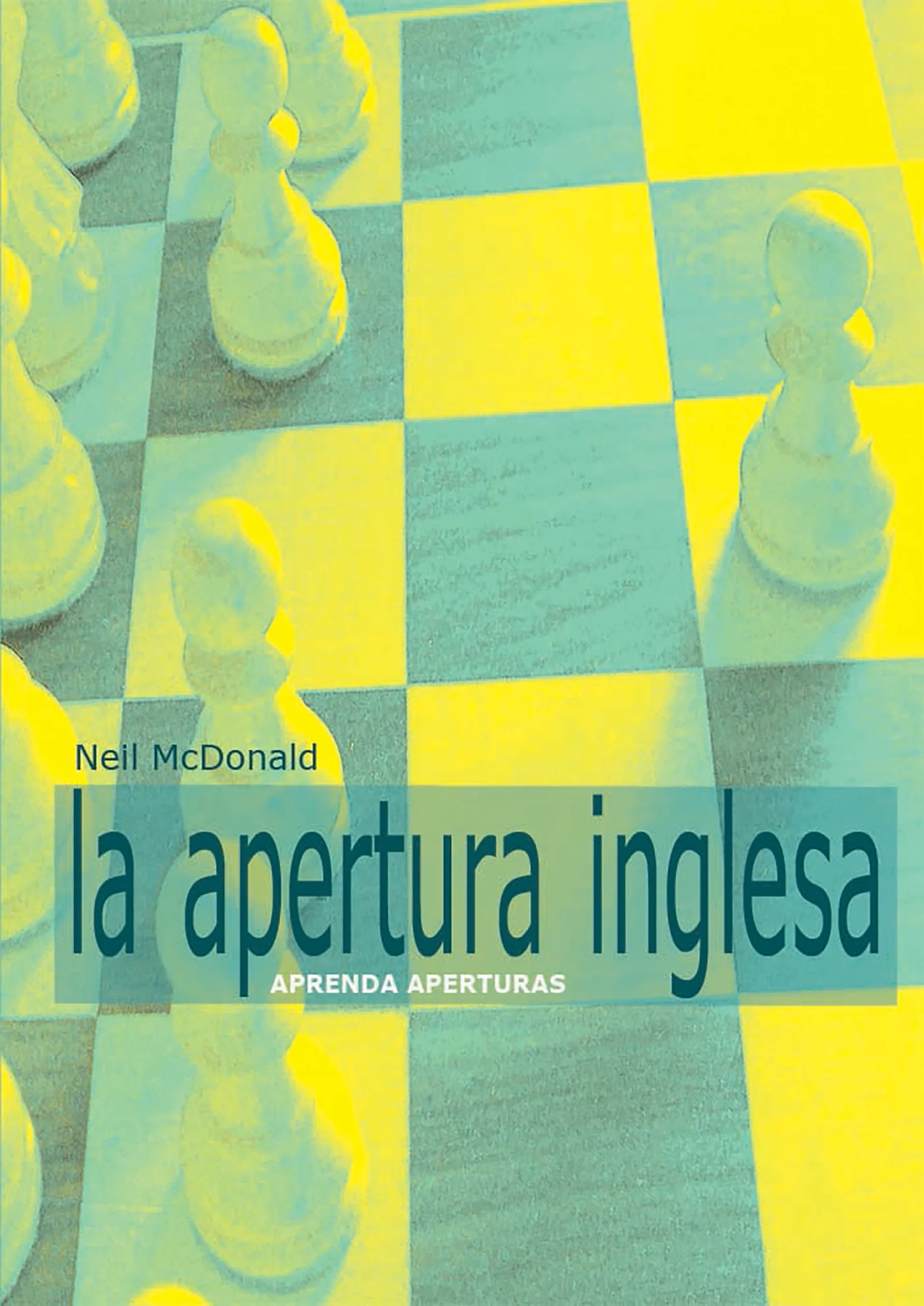
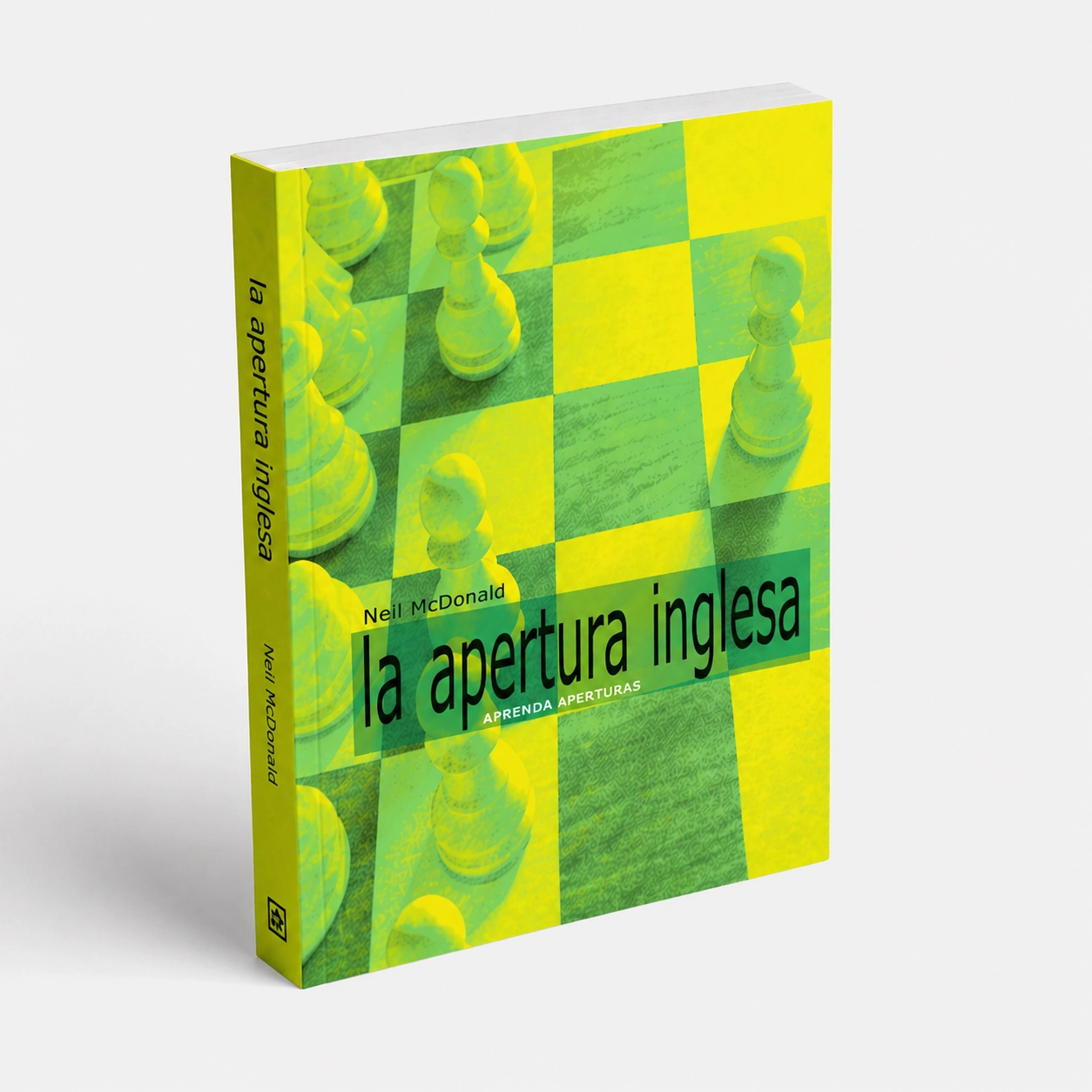
The English Opening (1.c4) is one of the most flexible and strategically rich first moves available to White. Rather than committing immediately to a central pawn structure, White develops flexibly and waits to see how Black responds before deciding on the ideal setup. The English can transpose to Queen’s Gambit positions, King’s Indian structures, Grünfeld themes or remain in independent English territory — giving White the initiative in determining the type of game.
At club level, the English has a practical advantage beyond its theoretical soundness: many players are less familiar with it than with 1.e4 or 1.d4, which means White often gets positions where they are better prepared than their opponent. This book provides the understanding needed to exploit that advantage.
🎯 Who is this book for?
- Players who want to add the English to their White repertoire as an alternative or complement to 1.d4
- Players who face the English as Black and want to understand the different setup options available
- Intermediate players who prefer strategic, less theoretical positions
📖 Contents
The book covers all major English Opening systems:
- The Symmetrical English (1…c5): the most principled Black response, with the various White handling methods
- The Reversed Sicilian (1…e5): Black’s most combative response and White’s best approaches
- Against 1…e6 and 1…Nf6: transposition options and independent lines
- The Four Knights English and other symmetric setups
- Typical English middlegame plans: d4 breaks, piece manoeuvres, minority attack themes
- Model games with strategic explanations
👤 About the author
Neil McDonald is a British Grandmaster and experienced chess author, known for writing opening guides that combine theoretical accuracy with genuine practical usefulness.
♟️ Why we recommend it at Chesscul
At Chesscul we recommend this book to students who want an alternative to 1.e4 or 1.d4 that is strategically rich and practically effective at club level. The English is particularly good for players who prefer positions with long-term plans over sharp tactical battles.
🔗 Recommended companions
- Endgame Planning II: Shereshevsky covers the endgames typical of English and closed game structures.
- Repertoire for White I and II: Watson’s repertoire provides a complete alternative White system that complements the English study.
- The Power of the Minor Pieces: Timman’s bishop vs knight analysis is directly relevant to the English’s typical piece imbalances.









Reviews
There are no reviews yet