
19,00 € Original price was: 19,00 €.18,05 €Current price is: 18,05 €.
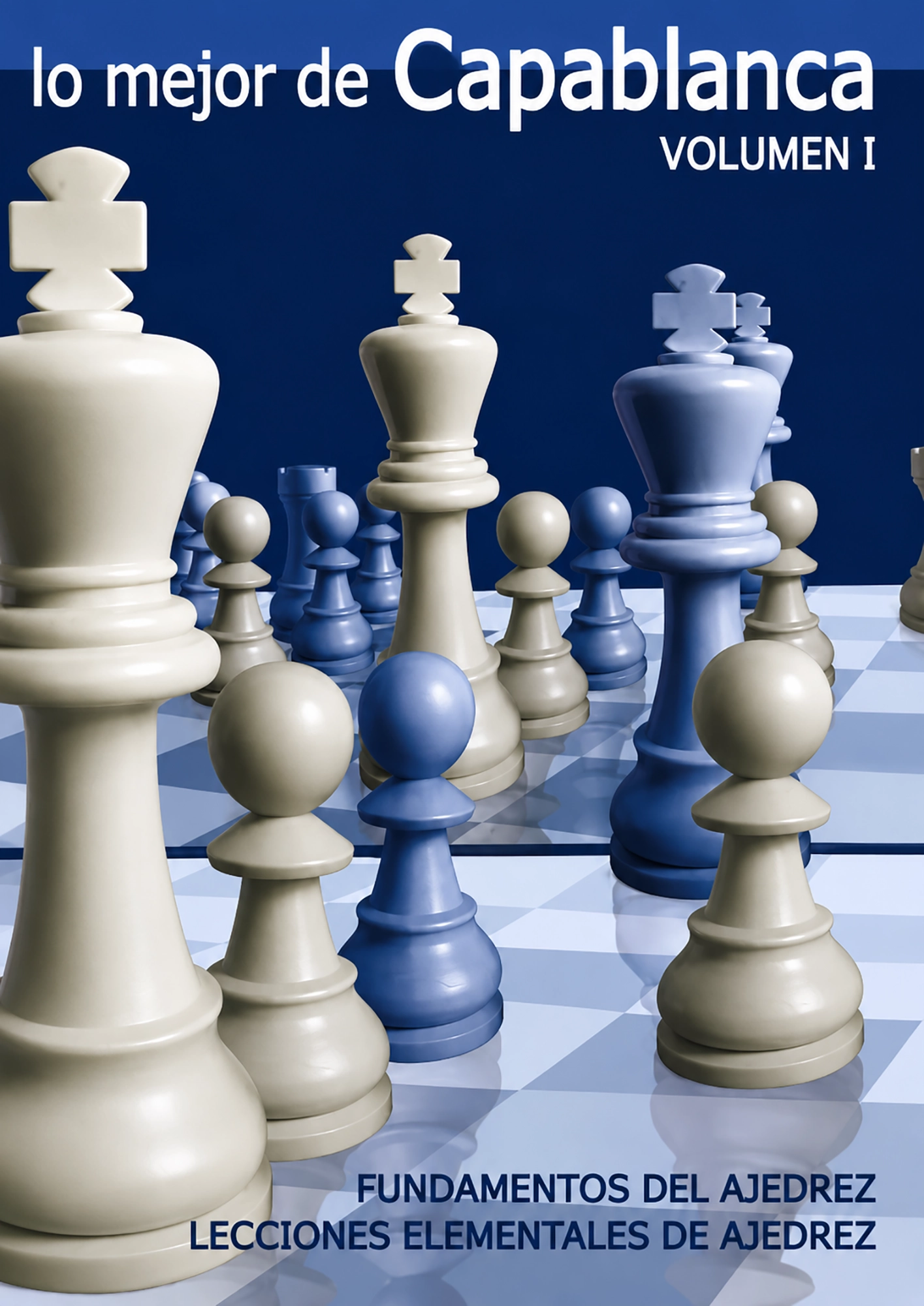
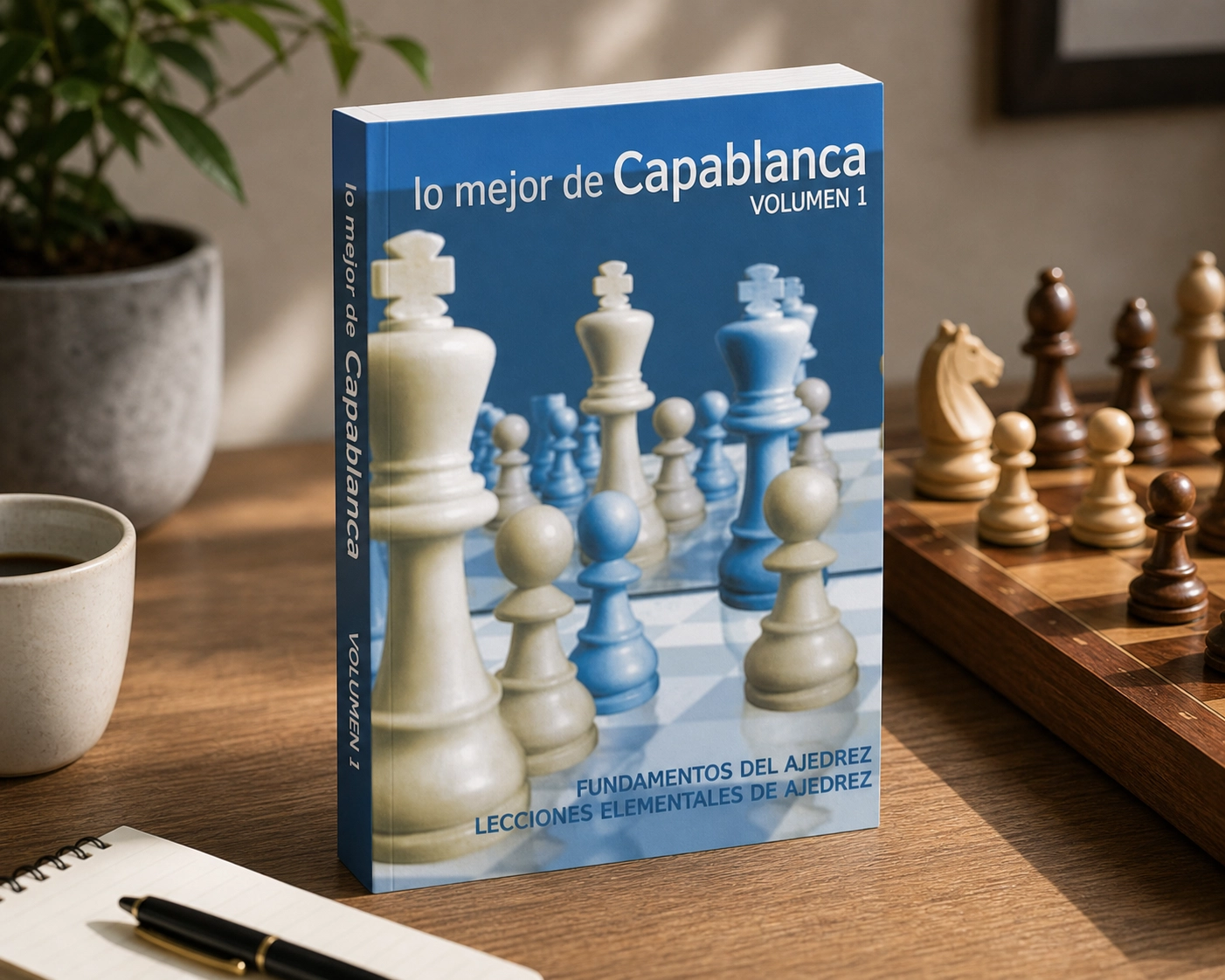
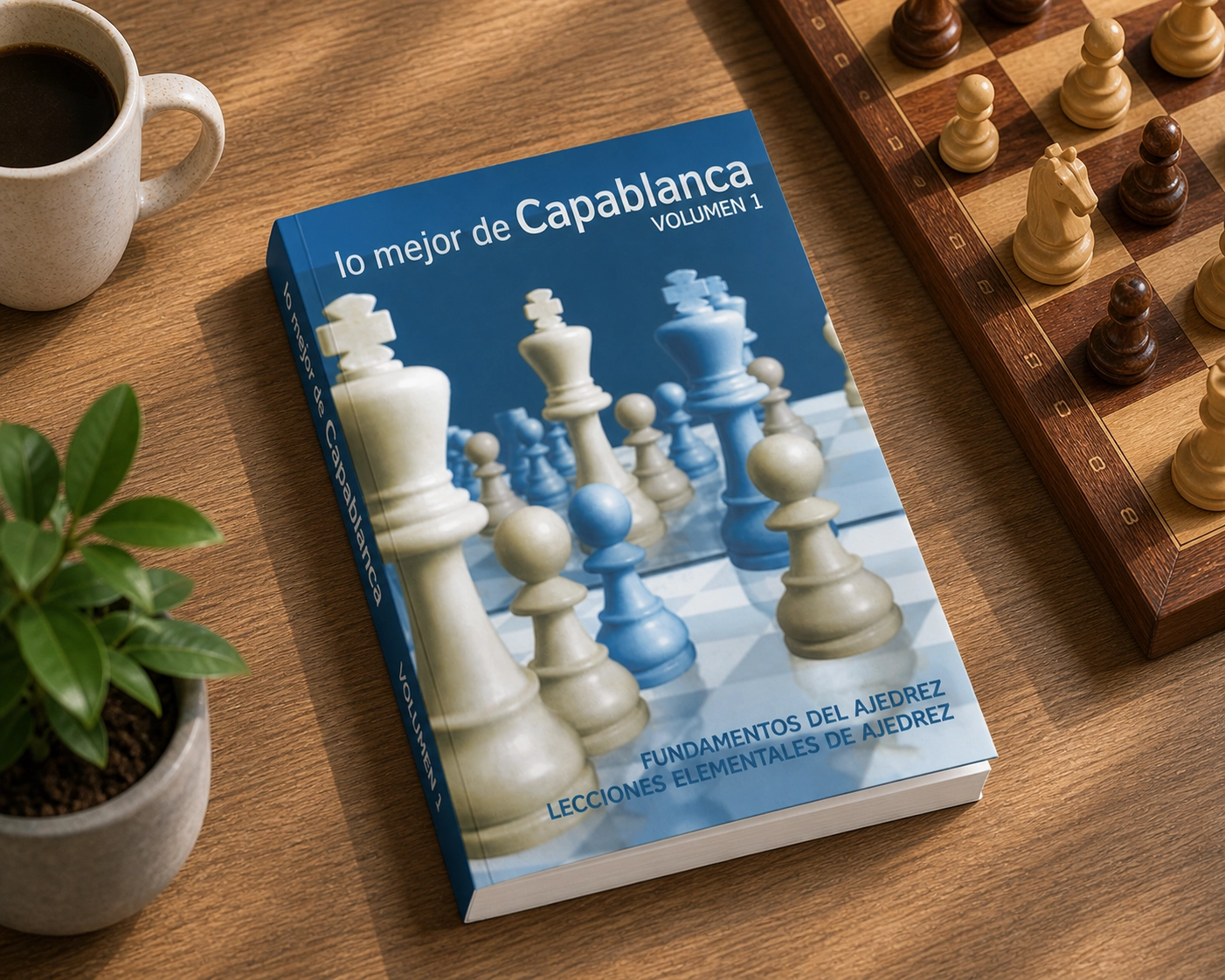
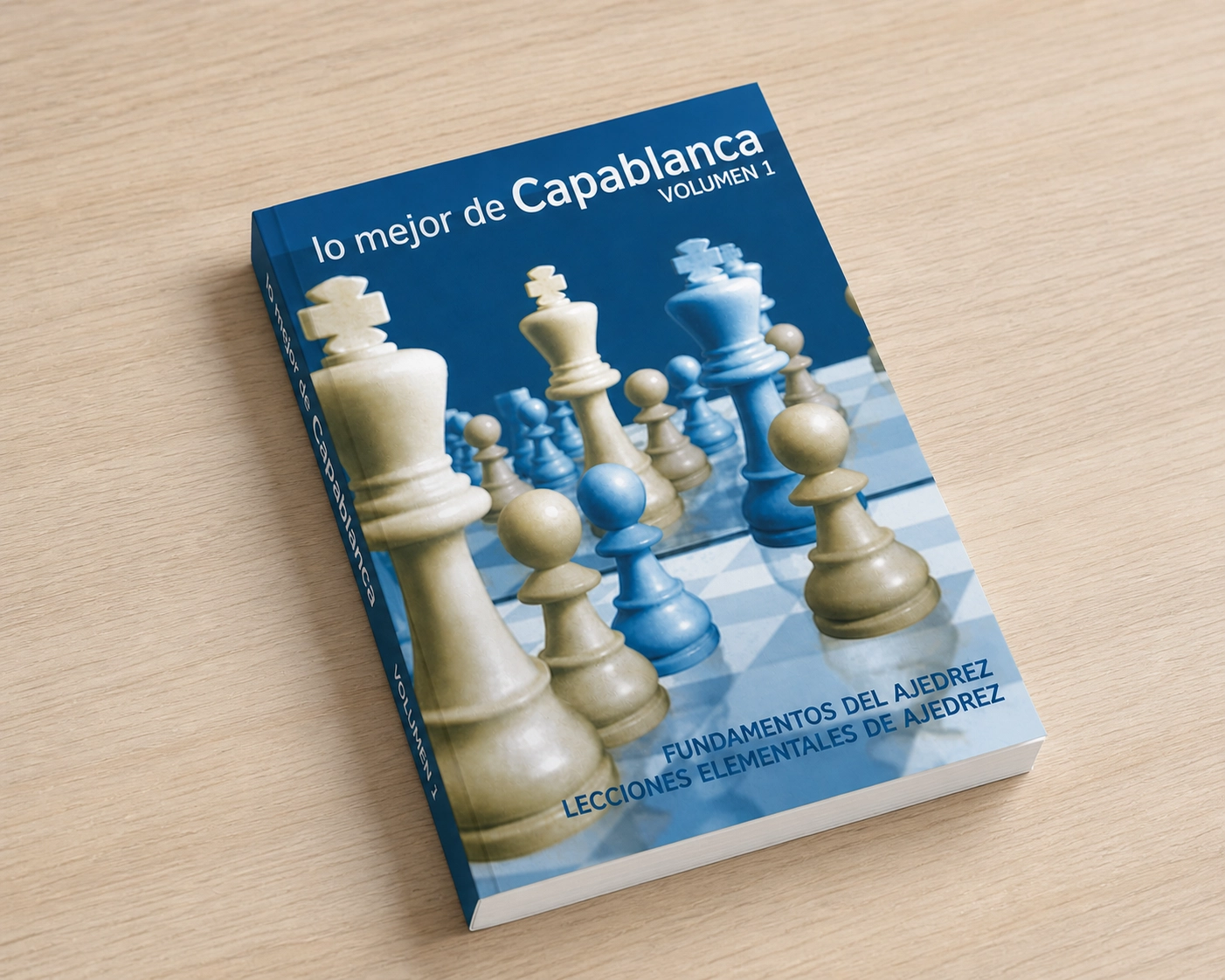
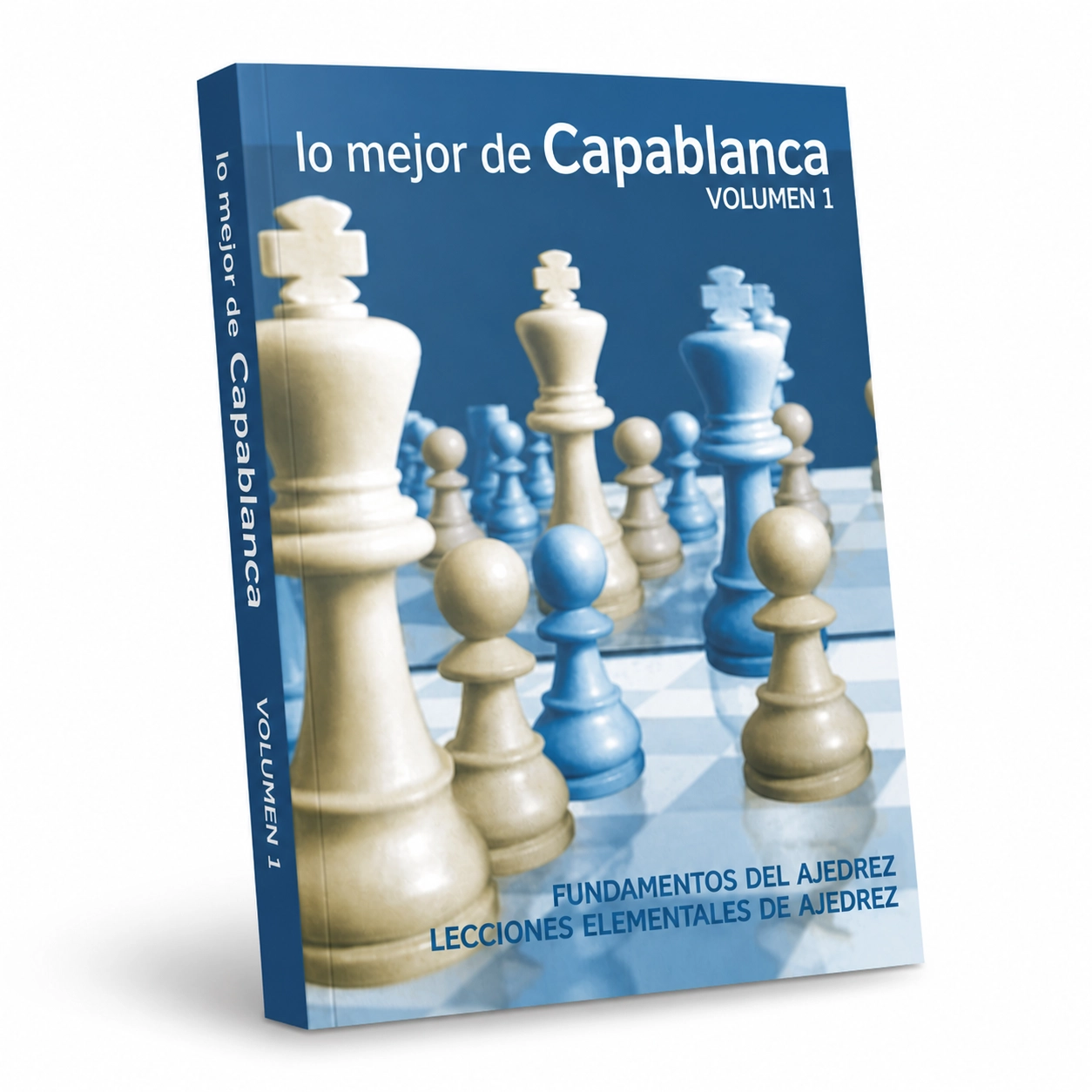
The first volume of the work by José Raúl Capablanca, world chess champion, dedicated to the fundamentals of chess: basic endgames, opening principles and positional logic, all explained with the characteristic clarity of the player many consider the most natural in the history of the game.
176 pages with model games, elementary lessons and practical examples that teach chess from the simplest principles, without unnecessary theory.
For beginner players who want to learn the fundamentals of chess with the best possible teacher.
En stock
If the first volume teaches the principles, the second shows them in action in the context of Capablanca’s real career. The games in this volume correspond to his period of international consolidation: the matches that took him to the top of the chess world before winning the title from Emanuel Lasker in 1921. These are more complex games than those in the first volume, with opponents of the highest quality and positions where Capablanca’s positional logic faces genuine resistance.
What distinguishes this book from other classical game collections is that Capablanca annotates his own games: he knows exactly what he was thinking at each moment, where he had difficulties and why he chose each move. That internal perspective is hard to find anywhere else.
The book covers Capablanca’s international consolidation period, with games from his main tournaments and matches:
Capablanca was famous for his ability to simplify complex positions down to their essence and then convert that essence into victory. His games in this period show that process under real conditions: opponents who don’t give up easily, positions where the advantage isn’t obvious and decisions that require technical precision, not just intuition.
José Raúl Capablanca (1888-1942) was world chess champion between 1921 and 1927. He is considered one of the most natural and precise players in history, especially recognised for his endgame technique and positional clarity.
At Chesscul we recommend this second volume to intermediate students who already have a technical foundation and want to study how an elite player transforms small advantages into victories. Capablanca’s style — simplification, precision, logic — is especially instructive for players who tend to complicate when they have an advantage.
| Weight | 0,4 kg |
|---|---|
| Dimensions | 17 × 24 cm |
| Páginas | 176 |
| Autor | José Raúl Capablanca |
| Editorial | La Casa del Ajedrez |
| Colección | Biografías y partidas |
| Año de publicación | 2012 |
| Idioma | Español |
| Formato | Tapa blanda / libro físico |
| ISBN | 9788492517398 |
| Nivel | Principiante |
| Tema principal | Fundamentos / Estrategia / Partidas comentadas |


Reviews
There are no reviews yet