Description
♟️ What makes this series different?
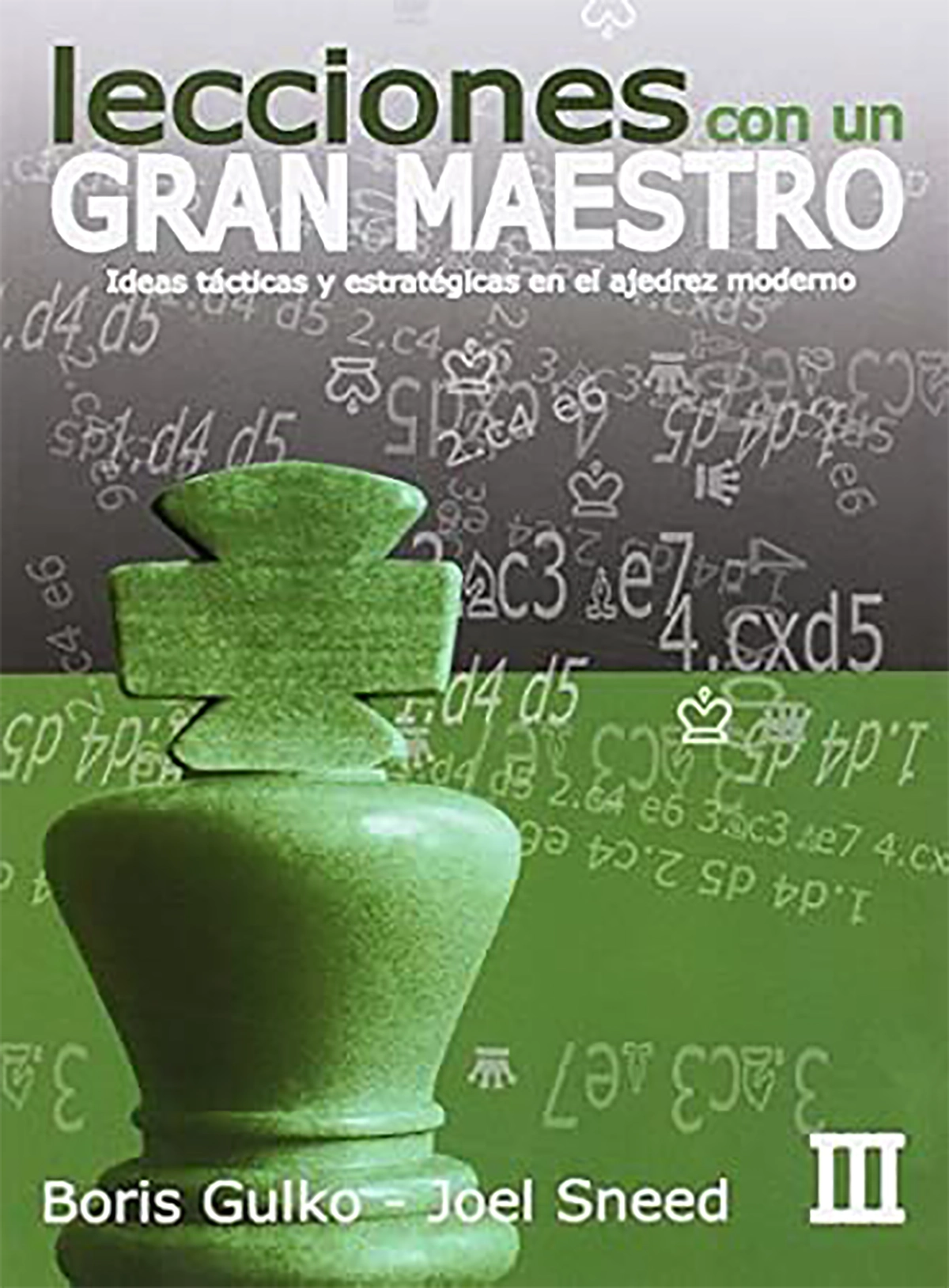
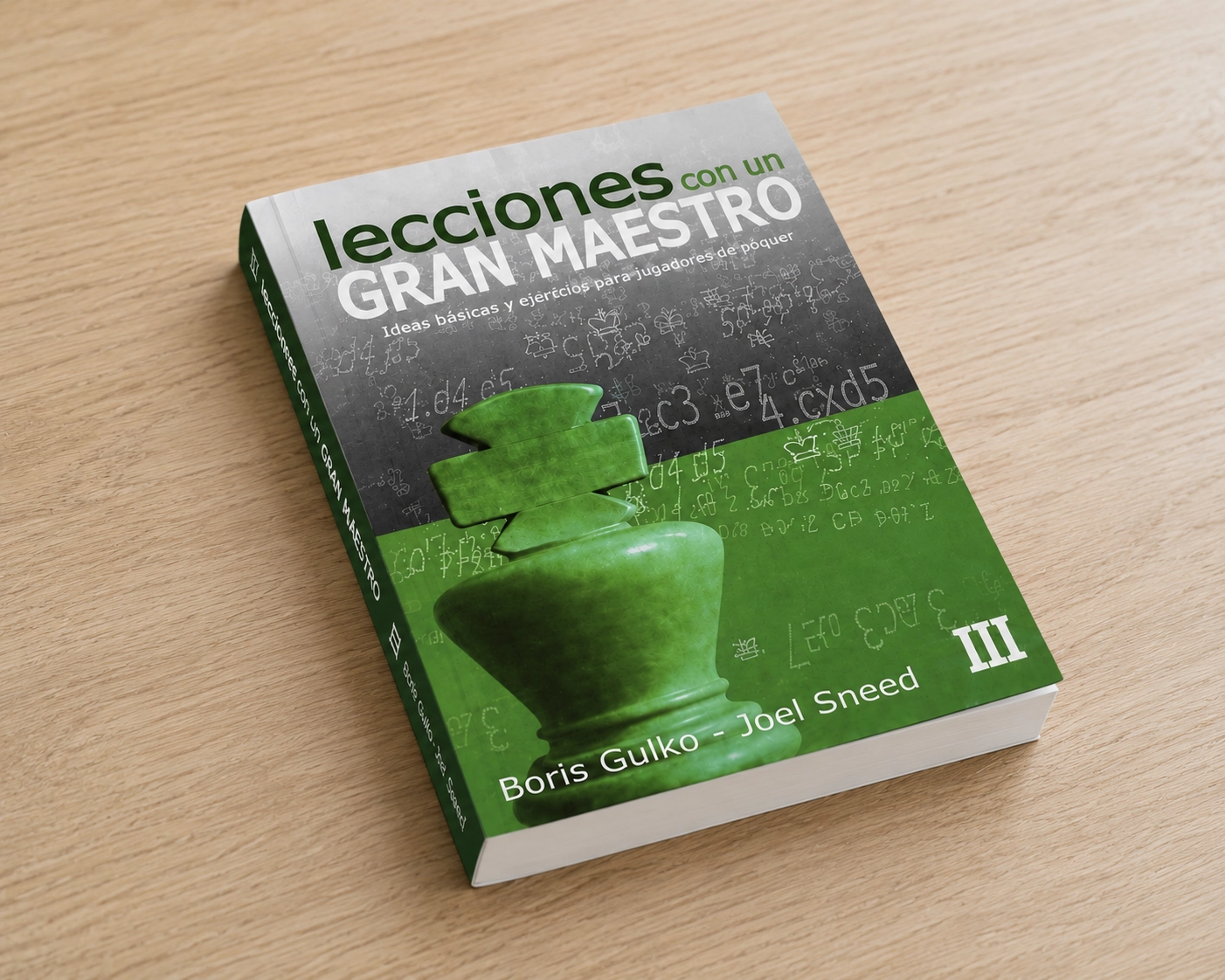
Most annotated game collections show you what the best moves were. This series shows you how a world-class player decided what to play — including the times he wasn’t sure. Boris Gulko, who reached the top 10 in the world and is the only player to have won both the US and Soviet Championships, provides annotations that include genuine uncertainty: the moments where he considered the wrong move, the plans he rejected for the wrong reasons, and the resources he missed during the game.
This is the third volume in the series, covering the most complex games — positions where the decisions were hardest and the margin for error smallest.
🎯 Who is this book for?
- Intermediate to advanced players who want to understand how elite decision-making actually works under real game conditions
- Students who have worked through volumes 1 and 2 and want to see the same analytical approach applied to more complex positions
- Coaches who want a model for teaching the decision-making process to advanced students
📖 What’s inside
A selection of complete games annotated with the same format as the previous volumes:
- The thinking process behind every significant decision, including rejected alternatives
- Evaluation errors Gulko made during the game, explained with hindsight
- Resources he nearly missed — moves that would have changed the result
- Psychological and practical factors that influenced decisions at critical moments
📚 The unique value: transparency about errors
What makes this series exceptional isn’t the quality of the games — it’s the willingness to be transparent about the gaps between what an elite player sees during the game and what becomes obvious afterwards. That gap is where most chess instruction focuses; this series focuses on the gap itself, which is far more instructive.
♟️ Why we recommend it at Chesscul
At Chesscul we recommend this series to advanced students who already understand positional and tactical concepts but want to understand how to apply them under the pressure of a real game.
🔗 Recommended to pair with
- The Gulko Method Vol. 1: start here if you haven’t read the first two volumes.
- Thinking Inside the Box: Aagaard’s decision-making framework complements the Gulko approach with a more systematic structure.
- Positional Decision Making in Chess: Gelfand and Aagaard apply a similar insider perspective to positional positions at the elite level.





Reviews
There are no reviews yet