Description
♟️ What is this book about?
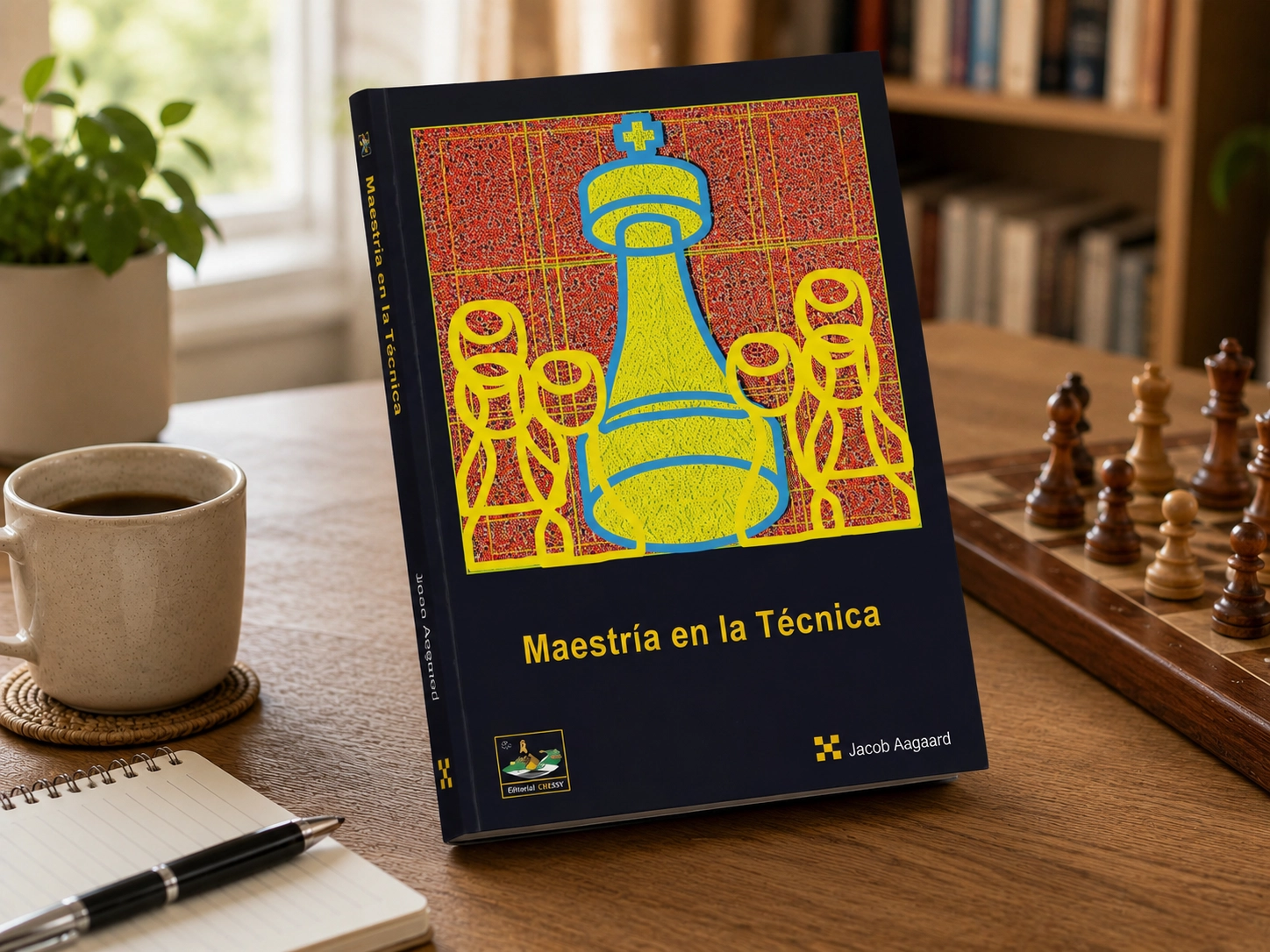
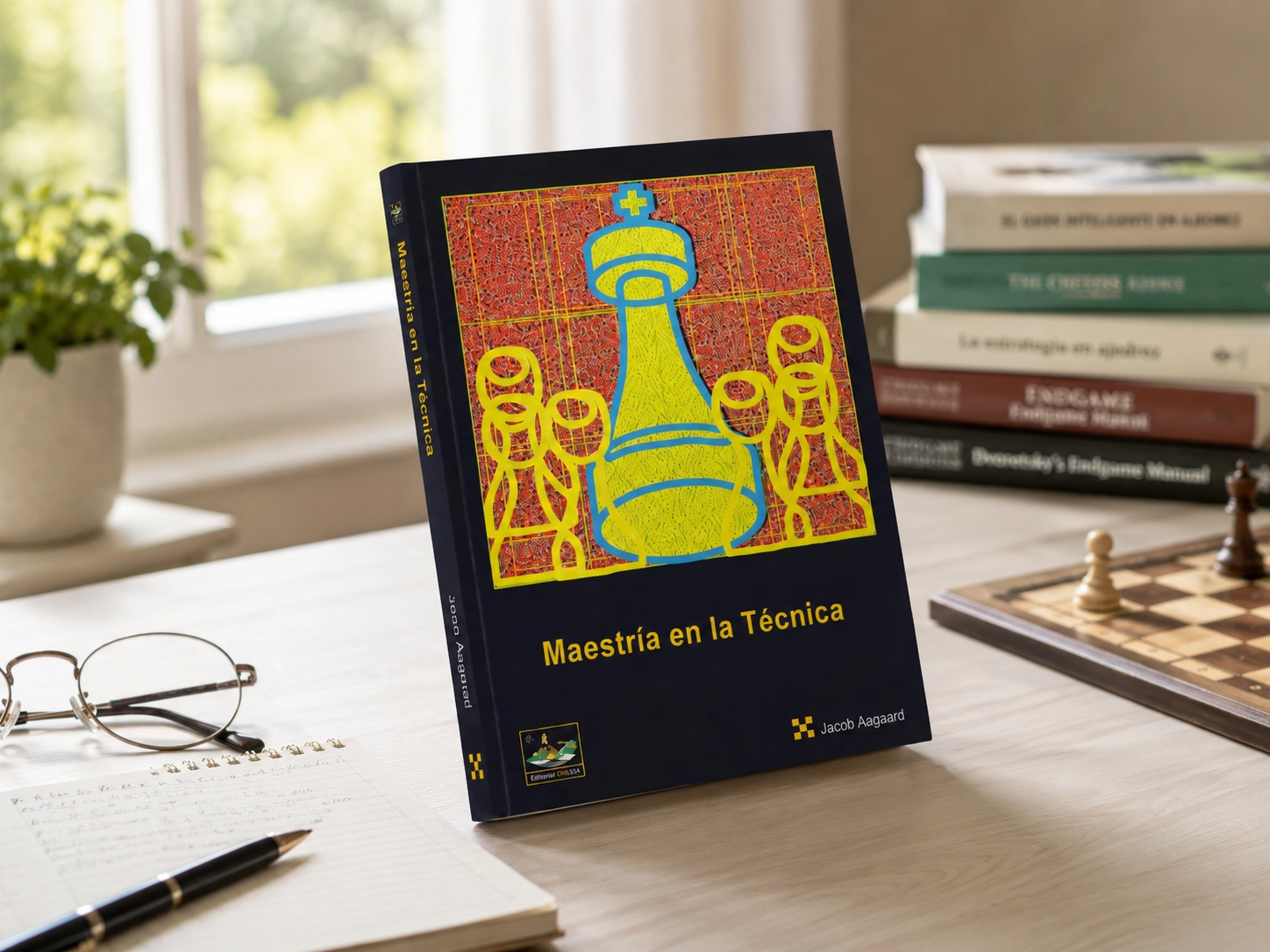
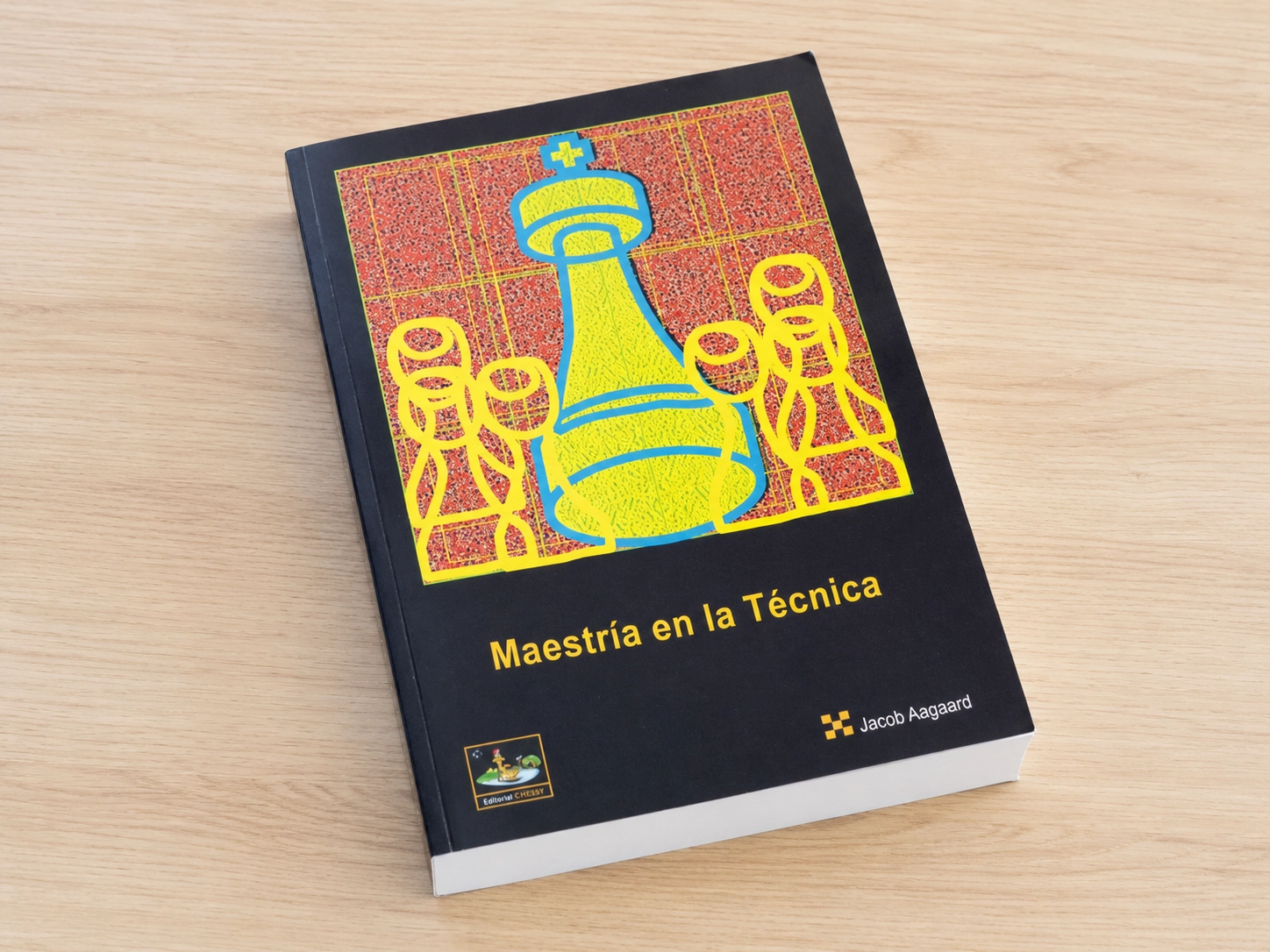
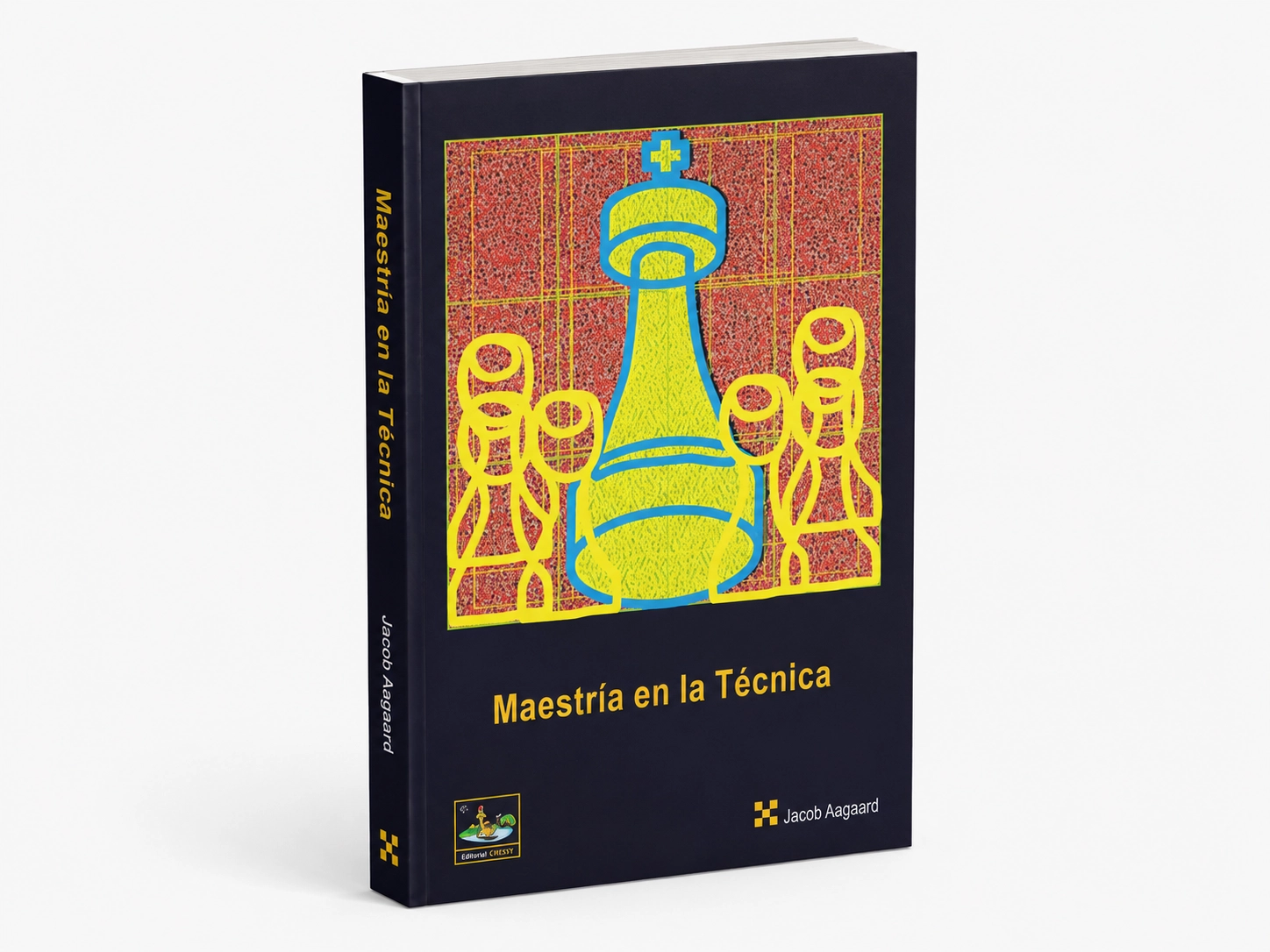
This is a comprehensive practical improvement manual — covering everything that contributes to better chess results, from the thinking process at the board to specific positional concepts to the understanding of weaknesses and how to exploit them. Unlike most chess books that focus narrowly on one topic, this one covers the full range of practical skills with the goal of producing measurable improvement in actual tournament performance.
🎯 Who is this book for?
- Intermediate players who want a comprehensive practical guide rather than another specialized book on a narrow topic
- Club players who want to improve across all aspects of their game simultaneously
- Self-directed learners who want a single comprehensive reference for practical improvement
📖 What’s inside
- Thinking at the board: how to approach positions, manage time, and make decisions under competitive conditions as a human player
- Positional concepts: the most important concepts for evaluating positions and finding plans in the middlegame
- Weaknesses: how to identify weaknesses in your own and your opponent’s position, and how to exploit or minimize them
- Piece-square relationships: how different pieces use specific squares, files, and diagonals most effectively
- Practical advice on improvement: how to study, how to analyze your games, and how to build on what you learn
📚 Thinking like a human, not a computer
The most distinctive aspect of this book is its emphasis on human chess thinking rather than engine-optimal play. The practical advice is calibrated to what actually works for human players under real competitive conditions.
♟️ Why we recommend it at Chesscul
At Chesscul we recommend this book to intermediate students who want a single comprehensive resource for practical improvement rather than a collection of specialized books.
🔗 Recommended to pair with
- How to Reassess Your Chess: Silman’s framework for positional thinking complements the practical approach of this book.
- Chess Structures: Flores Ríos on pawn structures gives deeper context for the positional concepts covered here.







Reviews
There are no reviews yet