Description
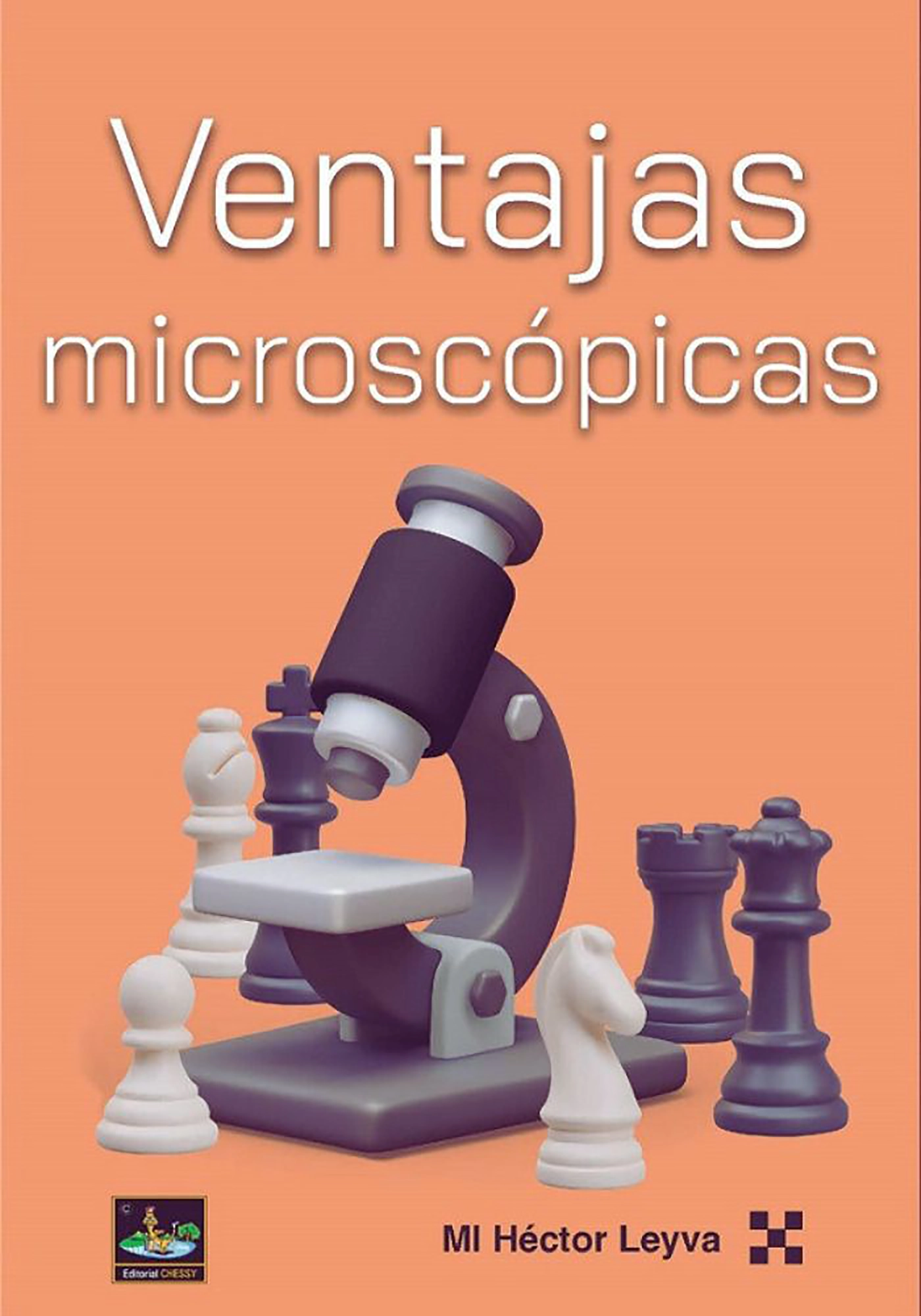
♟️ What is this book about?
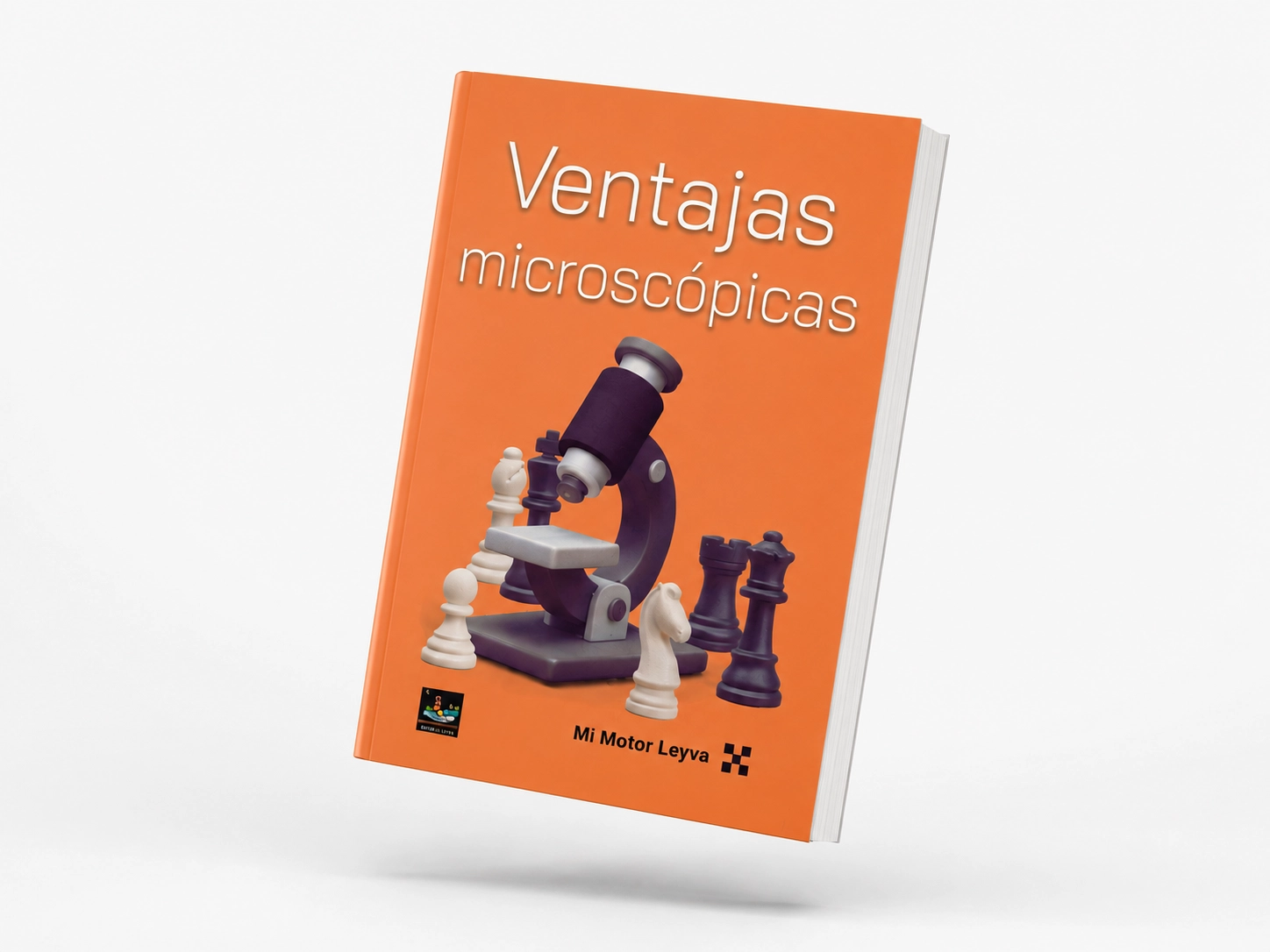
The difference between players rated 1800 and 2300 often has nothing to do with tactics or opening preparation — it’s the ability to detect and exploit advantages that are almost invisible. A slightly better bishop, a marginally more active king, a pawn structure that gives one side 2% more winning chances in the endgame. At club level, these advantages are routinely overlooked. At professional level, they’re consistently converted into points.
Yakov Neishtadt examines exactly these types of small advantages: how to recognize them, how to evaluate whether they’re significant in the specific position, and how to convert them without the position ever becoming tactically decisive.
🎯 Who is this book for?
- Intermediate to advanced players who win easily when they get large advantages but struggle to convert small ones
- Players who often reach endgames with a slight edge and draw more of them than they should
- Coaches who want material on positional conversion for students who are already strong tactically
📖 What’s inside
The book covers the main types of small advantages found in practical play:
- The superior minor piece: when a bishop is worth more than a knight, and vice versa
- The better pawn structure: identifying and exploiting pawn weaknesses that aren’t immediately decisive
- The more active pieces: converting piece activity into concrete advantages
- The better king position: how small king position differences accumulate into winning advantages
- The conversion method: how to translate a small advantage into a winning position without overextending
📚 The central insight: detection before exploitation
Neishtadt’s key contribution is the emphasis on detecting small advantages before trying to exploit them. Many players know in theory how to exploit certain types of advantages but fail to recognize them when they appear on the board in a slightly disguised form.
♟️ Why we recommend it at Chesscul
At Chesscul we recommend this book to intermediate students who already have solid tactical training and want to develop the positional depth to win more games from equal or slightly better positions.
🔗 Recommended to pair with
- Positional Decision Making in Chess: Gelfand and Aagaard show how elite players handle the type of positions Neishtadt analyzes.
- Endgame Strategy: Shereshevsky’s classic on endgame technique is the natural follow-up.



Reviews
There are no reviews yet