Description
♟️ What is this book about?
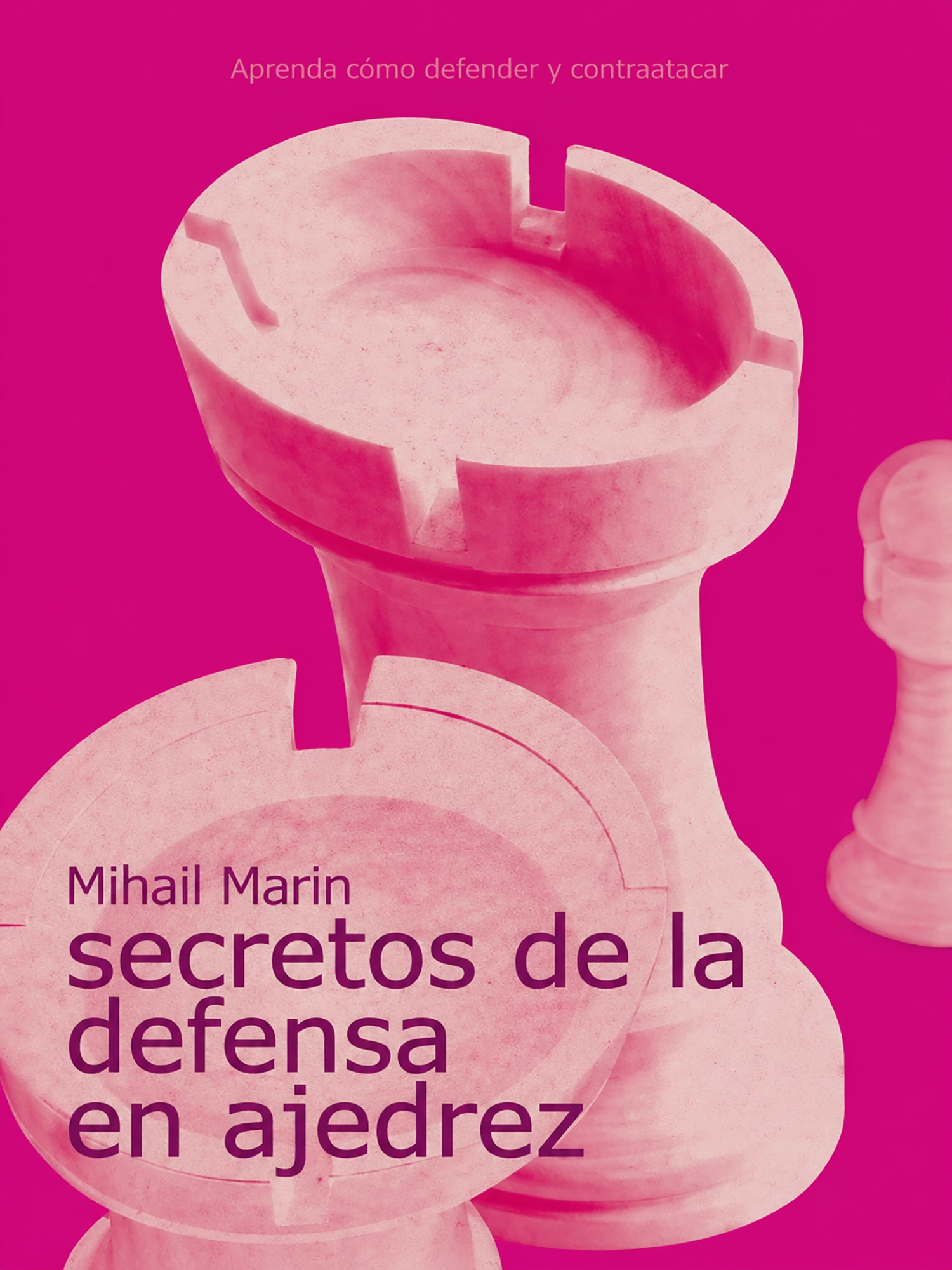
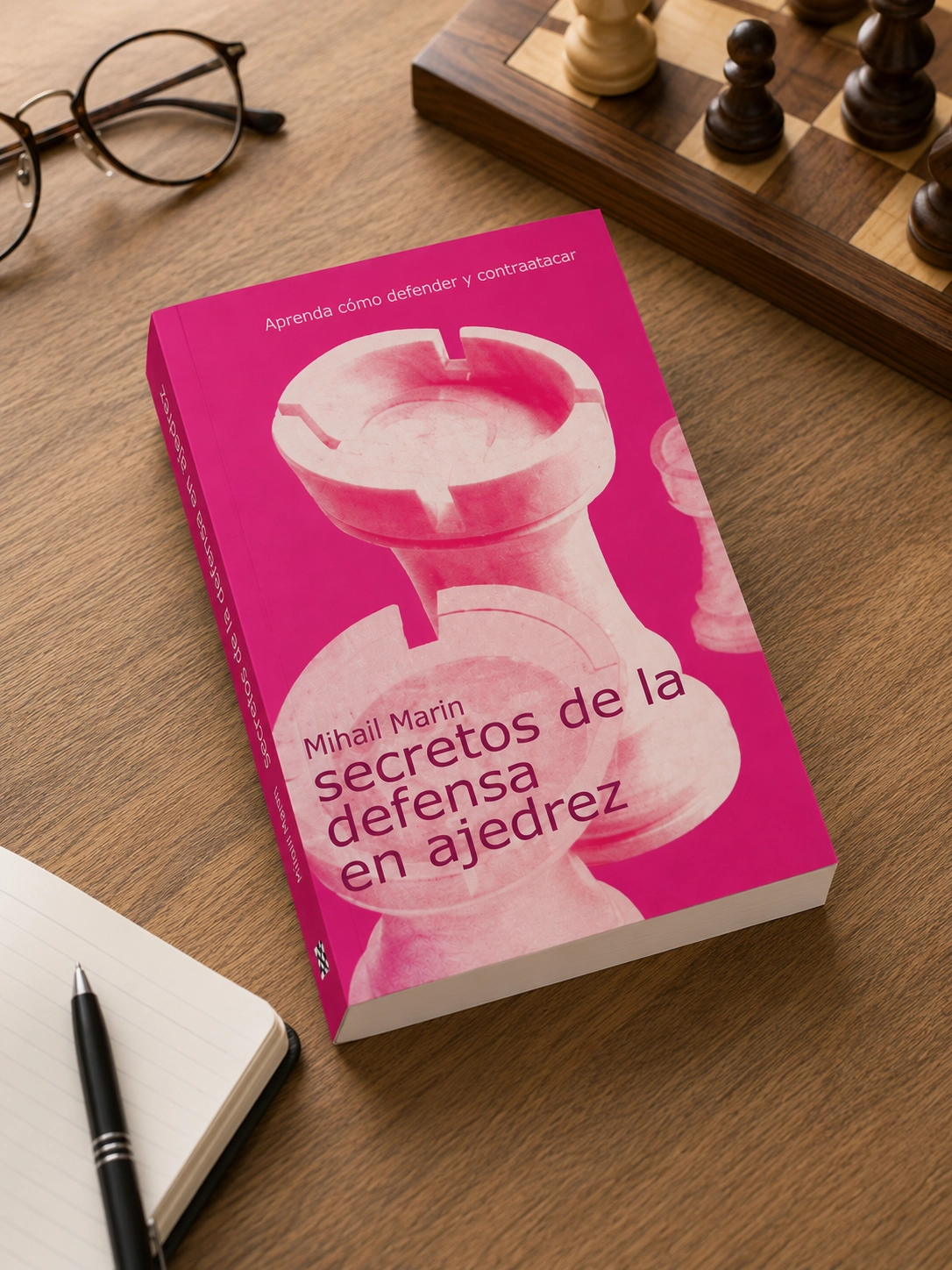
Defense is the most neglected skill in chess education, and this book is one of the most complete treatments of it available. While most chess books focus on tactics, strategy, and conversion of advantages, defensive technique receives relatively little systematic attention — despite the fact that the ability to defend accurately determines the outcome of many more games at club level than pure attacking skill does.
🎯 Who is this book for?
- Intermediate players who give up too easily when in a worse position and want to develop genuine defensive resilience
- Club players who understand attack but are weak at defense — the most common imbalance at intermediate level
- Coaches who want a comprehensive defensive resource for intermediate students
📖 What’s inside
- Economy of material: using the minimum resources necessary for defense, keeping the maximum for counterplay
- Stalemate: when and how to seek stalemate as a defensive resource
- Perpetual check: how to identify and construct perpetual check possibilities under pressure
- Defensive sacrifices: sacrificing material to eliminate the most dangerous attacking pieces or reach a drawable position
- Simplification: how to simplify to an objectively drawable position when under attack
- Difficult endgames: defensive technique in objectively worse endgame positions — the most important skill for saving half-points
📚 Defense as a creative skill
The most important reframe this book offers is treating defense as a creative skill rather than a passive one. Finding a stalemate resource in a lost position, constructing a fortress in a technically losing endgame, or finding a perpetual check the opponent missed — these are as creative as any attacking combination.
♟️ Why we recommend it at Chesscul
At Chesscul we recommend this book to intermediate students who want to improve their tournament scores by losing fewer games. The most reliable path to better results at club level isn’t winning more games from equal positions — it’s losing fewer from worse ones.
🔗 Recommended to pair with
- Active Defense and Counterattack: deeper treatment of the transition from defense to counterplay.
- Attack and Defence: Aagaard’s integrated framework covering both sides of the board.



Reviews
There are no reviews yet