
21,00 € Original price was: 21,00 €.19,95 €Current price is: 19,95 €.
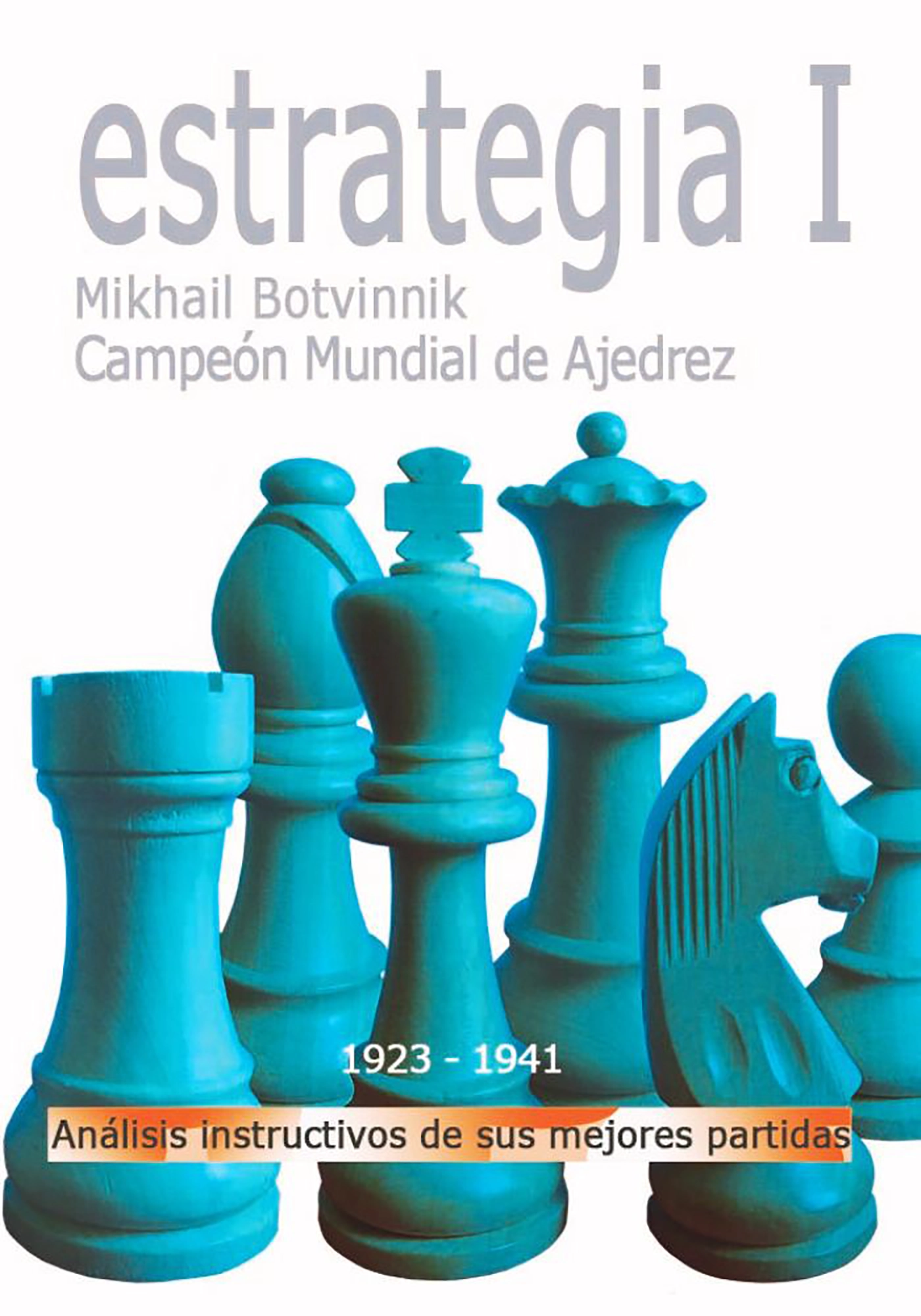
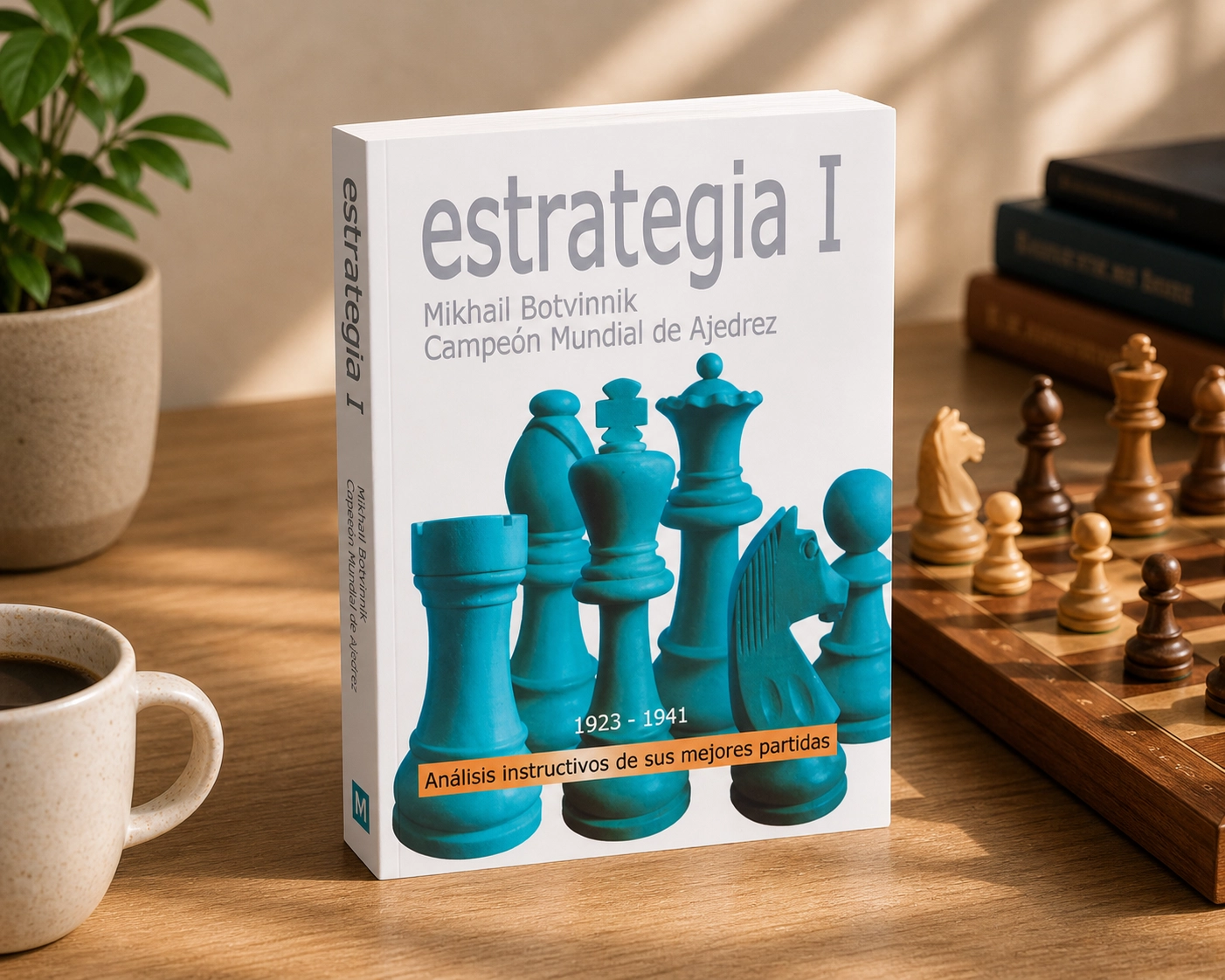
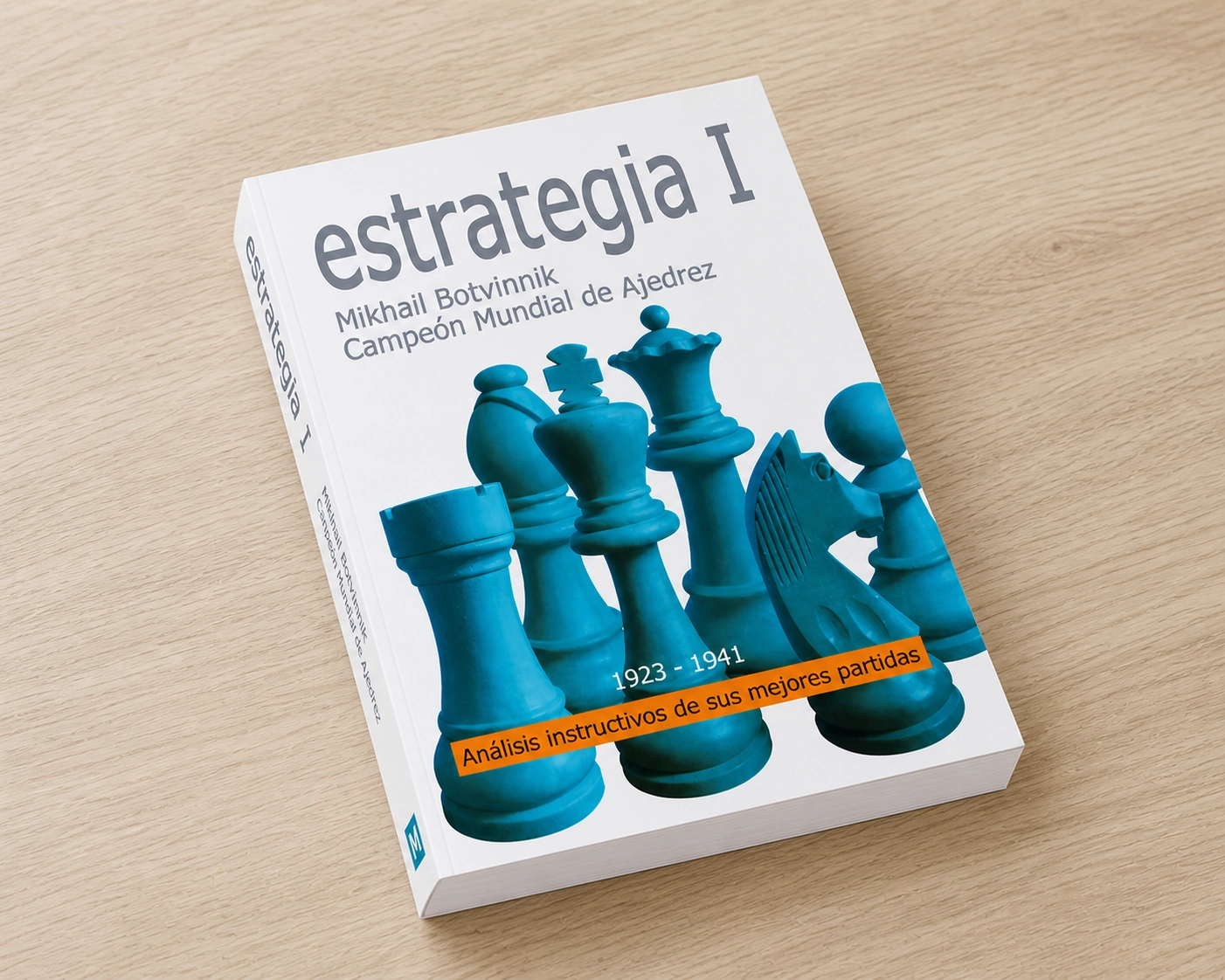
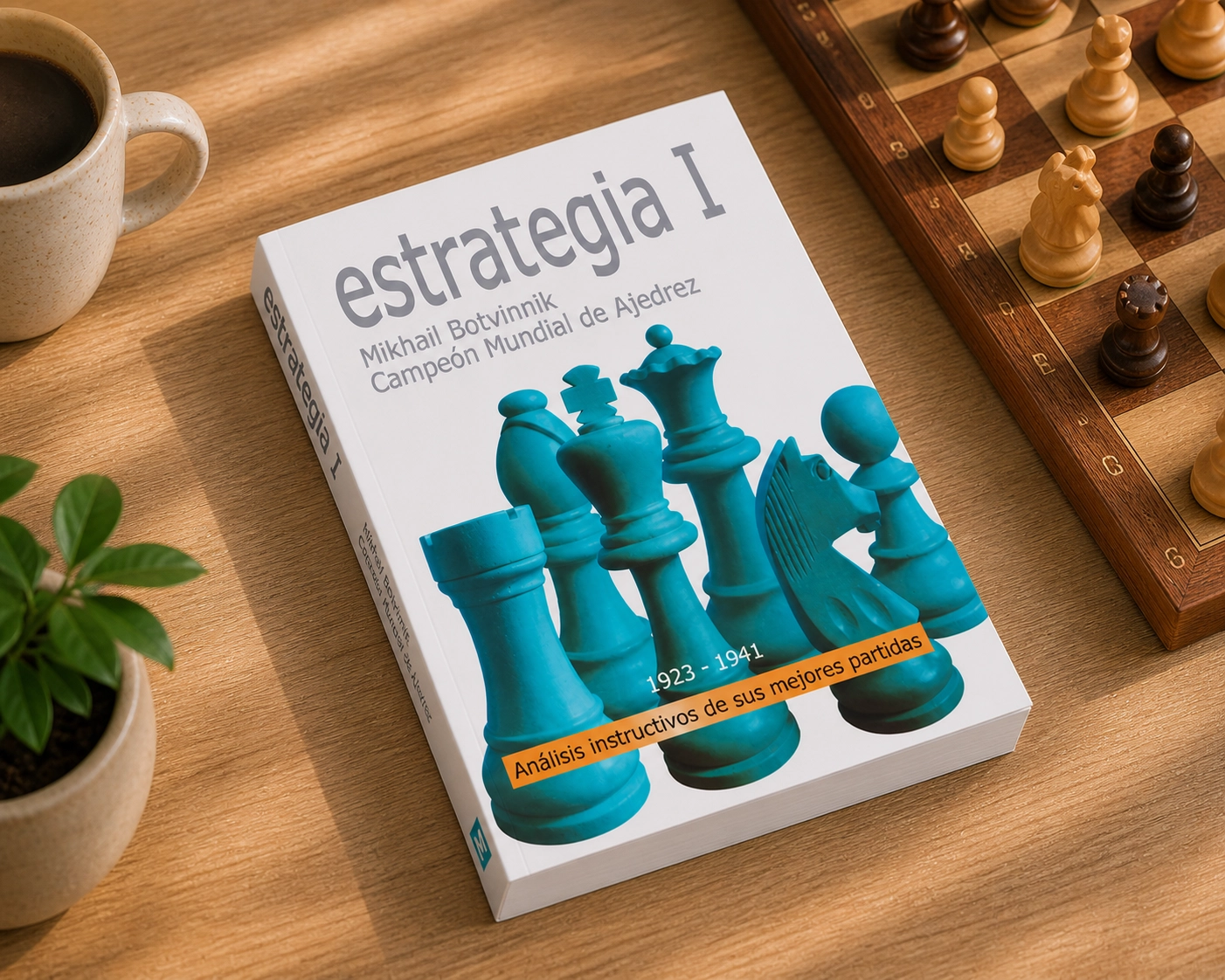
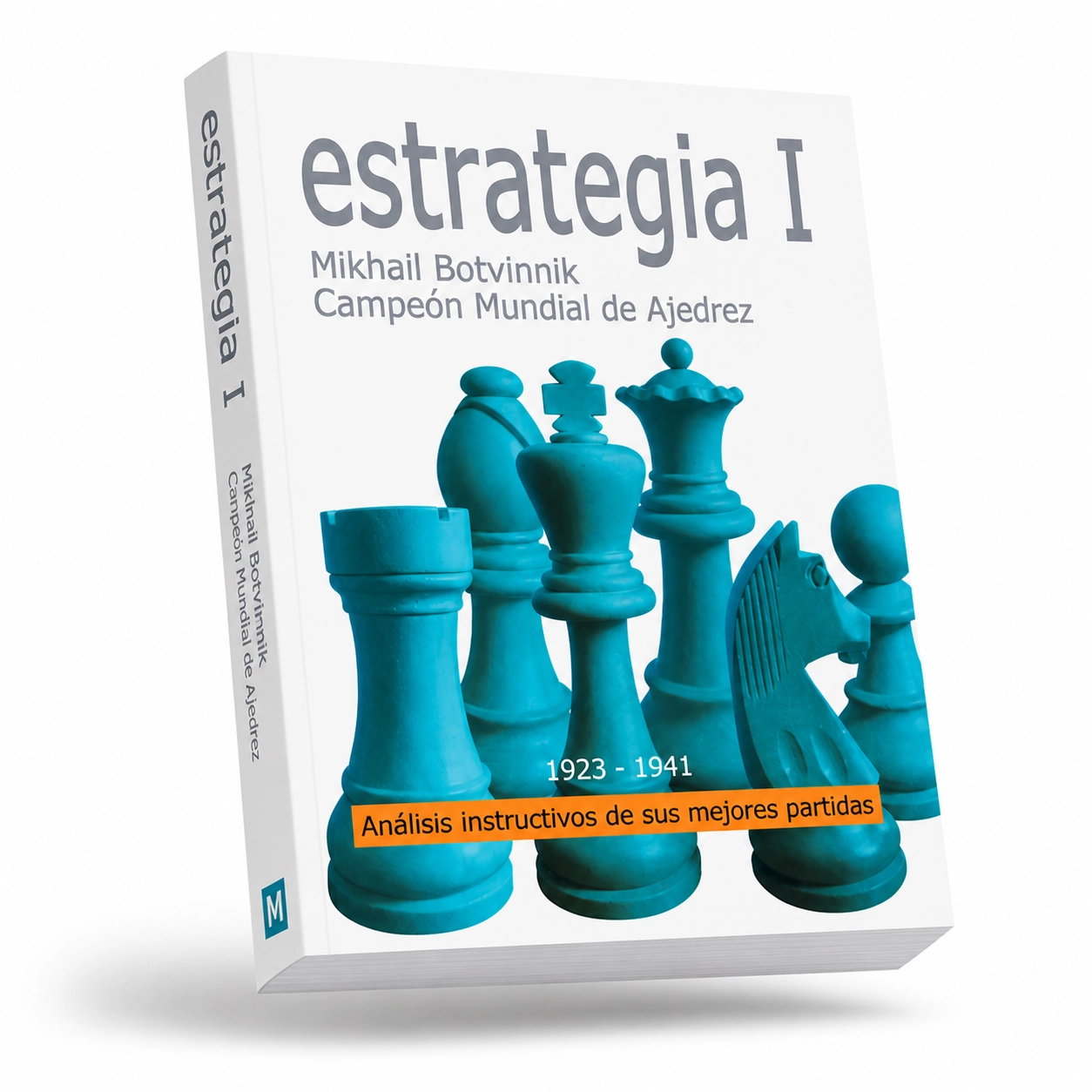
The first volume of Mikhail Botvinnik‘s annotated games, three-time world chess champion, covering his first competitive decades from 1923 to 1941.
228 pages with a biographical introduction, the most representative games of Botvinnik’s formation and consecration period annotated by himself, and a preface by Spanish chess journalist Leontxo García.
For advanced players who want to study Botvinnik’s strategic method from its origins and understand how a champion’s style is built.
En stock
Mikhail Botvinnik was not just the most methodical world champion in history — he was the player who transformed how chess is studied and taught. Before Botvinnik, preparation consisted of knowing opening theory and relying on natural talent during the game. Botvinnik introduced something radically different: the systematic analysis of one’s own games, specific preparation for each opponent and the study of one’s own mistakes as an improvement tool. That method — which today seems obvious — he invented, and he developed it precisely during the years covered in this first volume.
The period 1923-1941 is one of formation and consecration. From his first tournament games to his establishment as the strongest player in the world before World War II interrupted international competition. These are the years where the Botvinnik method is forged, and his annotations in this volume have the clarity of someone who already knows where those decisions led.
The book is preceded by a biographical introduction and a preface by Leontxo García, and organises the games chronologically for the period 1923-1941:
The AVRO 1938 tournament deserves special mention: it was the strongest tournament to date, with the world’s eight best players, and Botvinnik shared first place with Keres. His annotations about that tournament are the most extensive in the volume and the ones that best illustrate his preparation method.
The preface by Leontxo García, one of the most respected chess journalists in the Spanish-speaking world, places Botvinnik’s figure in context and explains why his teachings remain valid. The central thesis is that Botvinnik wasn’t just a player — he was a chess scientist. His method — analysing each game systematically, identifying mistakes and correcting them before the next tournament — is what all serious players apply today, often without knowing they inherited it from him.
Mikhail Botvinnik (1911-1995) was a Soviet Grandmaster and world chess champion in three periods (1948-57, 1958-60, 1961-63). He is considered the father of the modern Soviet chess school. After retiring from active competition, he founded the Botvinnik Chess School, through which Karpov and Kasparov passed. His analytical rigour and preparation method remain references in chess today.
At Chesscul we recommend this first volume to advanced students who want to understand how a champion’s style is built. Botvinnik’s formation period games are especially instructive because they show the method in development: you can see the decisions that shaped his style and the principles he would apply for decades. The author’s own annotations add the internal perspective no external analysis can replicate.
| Weight | 0,57 kg |
|---|---|
| Dimensions | 17 × 24 cm |
| Páginas | 228 |
| Autor | Mikhail Botvinnik |
| Editorial | La Casa del Ajedrez |
| Colección | Estrategia |
| Año de publicación | 2010 |
| Idioma | Español |
| Formato | Tapa blanda / libro físico |
| ISBN | 9788492517169 |
| Nivel | Avanzado |
| Tema principal | Estrategia / Partidas comentadas |


Reviews
There are no reviews yet