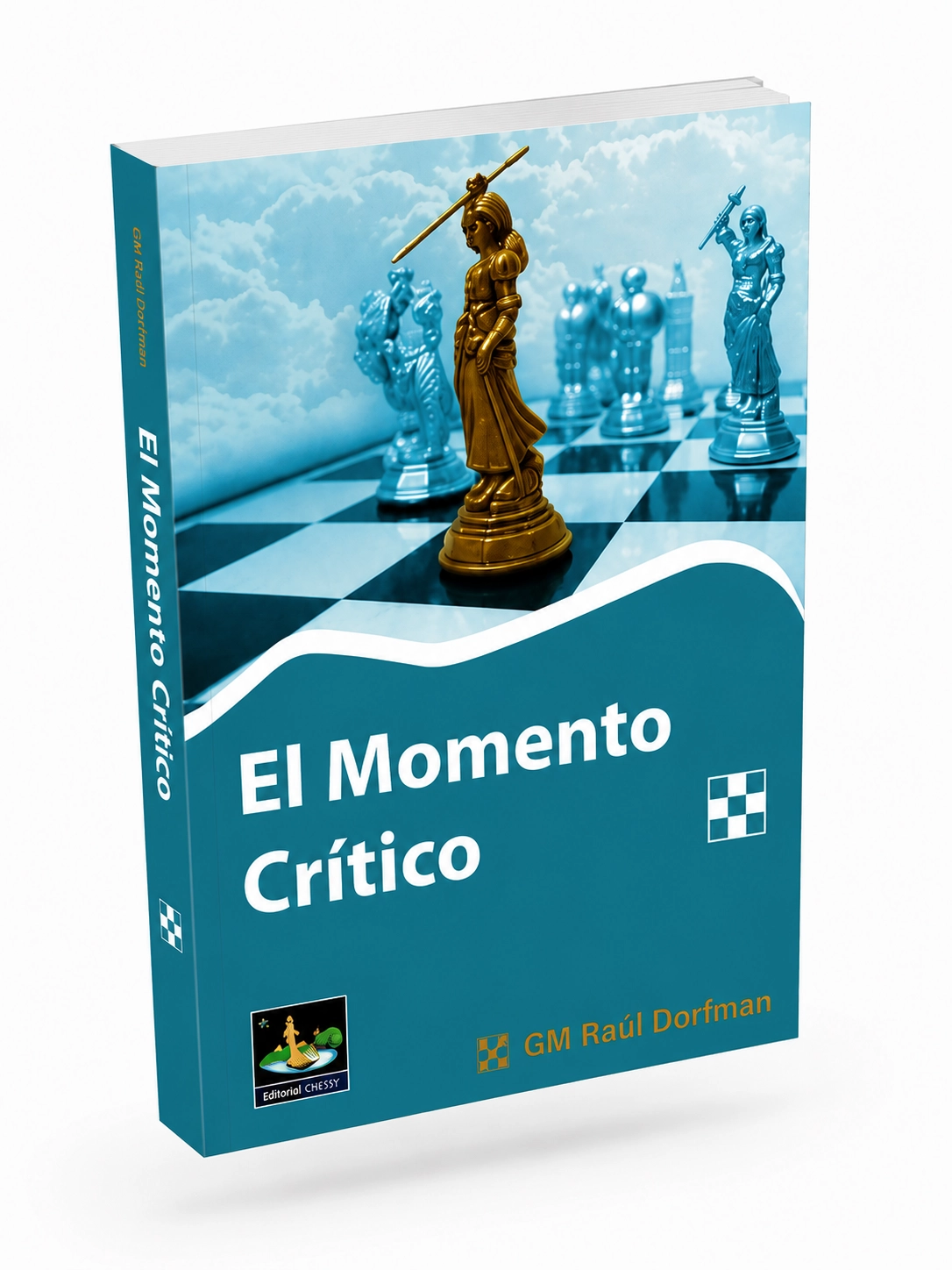
Description
♟️ What will you learn from this book?
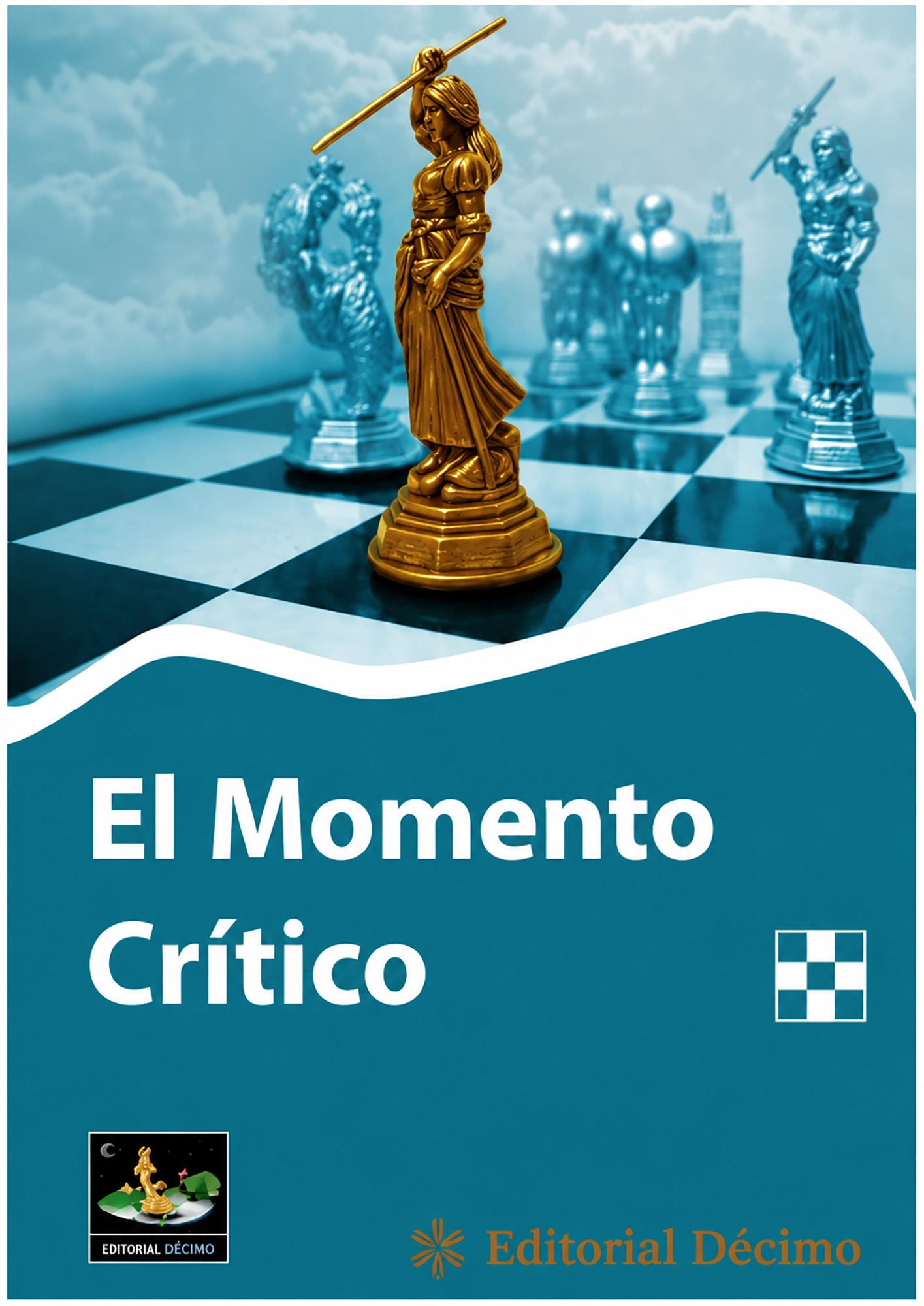
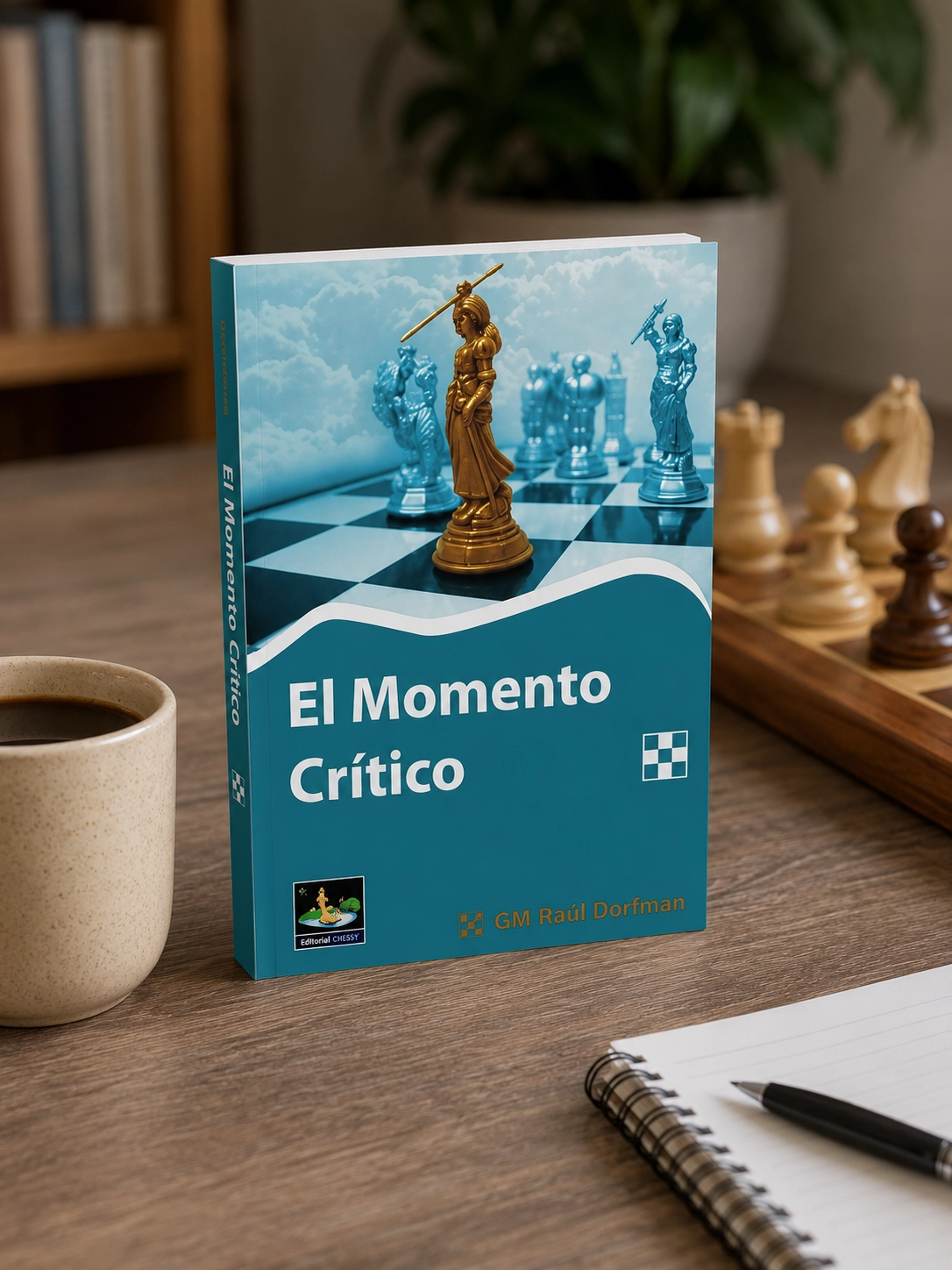
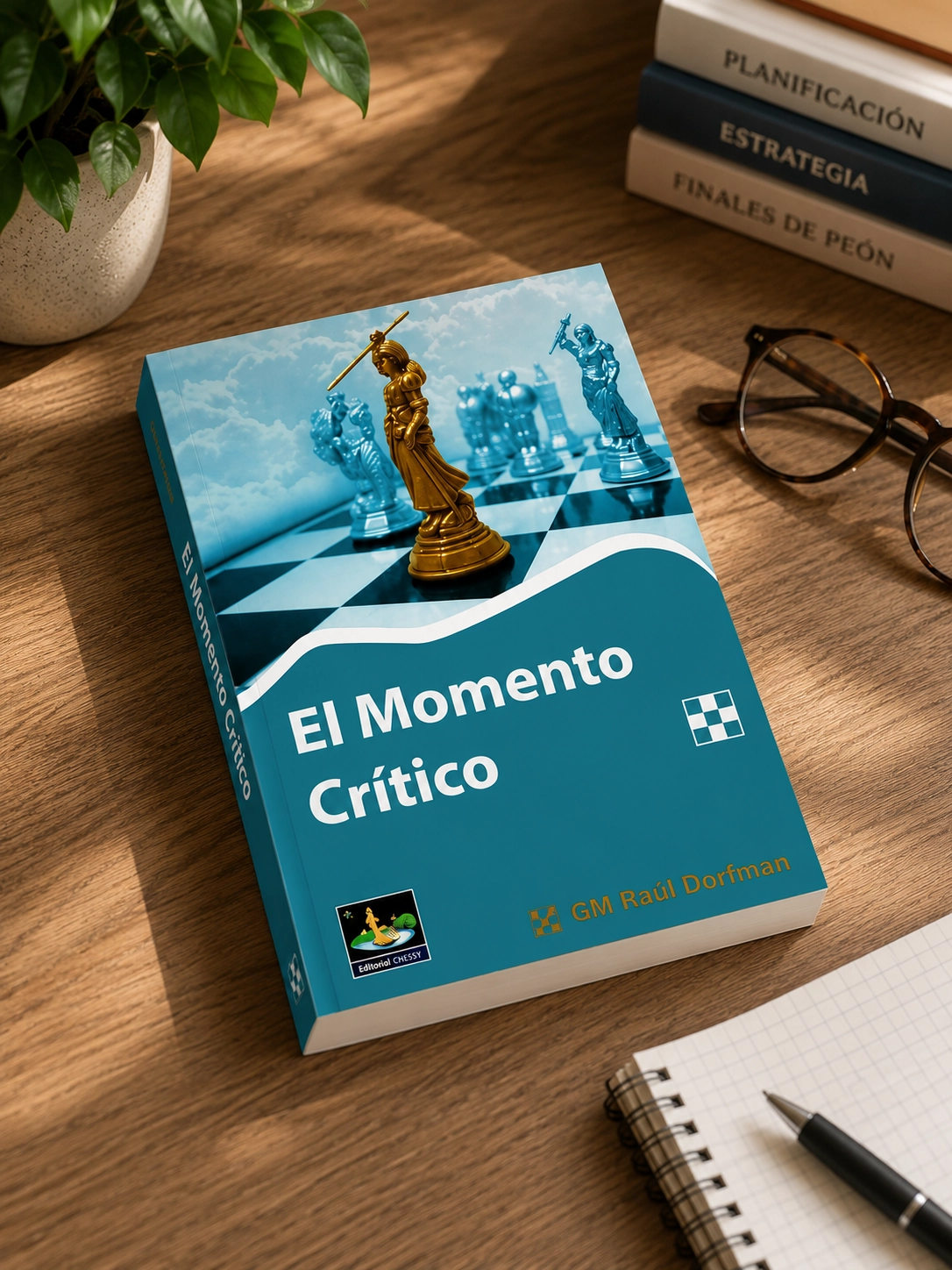
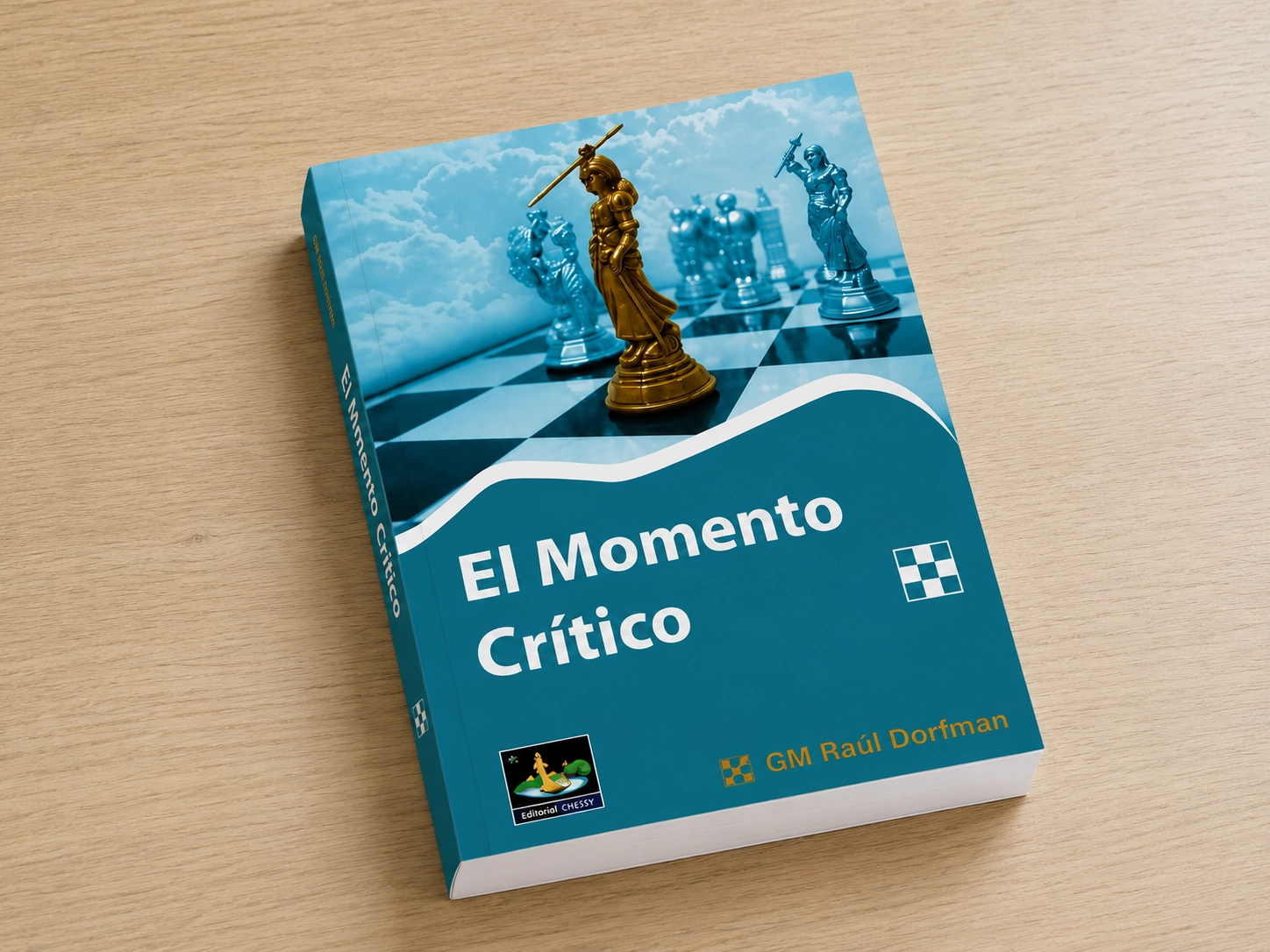
The critical moment in a game is the one where the evaluation changes irreversibly. It might be the moment the opponent’s king becomes exposed to an attack that didn’t exist before, or when a material exchange transforms the strategic nature of the position, or when a pawn advance creates a permanent weakness. The player who recognizes that moment as it arrives — and makes the right call — wins. The one who doesn’t misses opportunities that won’t come back.
🎯 Who is this book for?
- Intermediate and advanced players who lose superior positions by failing to recognize the exact moment to act
- Club players who see the critical moment clearly in post-game analysis but missed it during play
- Coaches looking for material on critical decisions in complex positions for advanced students
📖 What’s inside
Five thematic chapters covering the most common types of critical moments in tournament chess:
- Author’s preface
- Introduction: what a critical moment is and why recognizing it is the most decisive skill in medium-complexity positions
- The static king position: how to evaluate king safety before any concrete tactical threat exists
- The king can be attacked: the positional signals that indicate the opponent’s king can be attacked even without immediate tactical combination
- The safe haven concept: when and how to move the king to a more secure position
- Material exchanges: how to evaluate exchanges at critical moments
- Modifying the pawn structure: how to evaluate structural changes at critical moments
- Opening index
- Player index
📚 The static king position: the most valuable chapter
The chapter on the static king position is the most original and probably the most valuable in the book. It addresses something few chess texts work through rigorously: how to evaluate king safety in positions without immediate tactical threats. Most club players only consider king safety when there’s a concrete combination in play; strong positional players evaluate it constantly. This chapter teaches that evaluation systematically.
♟️ Why we recommend it at Chesscul
At Chesscul we recommend this book to intermediate students who lose points in positions where “”something was there”” but they couldn’t find it. The distinction between the static king position and king safety under concrete attack is one of the hardest positional skills to teach, and this book handles it with more clarity than any other available resource.
🔗 Recommended to pair with
- Attack and Defence: Jacob Aagaard on the principles of attack and defense underlying the critical moments analyzed in this book.
- Never Forget You Have an Opponent: Dvoretsky on preventive thinking — the defensive answer to the critical moments this book describes.






Reviews
There are no reviews yet