Description
♟️ What is this book about?
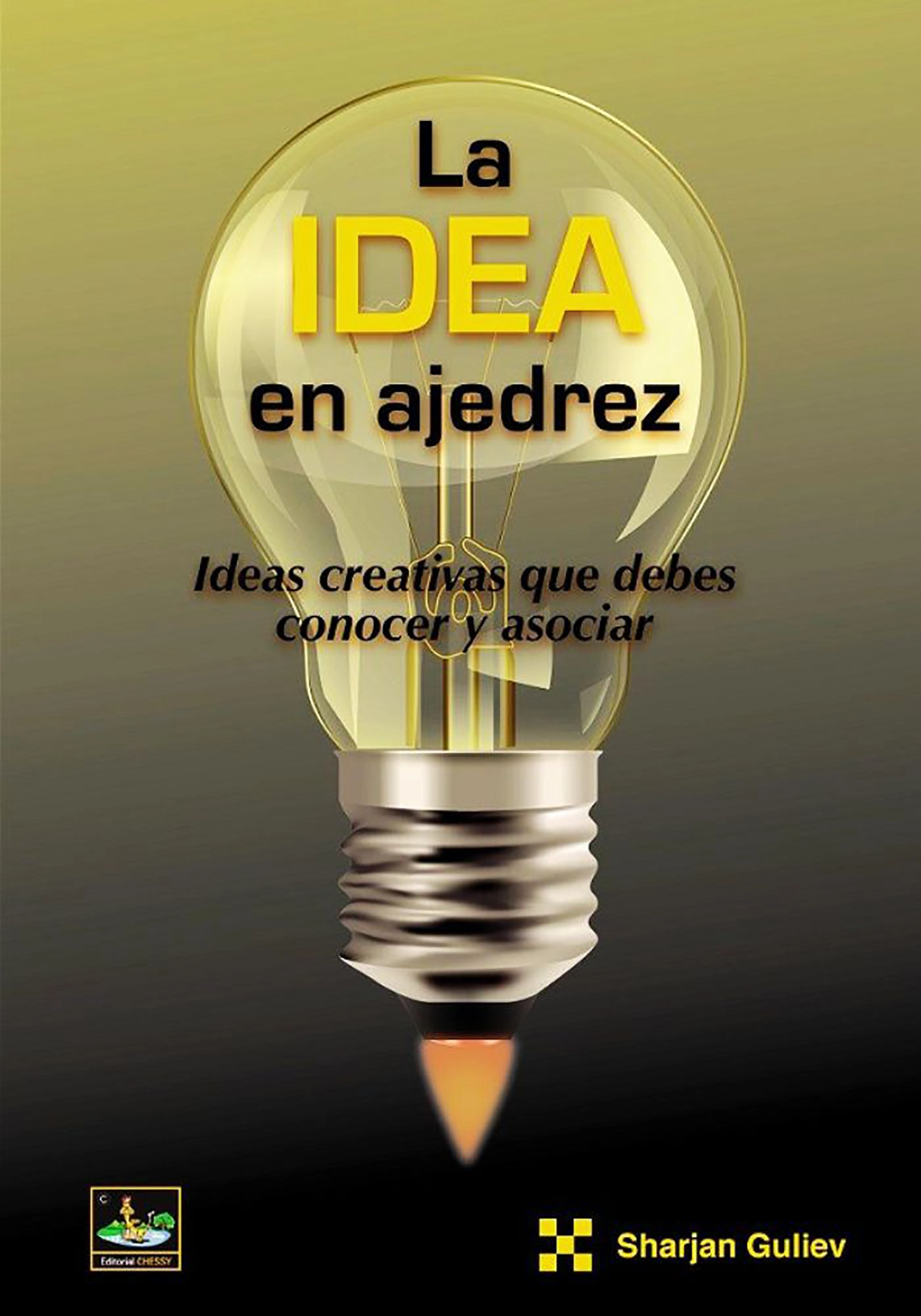
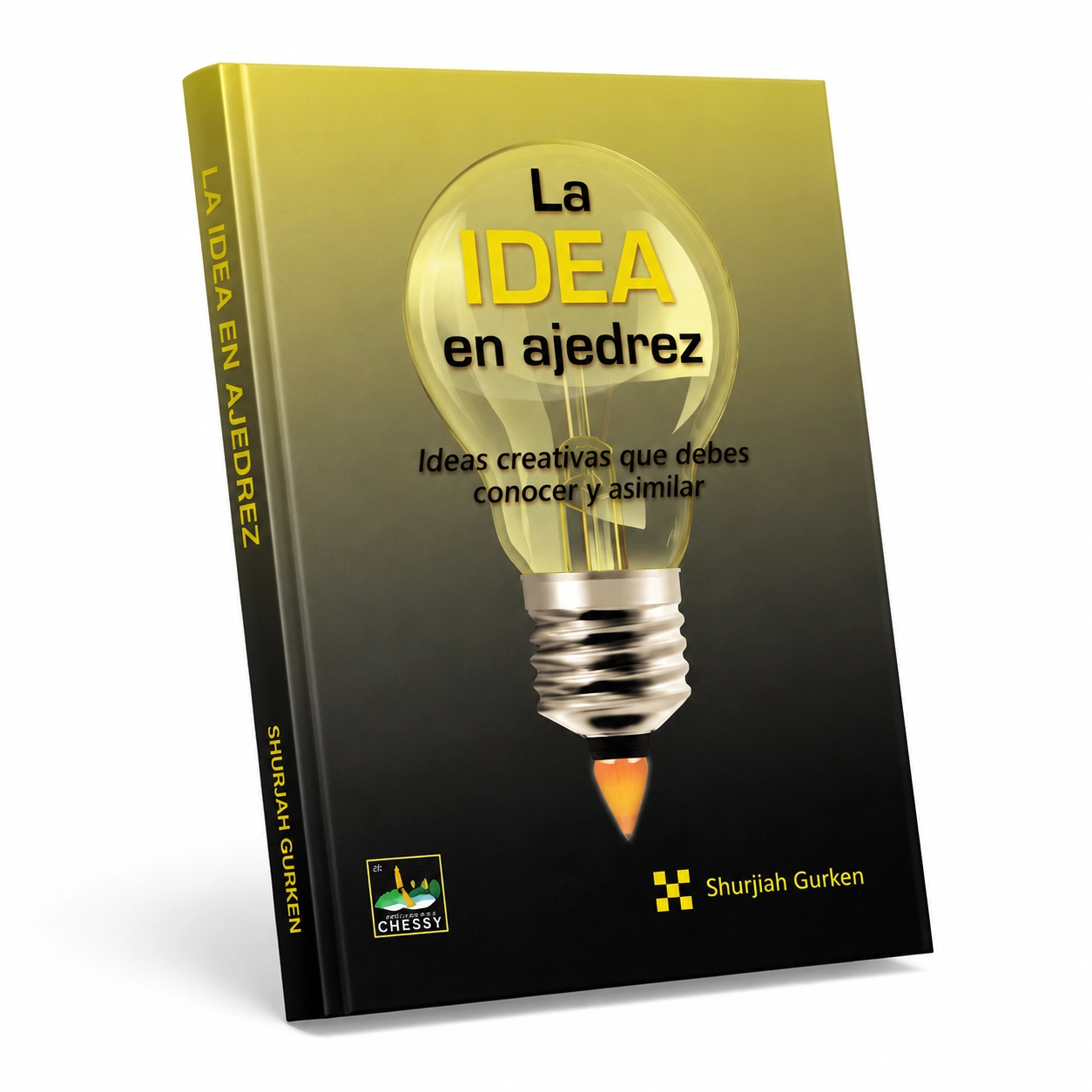
There’s a gap in most chess education between strategy and moves. Players learn strategic concepts — piece activity, pawn structure, king safety — but often don’t know how to translate those concepts into specific moves at the board. This book by GM Surjan Guliev addresses that gap directly: not the general strategic plan, but the concrete idea that carries it out — the specific move or sequence that converts strategic understanding into practical action.
🎯 Who is this book for?
- Intermediate players who understand chess strategy conceptually but freeze when trying to find the specific moves that implement a plan
- Players who win positional advantages and then don’t know how to convert them
- Coaches who want material specifically focused on the strategy-to-moves translation for intermediate students
📖 What’s inside
258 pages organized around the process of generating and executing middlegame ideas:
- How to identify the most important ideas available in a given position
- How to evaluate which idea is most appropriate for the current situation
- How to execute a strategic idea in a concrete move sequence
- The relationship between tactical and strategic ideas in the middlegame
- Common errors in idea generation: missing key ideas, focusing on the wrong factor
📚 The core concept: the idea vs. the plan
Guliev’s key distinction is between a plan — a general strategic direction — and an idea — the specific mechanism that advances that plan in the current position. Most chess instruction teaches plans; this book teaches ideas. That distinction has major practical consequences: the same plan can require different ideas in different positions.
♟️ Why we recommend it at Chesscul
At Chesscul we recommend this book to intermediate students who score well on tactical puzzles but underperform in strategic positions. The most common diagnosis for this pattern is the inability to translate strategic understanding into concrete moves.
🔗 Recommended to pair with
- Positional Decision Making in Chess: Gelfand and Aagaard show how elite players generate and evaluate ideas.
- Thinking Inside the Box: Aagaard’s three-question framework provides structure for the idea-generation process Guliev describes.



Reviews
There are no reviews yet