
Tactics in chess refer to a set of moves and combinations aimed at gaining an immediate advantage in the game, whether by winning material, improving the position, or delivering checkmate. Unlike strategy, which focuses on long-term plans, tactics are based on concrete calculations and short-range maneuvers.
Tactical players look for opportunities to exploit opponent mistakes, launch surprise attacks, and take advantage of piece coordination to achieve effective combinations. Mastering tactics is essential for progressing in chess, as many games are decided by precise tactical maneuvers.
Difference between Tactics and Strategy
Tactics and strategy are closely connected. Strategy sets long-term goals, while tactics allow those plans to be executed precisely (in the short term). For example, a strategic plan might involve weakening the opponent’s position, but to make it effective, tactics must exploit those weaknesses with concrete maneuvers. Both aspects are essential: strategy guides the game, and tactics turn those ideas into decisive actions on the board.
Tactical Themes in Chess
There are several tactical themes that can appear in games. Mastering these concepts helps identify tactical opportunities more efficiently. For beginners, it’s important to start by solving simple 1- or 2-move problems for each of these tactical themes, gradually progressing to more complex problems to improve chess skills. At Chesscul, we always provide our students with class materials for each of these tactical patterns to help them become complete chess players.
Let’s look at the most common tactical themes:
Sacrifice in Chess
A sacrifice in chess involves voluntarily giving up material (pawn, minor piece, rook, or even the queen) to gain a positional advantage, open attacking lines, or force mate. There are tactical sacrifices, which aim for immediate benefits, and strategic sacrifices, which offer long-term compensation. Famous examples include the bishop sacrifice on h7 against castling or exchanging a rook for a strong positional grip.
Learn more about the sacrifice in chess here.
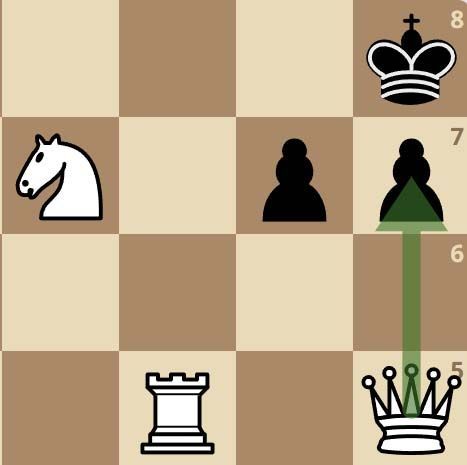
Discovered Check in Chess
A discovered check occurs when a piece moves, uncovering a hidden attack from another piece on the enemy king. This tactic is often devastating because the opponent must respond to the check, allowing the moving piece to create an additional simultaneous threat. In its most powerful form—the double check—both pieces attack the king at once, forcing it to move with no possibility of blocking.
Learn more about the discovered check in chess here.

Overloaded Piece in Chess
A piece is overloaded when it is responsible for defending multiple threats at once, making it unable to perform all its duties effectively. This tactical motif allows you to force a loss of material by compelling the piece to abandon one of its defenses. A common example is a queen protecting two pieces and being unable to save both after a precise attack.
Learn more about the overloaded piece in chess here.

Attraction in Chess
Attraction is a tactical maneuver where an enemy piece (usually the king or queen) is forced onto a disadvantageous square, leaving it exposed to a follow-up attack. A frequent example is luring the king onto a square where a mating net can be executed, often by sacrificing material to force its move.
Learn more about attraction in chess here.
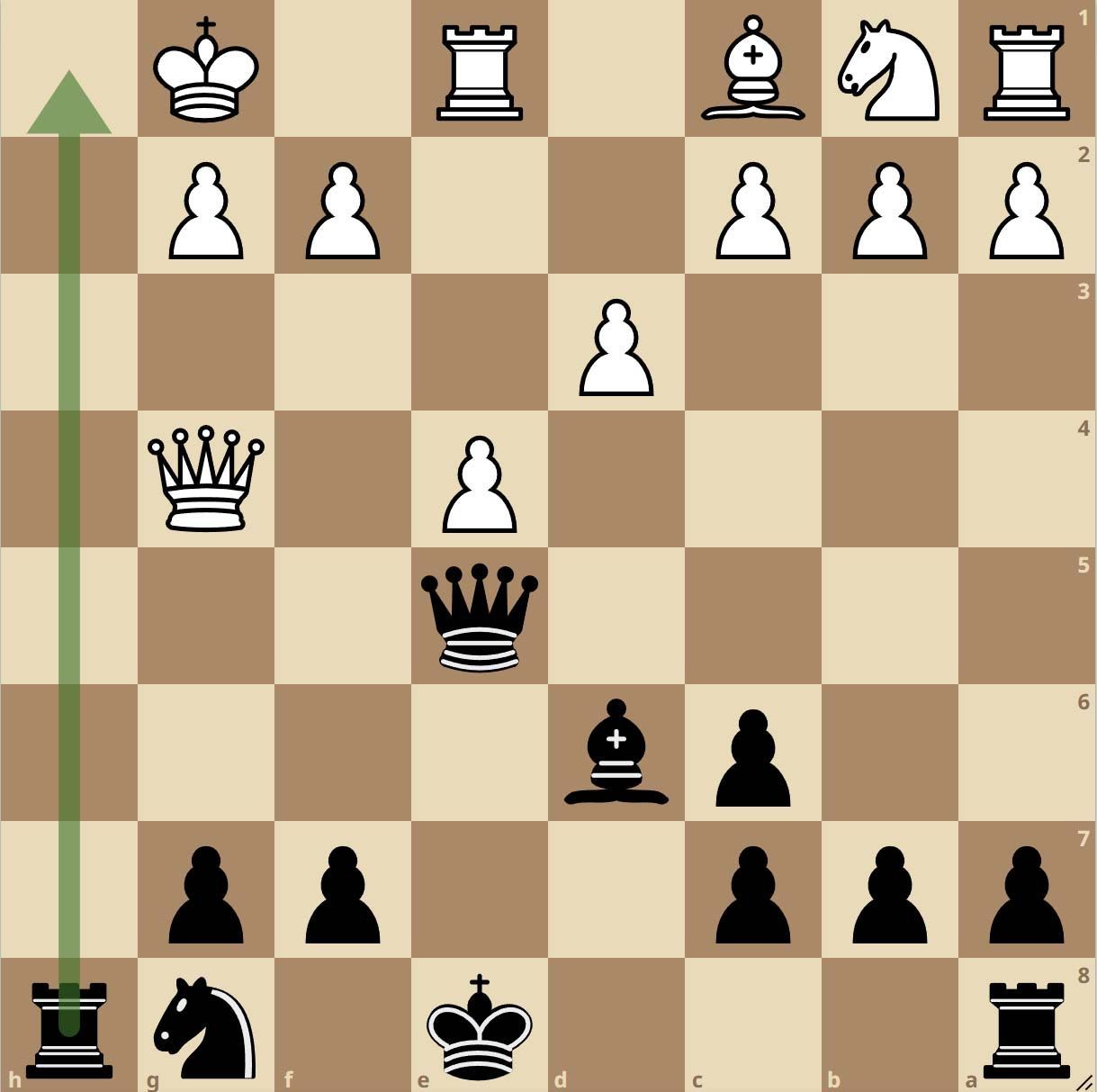
Deflection in Chess
Deflection is a tactic that forces an enemy piece to leave a key square—either to weaken a defense or to enable a winning combination. It’s commonly used against pieces defending the king, guarding another important piece, or blocking an attacking line. A well-calculated sacrifice can deflect a key defender and expose the opponent.
Learn more about deflection in chess here.

X-Rays in Chess
X-rays occur when a piece exerts influence over a square or another piece through an intervening piece. This can appear as indirect attacks, like a rook threatening a queen behind a pawn, or hidden defenses, like a bishop guarding a piece through another. This tactical motif creates positional pressure and subtle threats.
Learn more about X-rays in chess here.

Double Attack in Chess
A double attack happens when a piece simultaneously threatens two of the opponent’s targets, forcing them to lose material. This tactic can be performed with any piece, but it’s especially effective with knights, in which case it’s known as a “fork.” It can also be combined with checks or mating threats for greater impact.
Learn more about the double attack in chess here.

The Pin in Chess: Relative and Absolute
A pin is a tactic where a piece cannot move without exposing a more valuable piece behind it. There are two types:
- Absolute pin: The piece is completely immobilized because moving it would place the king in check.
- Relative pin: The piece can move, but doing so would result in a significant material loss.
Pins are often used to restrict the opponent’s mobility and prepare decisive attacks. Learn more about the pin in chess here.

Methods to Improve Tactical Chess
Tactical training is based on solving exercises, studying games by great tactical players like Mikhail Tal, and playing games focused on identifying combinations and opponent mistakes. Using online platforms or specialized books helps work on common patterns, and of course, having someone to guide your learning, as we do in our academy.
It’s also important to practice tactical calculation by visualizing variations without moving the pieces, in order to develop the ability to anticipate moves and execute accurate combinations. Personally, this is something I emphasize a lot with my students in group lessons. If you want me to help you improve your calculation and tactical skills in chess, don’t hesitate to reach out and join our classes at Chesscul. 😉
Are There Tactics to Beat Beginners at Chess?
If you’ve made it this far, you’ve probably figured out the answer. The truth is: it depends on the player. But as a general rule, no single tactical theme is enough to beat beginner players—and even less so advanced ones. So, our recommendation is to train in all aspects of the game, and within tactics, in all the basic tactical themes to truly raise your chess level.
We hope you enjoyed this article, and remember you can visit our official Chesscul blog to learn openings, endgames, and strategy for free. Also, if you’re highly motivated to improve your chess, you can try a class at our school totally FREE!


