

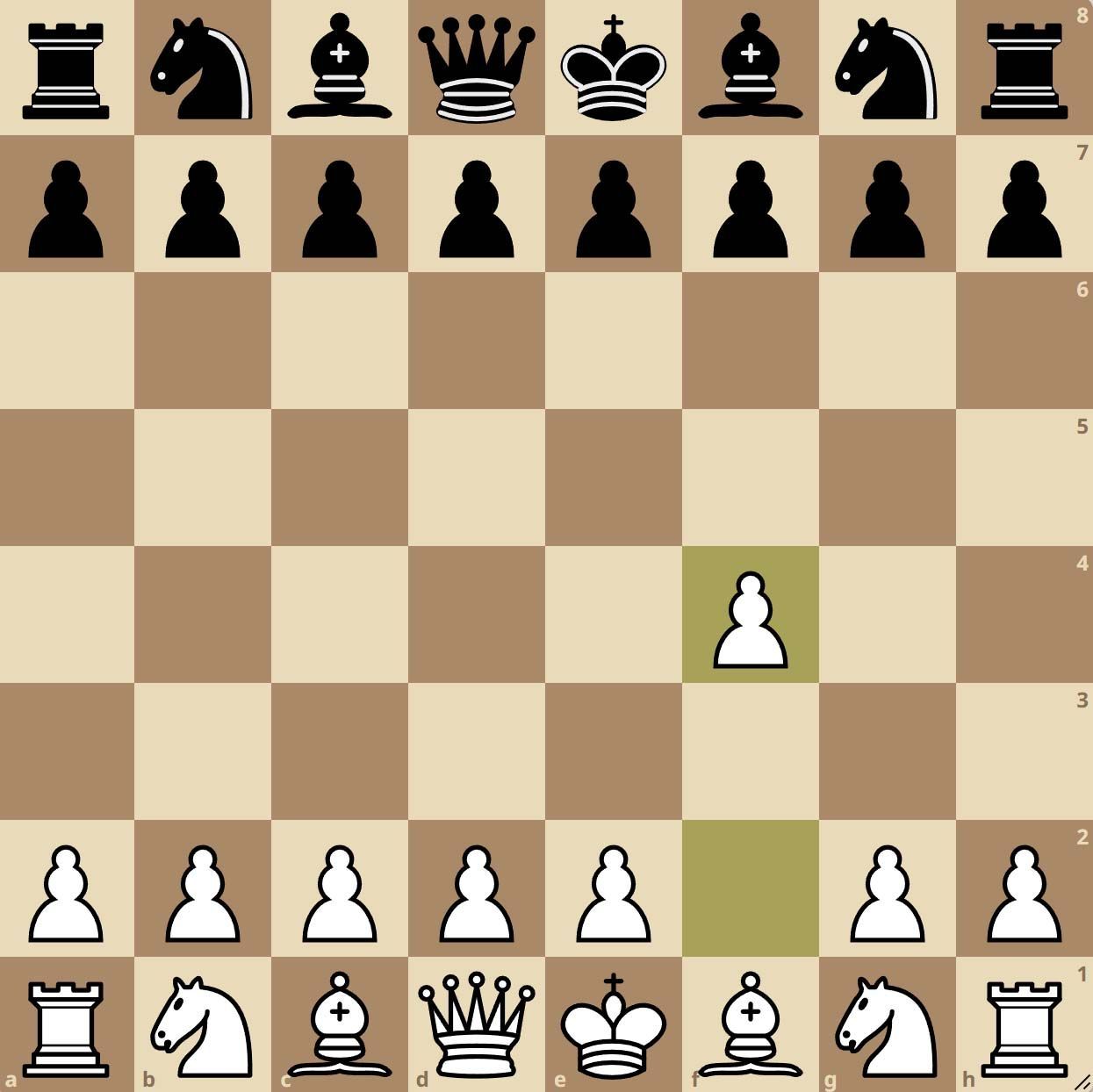
The Bird Opening is a chess opening characterized by the initial move 1.f4. This move aims to control the center of the board, especially the e5 square, and prepares a potential kingside attack. Although it is less common than other openings, it has been employed by notable players such as Bent Larsen and Henry Bird, from whom it takes its name.
Objectives of the Bird Opening
By employing the Bird Opening, White pursues several strategic objectives:
- Central control: The move 1.f4 seeks to influence the e5 square, establishing a presence in the center of the board.
- Flexible development: This opening allows for flexible piece development, facilitating the creation of solid pawn structures and the activation of the minor pieces.
- Kingside attacking possibilities: By advancing the f-pawn, White opens lines for their pieces, especially the rook and the light-squared bishop, which can lead to attacks on the kingside.
Variations of the Bird Opening
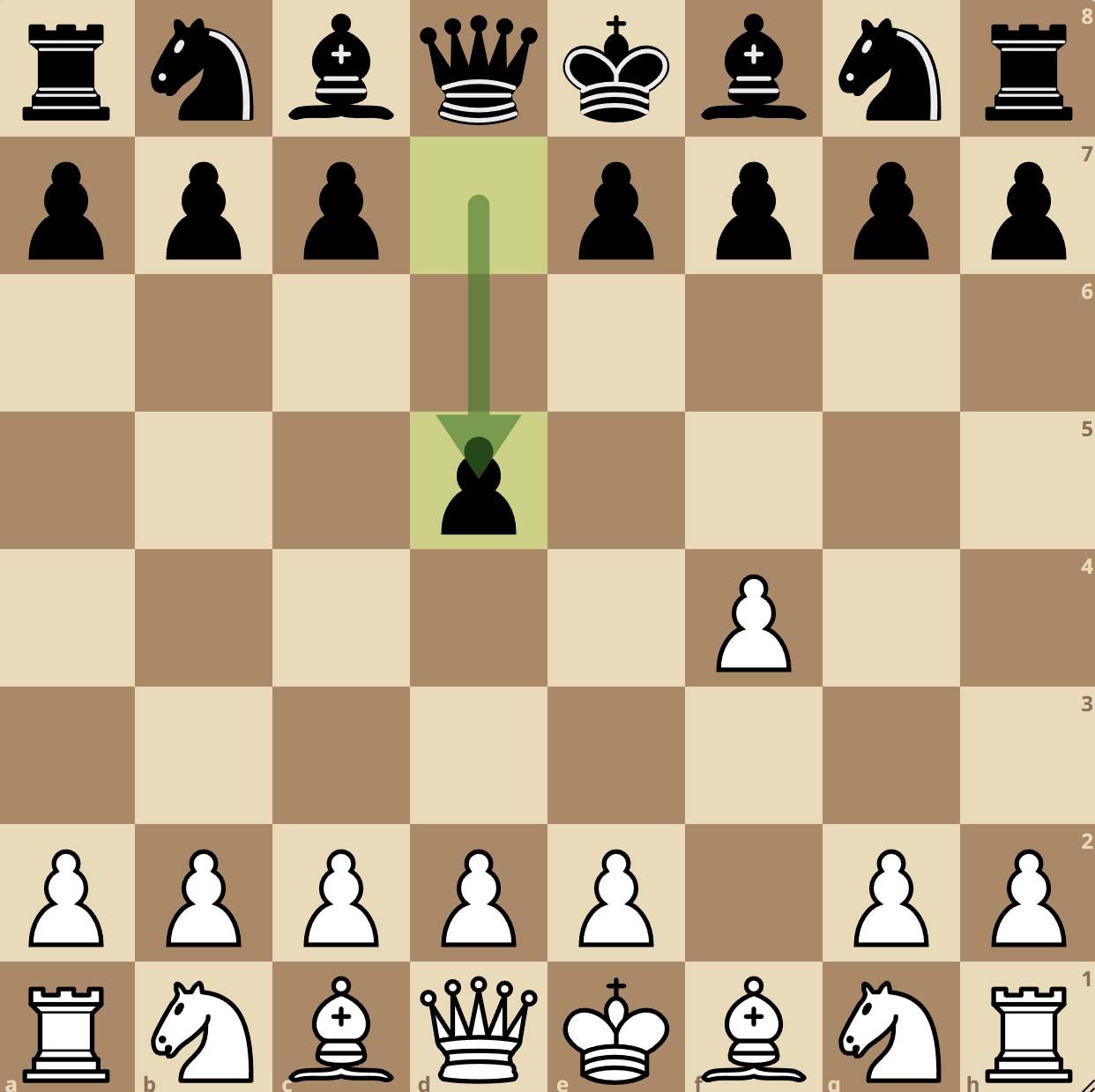
1. Main Line (1…d5)
Black’s most common response is 1…d5, which aims to challenge White’s central control and may transpose into structures similar to a reversed Dutch Defense. White can continue with 2.Cf3 to develop their pieces and prepare castling.
1.f4 d5 2.Cf3 Cf6 3.e3 c5 4.b3 Cc6 5.Ab2 Ag4
2. From’s Gambit (1…e5)
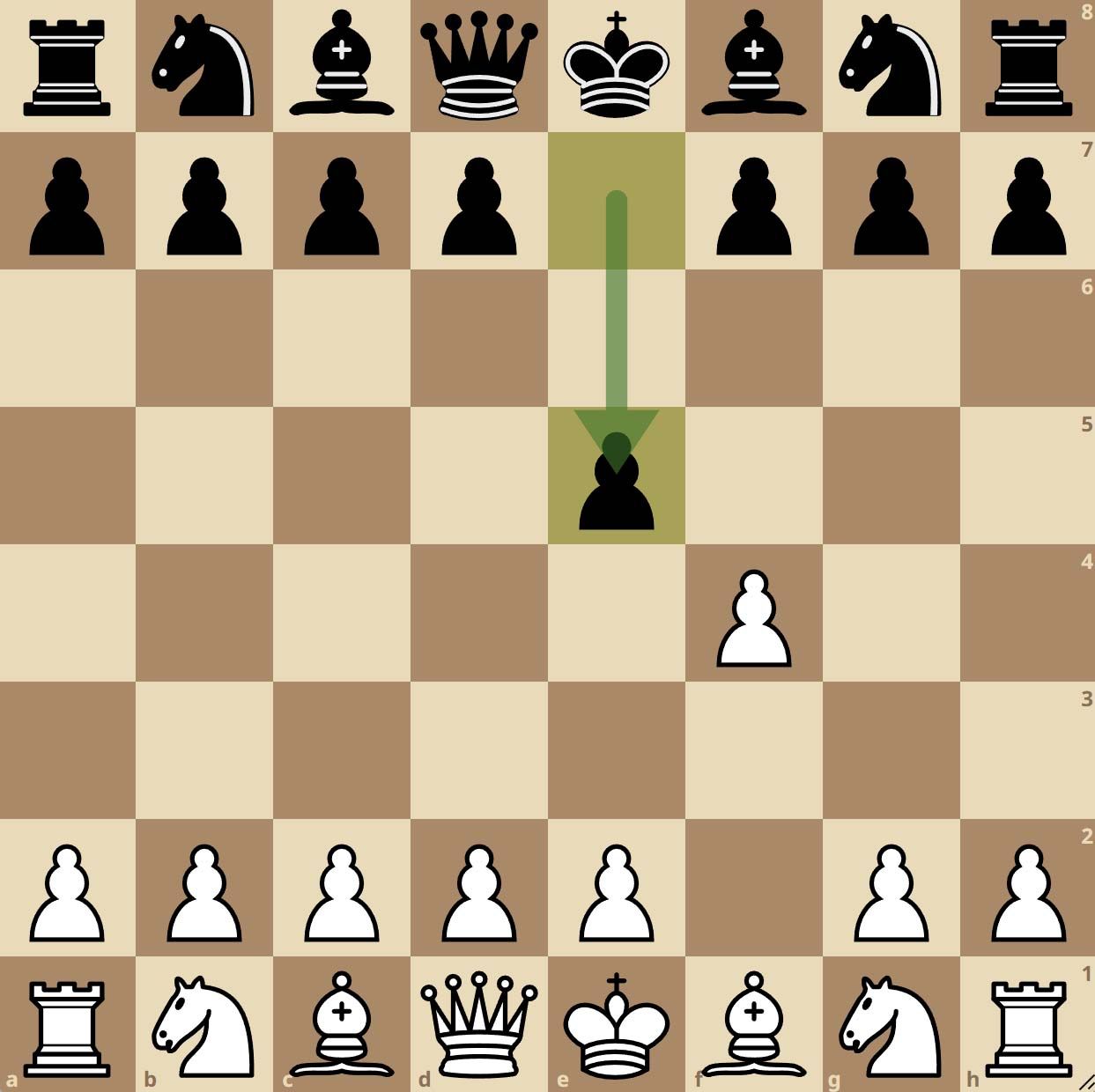
From’s Gambit is an aggressive response in which Black sacrifices a pawn to obtain rapid initiative and open lines against the White king. It is a risky option but can surprise unprepared players.
1.f4 e5 2.fxe5 d6 3.exd6 Axd6 4.Cf3 g5
3. Lasker Variation (1…d5 2.Cf3 Cf6 3.e3 c5)
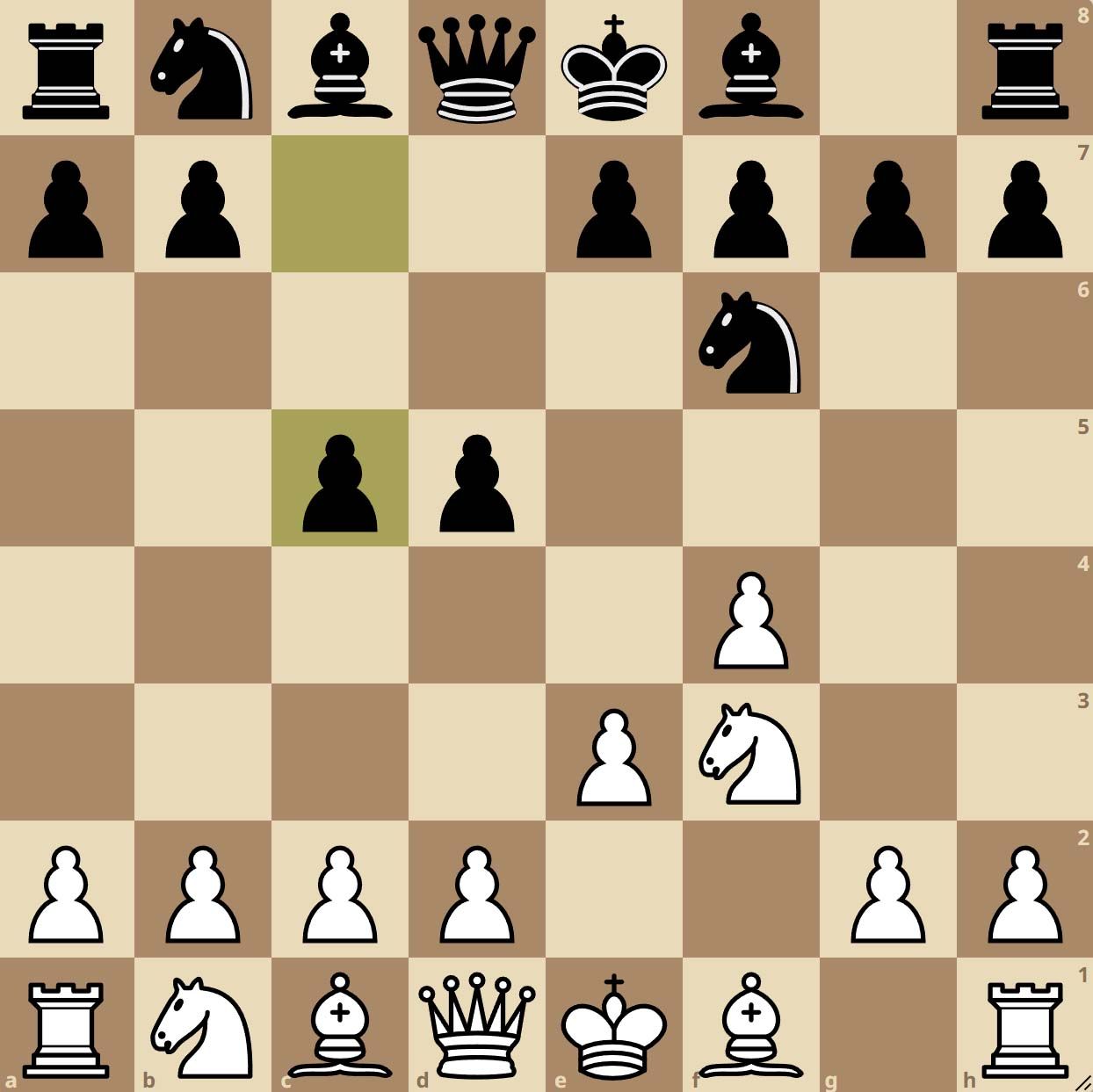
In this variation, Black develops their pieces naturally and seeks to counter White’s plan through central pressure and harmonious development. White must play accurately to maintain the initiative.
1.f4 d5 2.Cf3 Cf6 3.e3 c5 4.b3 Cc6 5.Ab2 Ag4
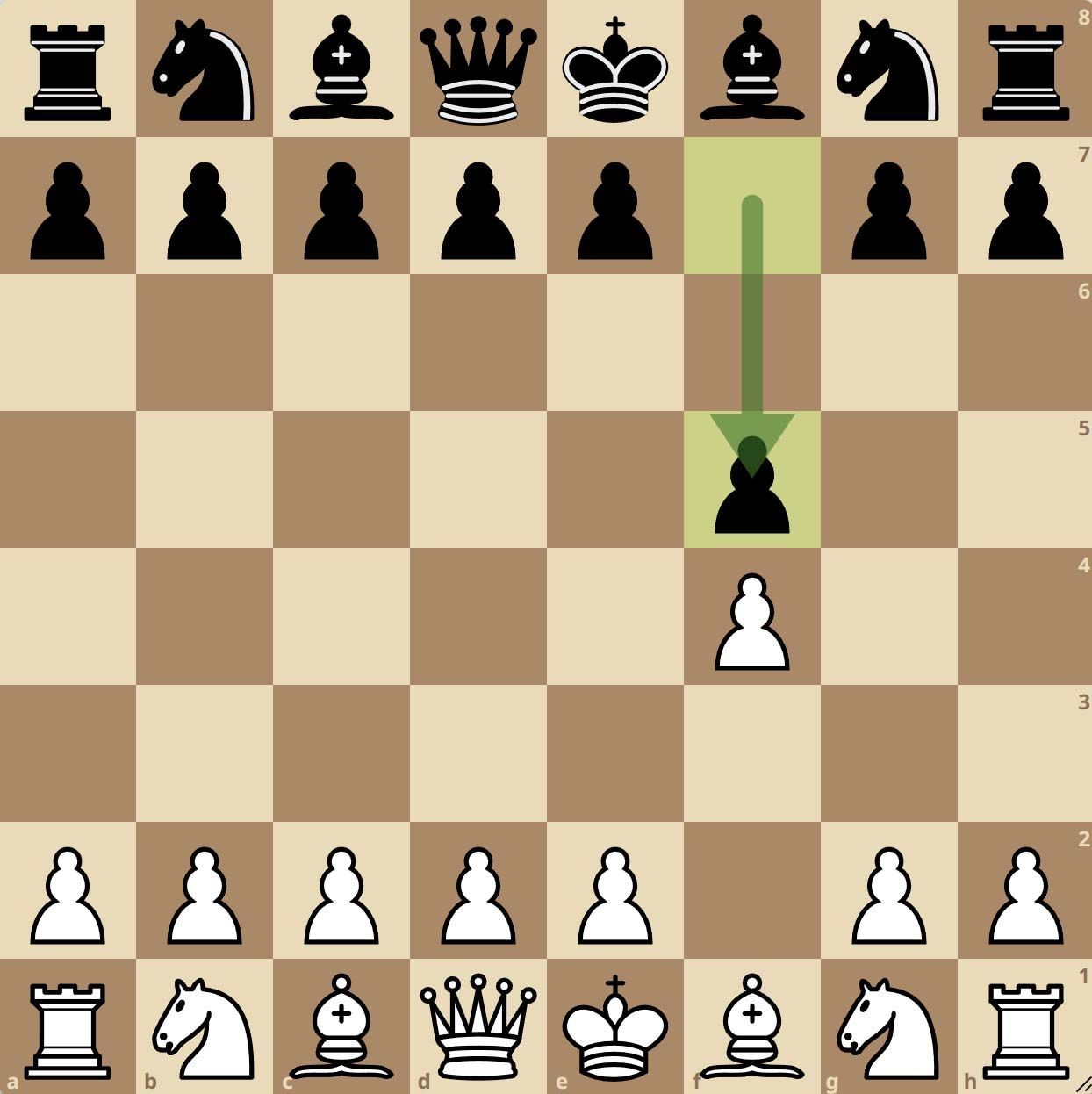
4. Swiss Gambit (1…f5)
The Swiss Gambit is a rare response in which Black seeks unbalanced and dynamic play, offering a pawn in exchange for rapid piece activity. White can accept the gambit and try to consolidate their material advantage.
1.f4 f5 2.e4 fxe4 3.Cc3 Cf6 4.g4
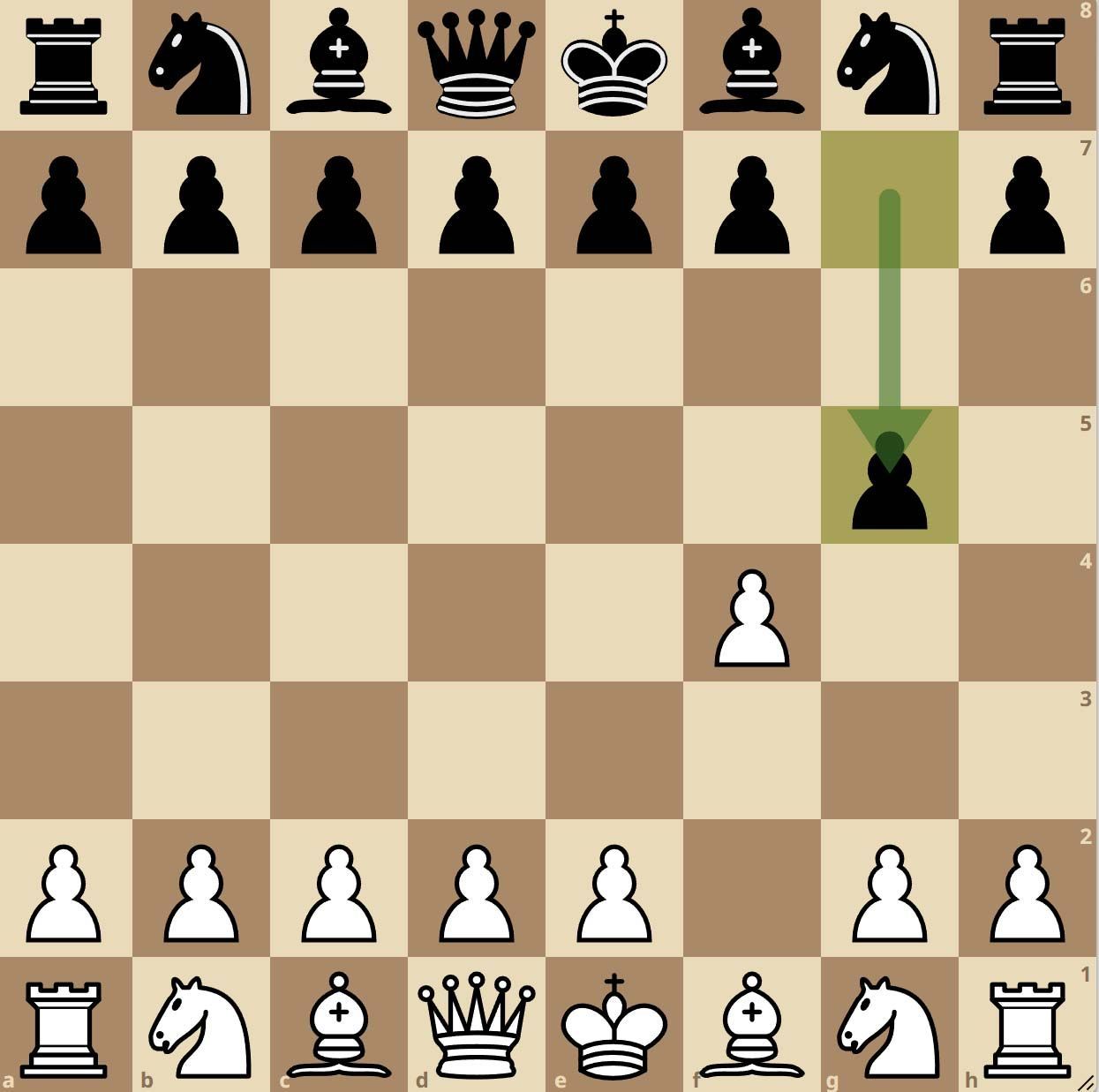
5. Hobbs Gambit (1…g5)
The Hobbs Gambit is an unusual and aggressive response in which Black attempts to destabilize White’s pawn structure from the very beginning. If White accepts the gambit, they must be cautious of potential tactical threats that may arise.
1.f4 g5 2.fxg5 h6 3.g6 fxg6
Comparison of the Main Variations
| Variation | Advantages | Disadvantages |
|---|---|---|
| Main Line (1…d5) | Solid development and central control | May transpose into positions well known to Black |
| From’s Gambit (1…e5) | Aggressive play and early destabilization | Requires precision; if White defends accurately, they may gain an advantage |
| Lasker Variation (1…d5 2.Cf3 Cf6 3.e3 c5) | Harmonious development and central pressure | White must be prepared to face a solid defense |
| Swiss Gambit (1…f5) | Dynamic and unbalanced play | If White accepts the gambit and defends correctly, they can gain a material advantage |
| Hobbs Gambit (1…g5) | Disrupts White’s pawn structure | Considered risky; accurate play by White can lead to a superior position |
Tips for Playing the Bird Opening
To make the most of the Bird Opening, consider the following tips:
- Central control: Although 1.f4 aims to influence the center, it is crucial to support this initiative with moves such as e3 or d4 to consolidate the structure.
- Avoid overextension: While the Bird Opening can lead to aggressive positions, you should avoid pushing pawns too quickly without proper development.
- Be careful on the kingside: Advancing the f-pawn early can leave the king exposed to attacks if it is not properly protected with timely castling.
Conclusion
The Bird Opening is an interesting and flexible option for White, allowing harmonious development and kingside attacking chances. Although it is not the most popular opening, its versatility and aggressive character can surprise opponents. Studying its variations and understanding its plans is key to playing it successfully.
If you want to learn more about the Bird Opening, its lines, and its middlegame plans, sign up for our online chess school, where we offer the first lesson FREE!


