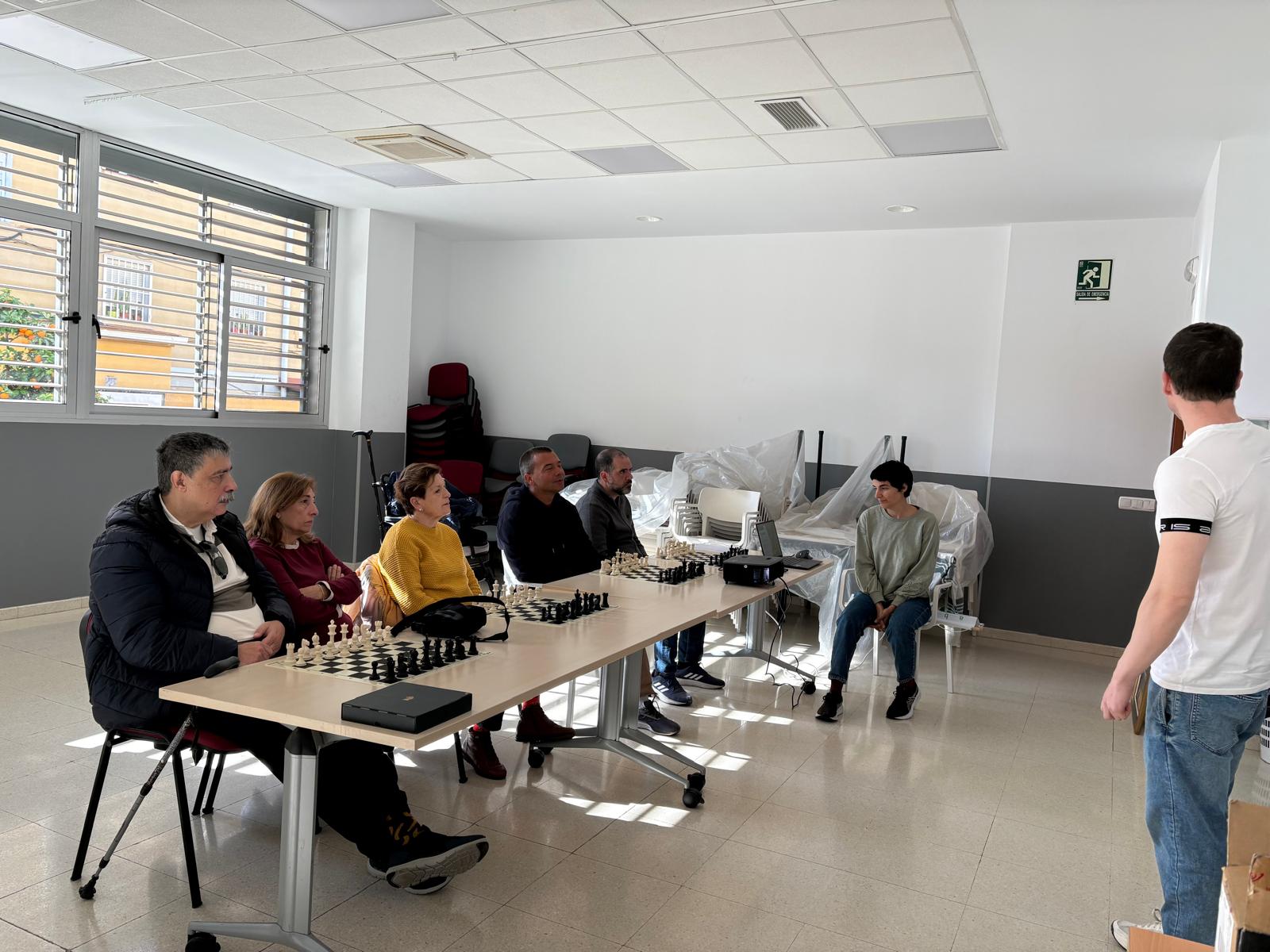

Chess is a game that combines strategy, concentration, and creativity, and it has proven to offer benefits that go beyond entertainment. In this article, we will explore how chess can be a valuable tool for people with multiple sclerosis, focusing on its positive effects on a physical, mental, and social level.
What is multiple sclerosis?
Multiple sclerosis (MS) is a chronic disease of the central nervous system that affects the brain and spinal cord. This condition is unpredictable and manifests differently in each person. Some of its most common symptoms include:
- Chronic fatigue: A feeling of extreme exhaustion.
- Motor difficulties: Problems with coordination and balance.
- Cognitive changes: Memory loss, difficulty concentrating, or planning.
- Visual problems: Blurred vision or partial loss of sight.
These symptoms can make daily activities more difficult, which makes it essential to find strategies to improve the quality of life of those living with this disease.
Benefits of chess for people with multiple sclerosis
Chess, as an activity that stimulates both the mind and the body, offers numerous benefits that can be particularly useful for those facing the challenges of multiple sclerosis.
1. Stimulates cognitive functions
Multiple sclerosis can affect functions such as memory, attention, and planning. Chess is an excellent way to keep the brain active, since it:
- Improves memory: Remembering moves, rules, and strategies trains both short-term and long-term memory.
- Encourages problem-solving: Designing strategies during the game challenges critical thinking and decision-making.
- Increases concentration: Staying focused on the game helps improve sustained attention.
2. Reduces stress and improves mood
MS can cause anxiety and depression due to its debilitating symptoms. Chess can be an escape route and a way to:
- Relax the mind: By focusing on the game, worries can take a back seat.
- Improve self-esteem: Overcoming challenges on the board creates a sense of achievement.
- Promote emotional well-being: Friendly games offer an opportunity for enjoyment and social connection.
3. Encourages neuroplasticity
Chess stimulates neuroplasticity, which is the brain’s ability to adapt and form new connections. This is especially relevant for people with MS, since it:
- Helps compensate for the areas of the brain affected by the disease.
- Strengthens communication between different parts of the brain.
4. Supports motor control
Although chess is not an intense physical activity, moving the pieces on the board can be beneficial for improving fine motor skills. It helps to:
- Develop hand-eye coordination.
- Improve precision in movements, an aspect that may be affected by the symptoms of MS.
Social isolation is a common problem in people with MS. Playing chess, either in person or online, offers opportunities to interact with other people. This social connection can:
- Reduce the feeling of loneliness.
- Strengthen support networks.
- Provide a shared activity with family and friends.
Studies and evidence
Research on the benefits of chess for people with neurological diseases, such as MS, supports its positive impact. Some findings include:
- Improvements in cognition: Studies have shown that activities such as chess can slow the cognitive decline associated with MS.
- Improved quality of life: Participating in intellectual activities improves overall well-being.
- Positive emotional impact: Strategy games reduce stress and encourage a positive attitude.
As a physiotherapist, I consider this especially relevant. I will not add the studies so as not to overload the article, but it is only necessary to perform searches in popular medical databases such as PubMed to obtain results on this topic.
Our goal
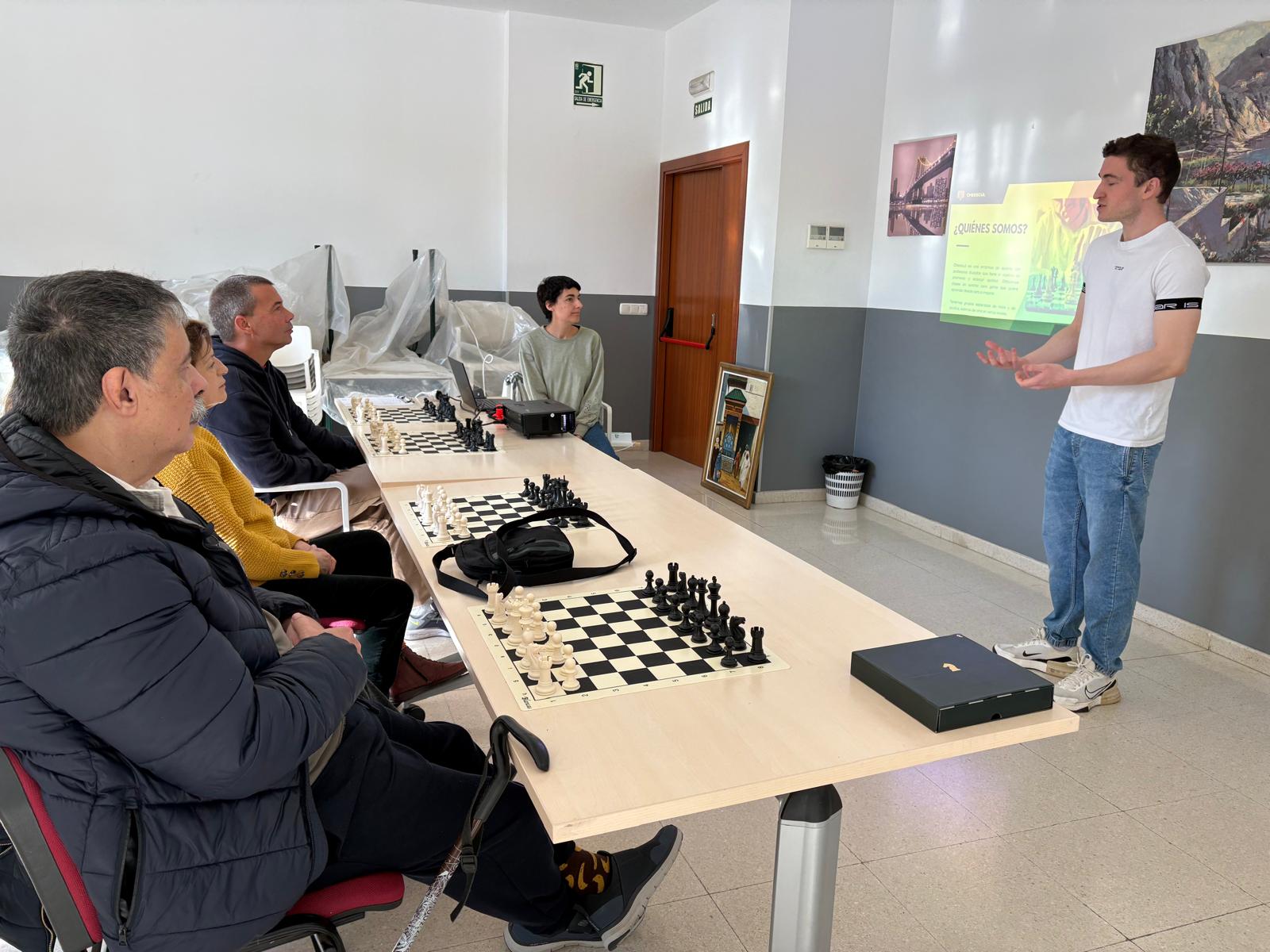
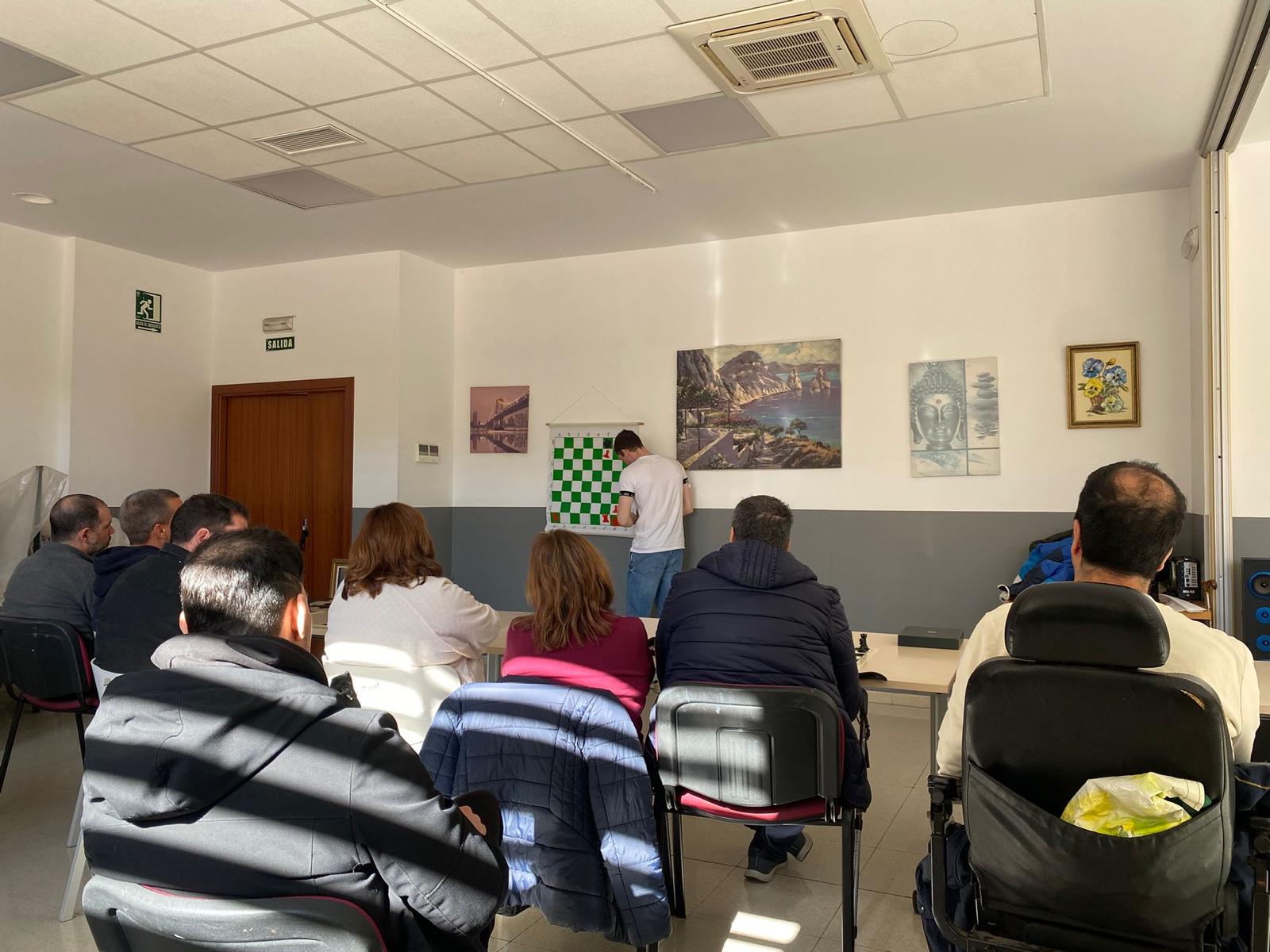
Although further research is still needed to confirm the preventive or therapeutic impact of chess in this field, we are convinced of its enormous potential. At our chess school, Chesscul, we are already developing initiatives that explore its benefits. We are currently carrying out workshops focused on analyzing the role of chess in people with Multiple Sclerosis and its possible usefulness as a therapeutic tool.
These activities, which are being carried out at ASPAEM, are aimed at stimulating cognitive functions, improving memory through the practice of moves, and encouraging concentration. In addition, they help combat social isolation by offering a space for interaction and emotional support, among other benefits. Our goal is to maintain this initiative with the purpose of analyzing the effect of chess and the specific benefits it can provide to people with multiple sclerosis.
In addition, we also offer online classes so that people from anywhere can access our lessons, so if you are interested in starting this activity with a chess school that currently stands out in the multiple sclerosis sector, such as Chesscul, we encourage you to write to us with no obligation 😊