

The chessboard is the battlefield on which this legendary game is played. A good chessboard enhances the playing experience and can also serve as a decorative or collector’s item. In this article, we explore in depth what a chessboard is, its characteristics, how the squares are arranged, and the different types of boards and pieces available.
What is the chessboard?
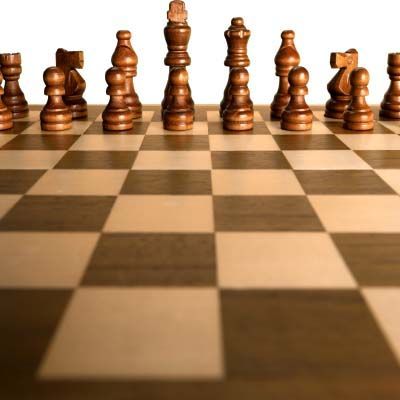
A chessboard is a grid of 64 squares arranged in an 8×8 pattern. The squares alternate in color, usually black and white or other contrasting shades, to ensure clear visibility. The alternating dark and light squares follow a specific layout.
Setting up the board correctly is fundamental. Each player places their pieces on the two closest ranks (rows 1 and 2 for white, 7 and 8 for black). Knowing the board layout and how to orient it correctly is crucial for playing properly.
Characteristics and dimensions
The standard size of a chessboard varies depending on its purpose, but for official tournaments, the recommended size is 50 x 50 cm, with each square measuring approximately 5 cm. This ensures visibility and enough space between the pieces. Other common sizes include 45 x 45 cm and 40 x 40 cm, but the 50 x 50 cm board remains the most popular.

Squares on the chessboard
The chessboard consists of 64 squares: 32 white and 32 black. The squares are labeled using letters and numbers (columns from “a” to “h” and rows from “1” to “8”), creating a coordinate system used for move notation and game recording. This system, known as algebraic notation, is the international standard.
Notation and coordinates in chess
Each square on the board corresponds to a coordinate, with columns labeled a-h and rows labeled 1-8. For example, the bottom-left square is “a1” and the top-right is “h8”. This system allows players to communicate moves clearly and study games effectively.
Find out more about chess notation.

Materials and types of chess boards
There are many types of chessboards, made from different materials to suit various preferences and styles. Below are some of the most common types:
Wooden chess board
The wooden chessboard is one of the most traditional and popular types. These boards can be made from simple woods like pine or more luxurious options like ebony or rosewood. Wood offers durability and a classic aesthetic.
- Handcrafted wooden boards: These are individually made with unique designs, popular among collectors.
- Professional wooden boards: High-quality boards often feature marquetry or inlaid designs and a polished finish.

Plastic chessboard
Plastic boards are an affordable and practical option, perfect for beginners or outdoor play. They are lightweight and easy to transport, and many models are either magnetic or foldable.
- Magnetic board: Ideal for travel, as the pieces stick to the board and won’t shift during movement.
- Foldable board: Convenient and compact, making it great for schools or casual games.

Electronic chessboards
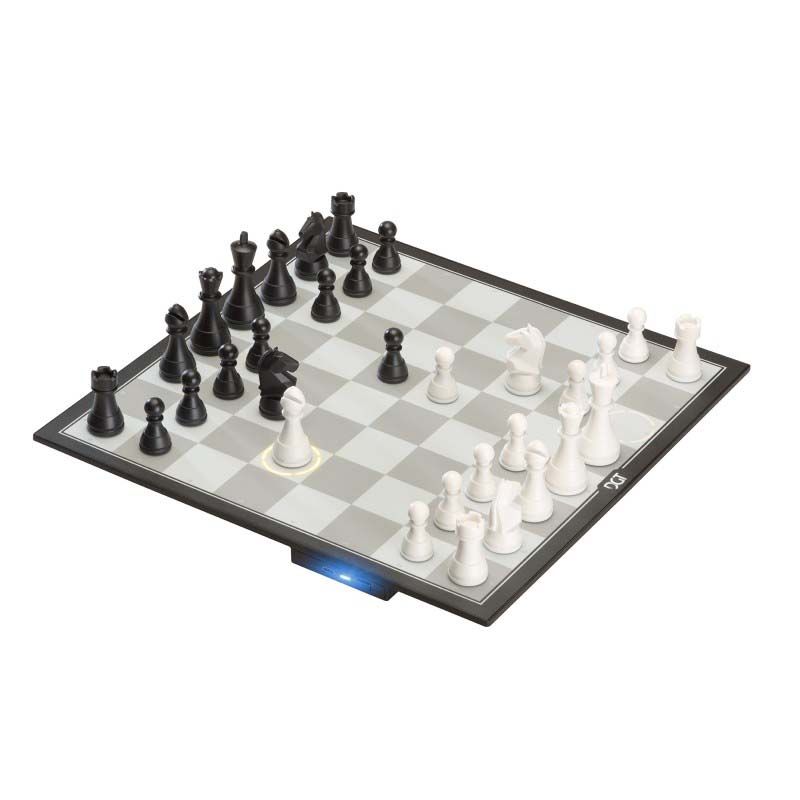
Electronic boards are advanced tools that connect to digital devices, allowing for real-time gameplay and analysis. Some models feature automatic move recording, which is especially useful for training and review at a higher level.
Deluxe chess boards
These boards are intended for decorative or collector use. They are made from premium materials such as marble, glass, or exotic woods, and are typically used for display or special events. Due to their cost and delicacy, they’re rarely used for everyday play.

Types of chess pieces: Staunton and other models
The most common pieces used in tournaments are Staunton pieces, known for their classic and functional design. There are different sizes, but the most popular at the professional level are:
Staunton 5 and Staunton 6
- Staunton 5: A popular model among amateurs and beginners, with a king height of approximately 8–9 cm.
- Staunton 6: The standard size used in official tournaments, featuring a king height of about 9.5 cm. It pairs best with 50 x 50 cm boards.

Other special parts
Aside from the Staunton style, other types of chess pieces include:
- Magnetic pieces: Designed for magnetic boards, with small magnets on the base to hold them in place.
- Luxury pieces: Often handmade, these can be crafted from marble, glass, or metals such as brass, and are intended for display or high-end sets.
- Alabaster pieces: Unique and highly decorative, these are favored for collections and aesthetic sets.

Folding and roll-up chessboards
Folding boards are a practical choice for players who frequently travel. These can be made from wood, plastic, or synthetic materials. Some are even rollable, making them easy to store and carry in a backpack.
Folding magnetic boards
These combine the portability of a foldable board with the added benefit of magnetic pieces that stay in place during transport. They are perfect for playing outdoors or while traveling.
How to choose the best chessboard?
When selecting a chessboard, it’s important to consider your needs, budget, and preferences. Here are some helpful tips:
- Material: If you want a durable, elegant option, go for a wooden board. For something lighter and more convenient, choose plastic or magnetic.
- Board and piece size: For tournaments, opt for a 50 x 50 cm board with Staunton size 6 pieces. For casual games, smaller sets are perfectly fine.
- Portability: If you need to travel with your set, look for a foldable or roll-up board.
Conclusion
The chessboard is a fundamental element of the game, and choosing the right one can greatly enhance your experience. Whether you’re drawn to handcrafted wood, prefer something lightweight and foldable, or want a deluxe collector’s item, there is a board for every type of player. Whether you’re preparing for tournaments, practicing at home, or building a collection, investing in a good chessboard is always worthwhile.
And if you want to keep learning and improving your chess, join our online chess school. The first class is completely FREE!


