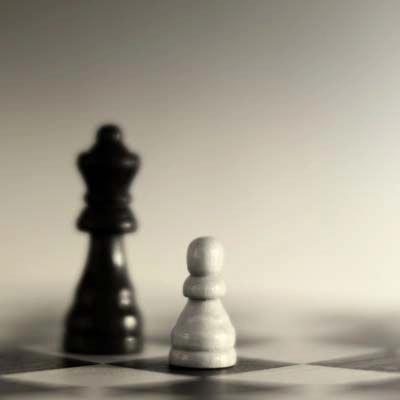
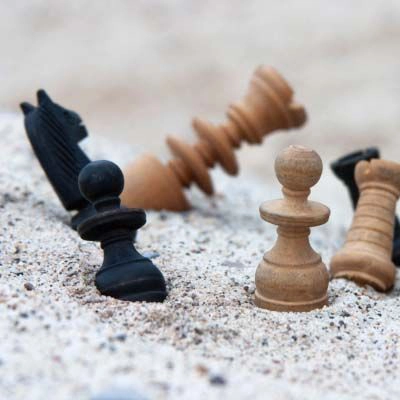
Are you aggressive at the board? Or do you prefer to play calmly, wait for mistakes, and maneuver? Do you launch an attack, or calculate every step with caution? Many times we ask ourselves: do I play this way because I am this way? In this post, we explore whether chess really is a mirror of your character. Because at Chesscul we know that, beyond technique, chess is also a form of personal expression.
Chess as a reflection of how you think
Your playing style often reveals how you process information, how you handle uncertainty, and how you make decisions. For example:
- Very logical and structured players tend to prefer solid setups, closed positions, and long-term plans.
- Those who enjoy creativity and risk feel comfortable in tactical, unbalanced, or chaotic positions.
- Patient players often handle long endgames, strategic transitions, and quietly waiting for the opponent’s mistake very well.
- Those with a more impulsive personality sometimes take too many risks… even when it isn’t necessary.
Is this good or bad? Neither. It is simply a natural reflection of who you are at that moment.
Can you change your style or chess personality?
Absolutely. Even if your character influences how you play, that doesn’t mean you are tied to it. Chess also transforms you:
- An impulsive player can learn to pause and calculate more deeply.
- An insecure person can gain confidence by making good decisions under pressure.
- A very rigid mind can benefit from the chaos of a dynamic position.
Chess doesn’t only reflect your character, it also helps shape it. Playing and training with awareness can help you develop patience, self-control, courage, or critical thinking.
How to discover your personal playing style
To see whether your play reflects your character, start by observing. Some useful questions:
- What types of positions do you enjoy most?
- What decisions do you tend to repeat? (quick attacks, simplifications, sacrifices, etc.)
- In what situations do you usually make mistakes? When rushing? Out of fear?
- How do you handle equal games or sudden shifts?
With these answers, you can start to map your style and connect with your psychological profile as a player.
What if my character limits me as a chess player?
Don’t worry. We all have weak points, but also resources. The important thing is not to fit into an “ideal type,” but to expand your emotional and strategic repertoire. And for that, you need self-awareness… and training.
What chess teaches you about yourself
When you play an intense game, many things show up that are also present in everyday life: how you react to mistakes, how you tolerate frustration, how you make decisions without all the information. Chess can show you whether you are:
- Patient or impatient.
- Brave or cautious.
- Flexible or rigid.
- Self-confident or dependent on results.
And by seeing that, you can choose what to keep, what to improve… and how to grow not only as a player, but as a person.
Conclusion: yes, chess is a mirror… but also a path
The way you play says a lot about you. But it doesn’t define you completely. Chess reflects your character, but it also gives you the chance to transform it. When you face a game, you are not only moving pieces: you are testing yourself, getting to know yourself, and growing. Also, it’s important to understand how your emotional state affects your playing style in chess.
At Chesscul, we help you develop chess that is as solid as it is authentic. If you want to grow with us through technical knowledge and emotional training, sign up now. Because the best chess starts within you.