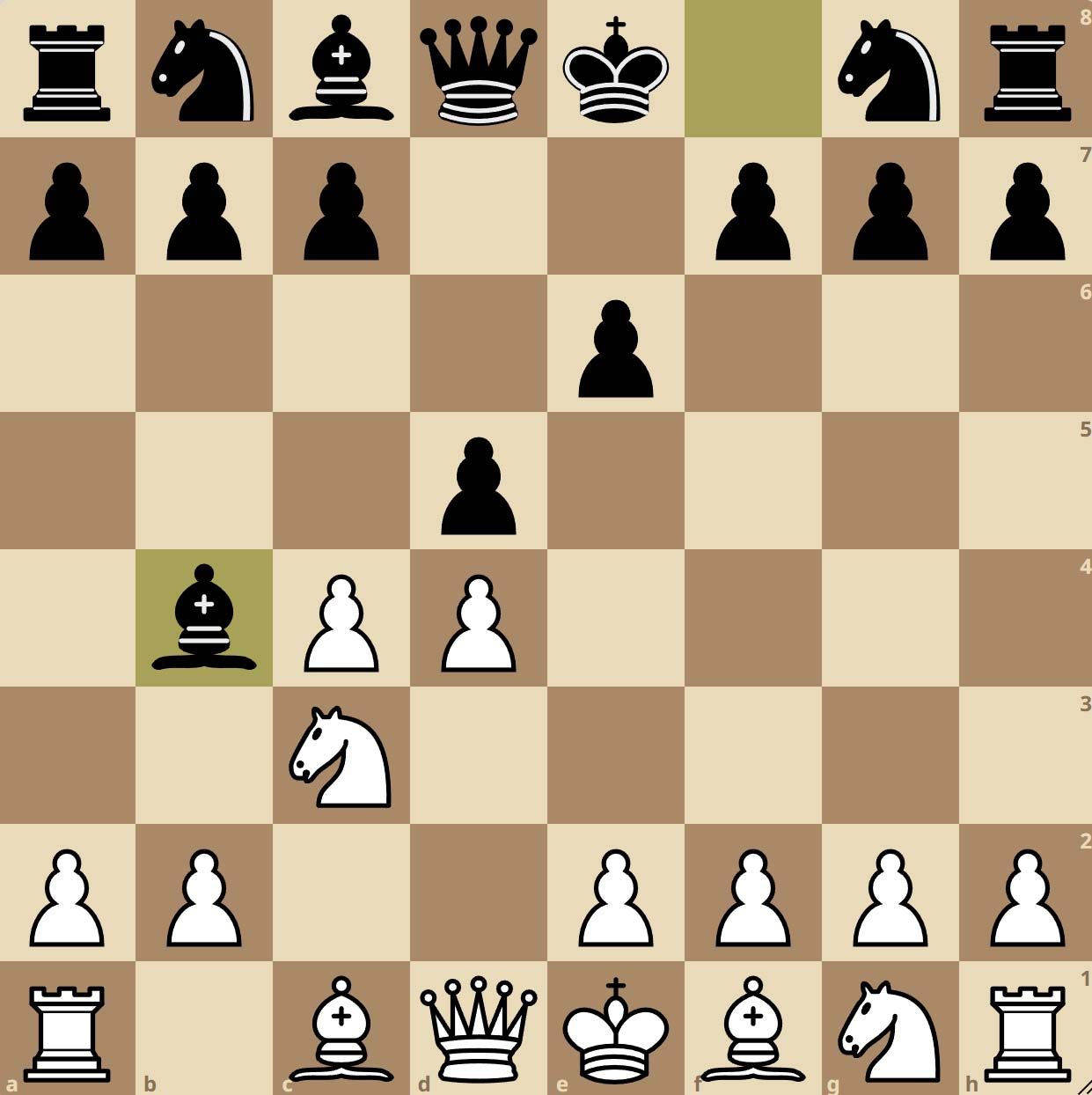
The Caro-Kann Defense is a solid and respected chess opening, known for its durability and its ability to neutralize early white attacks. It’s a favorite among players of all levels, offering king-side safety and strong central control. The opening moves that define it are: 1.e4 c6
History of the Caro-Kann Defense
The Caro-Kann is named after Horatio Caro and Marcus Kann, two players who popularized it in the 19th century. Since then, it has been played by great champions such as Botvinnik, Petrosian, and, in more recent times, Magnus Carlsen and Fabiano Caruana.
Strategic Concept of the Caro-Kann Defense
The Caro-Kann is a defense that prioritizes structure and solidity over immediate initiative. Its idea is to play …c6 to support the central thrust …d5, challenging white’s center without weakening the black position. Black typically aims for positional play, ready to calmly respond to white’s pressure while developing pieces safely.

Main Variations of the Caro-Kann Defense
1. Classical Variation
The Classical Variation begins with 1.e4 c6 2.d4 d5 3.Nc3 (or Nd2) dxe4 4.Nxe4 Bf5. Here, Black develops the bishop to f5, a move that frees up piece activity and maintains a solid structure. This line leads to complex positional play where Black can castle comfortably and maintain flexible development.

2. Advance Variation
In the Advance Variation, White plays 3.e5, forcing Black to find an alternative development plan. Black usually responds with 3…Bf5 or 3…c5 to challenge the center. This line requires Black to carefully coordinate piece development and manage counterplay.

3. Exchange Variation
The Exchange Variation arises after 1.e4 c6 2.d4 d5 3.exd5 cxd5. This line leads to a more open and symmetrical game, allowing both sides to develop their pieces freely, without the typical complexities of advanced lines. While seemingly simple, it offers a wide range of strategic flexibility.
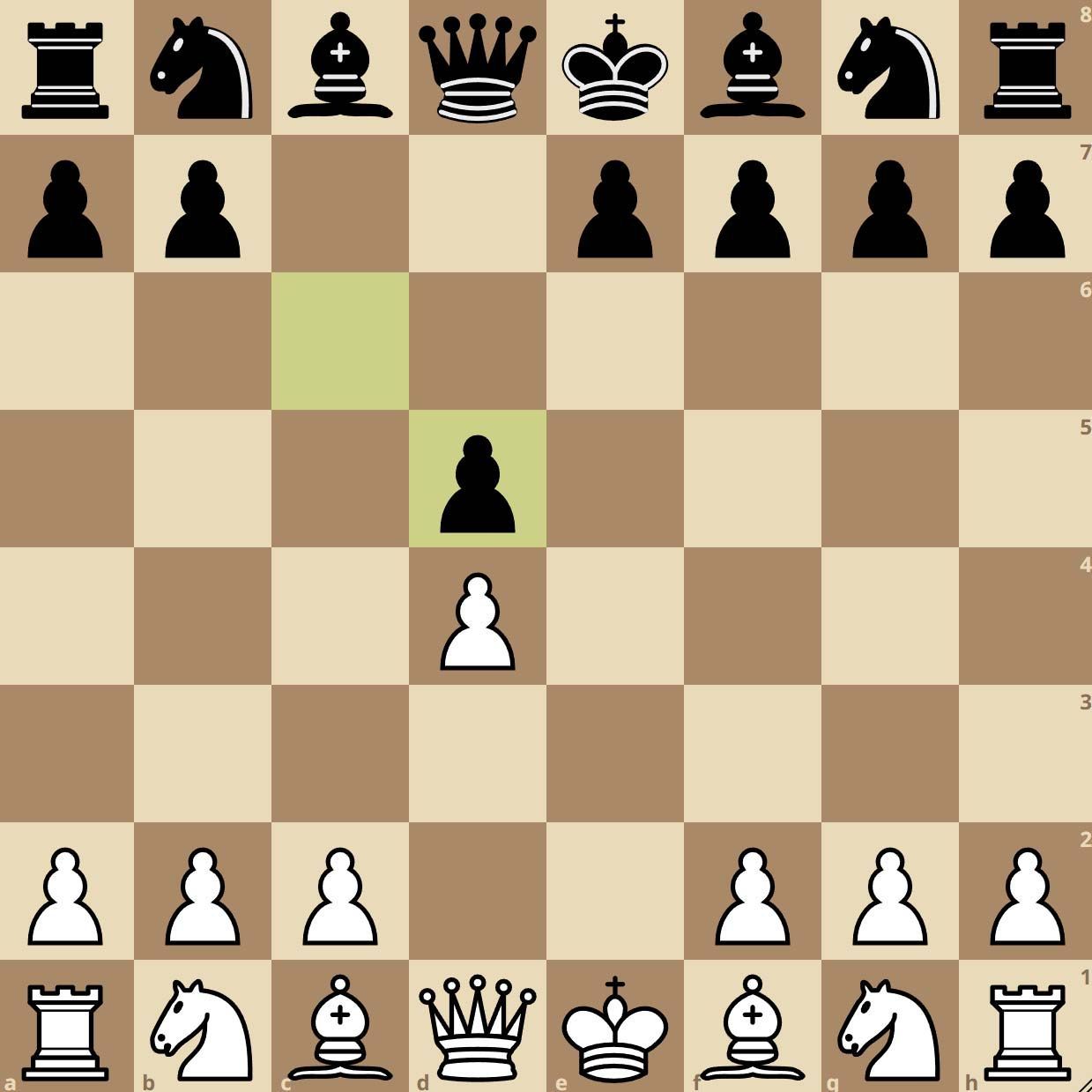
3.1 Panov-Botvinnik Attack
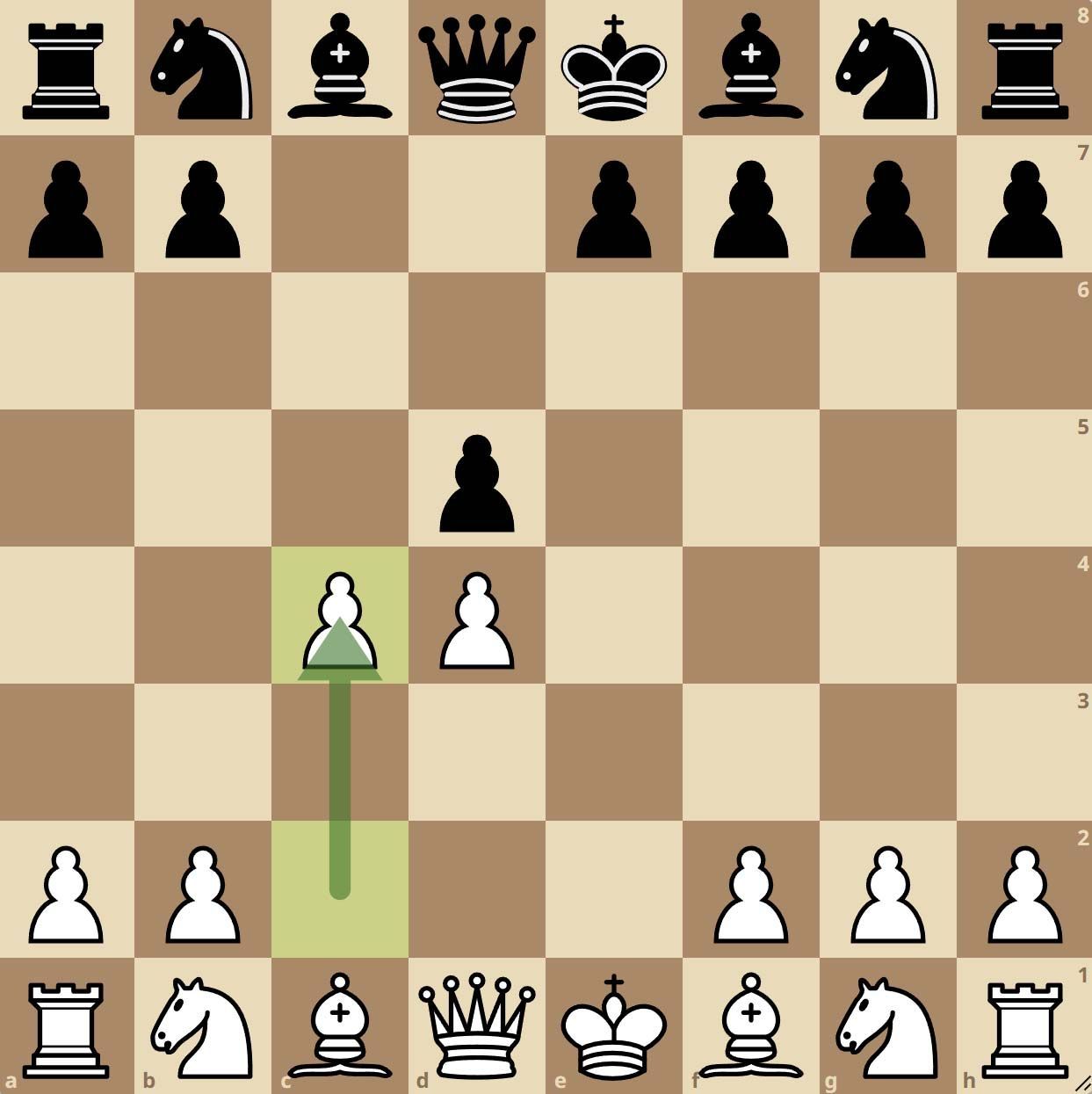
The Panov-Botvinnik Attack begins with 1.e4 c6 2.d4 d5 3.exd5 cxd5 4.c4. White aims for an isolated pawn structure with attacking chances in the center and on the kingside. This is an aggressive line where White seeks to generate dynamic and active play.
4. Fantasy Variation
The Fantasy Variation arises with 1.e4 c6 2.d4 d5 3.f3. White strengthens central control and prepares for an aggressive pawn push. However, it slightly compromises king safety if not handled carefully. Black must respond precisely to avoid early problems.

5. Two Knights Variation
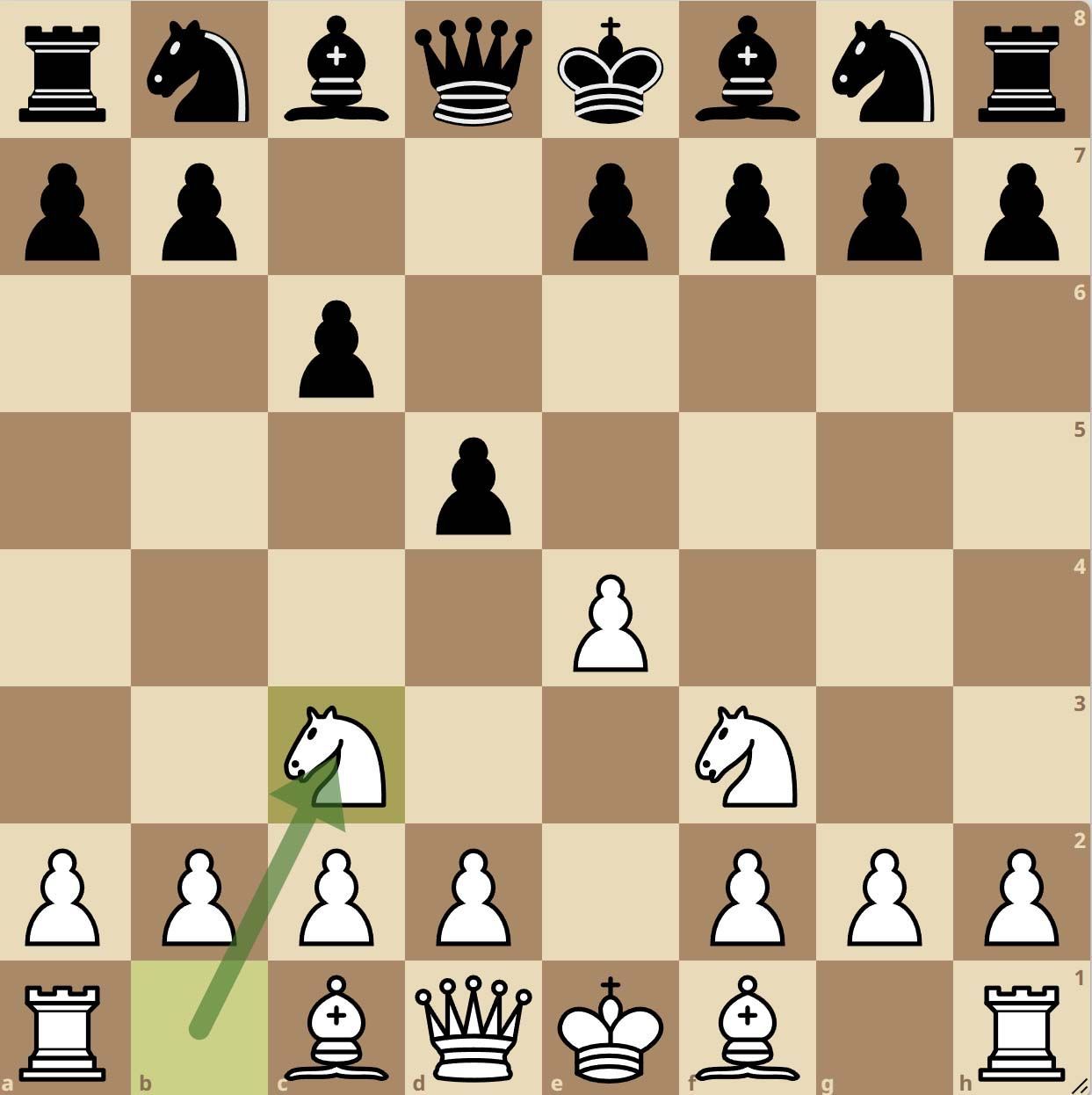
The Two Knights Variation is reached with 1.e4 c6 2.Nf3 d5 3.Nc3. White develops the knights quickly and keeps options open for central expansion. This rapid development enhances piece coordination and often leads to central or kingside attacks. Black can either capture on e4 or continue flexible development.
Comparison of the Caro-Kann Variations
| Variation | Advantages | Disadvantages |
|---|---|---|
| Classical Variation | Solid and safe position for Black | White has attacking chances, especially on the kingside |
| Advance Variation | Strong central control and space for White | Black must maneuver carefully to avoid passive positions |
| Exchange Variation | Symmetry and simplified game | Fewer tactical opportunities for both sides |
| Panov-Botvinnik Attack | Aggressive and dynamic for White | Black has counterplay potential if balance is maintained |
| Fantasy Variation | Central control and flexibility for White | Can leave White’s king vulnerable if not properly developed |
| Two Knights Variation | Quick piece development | Open position may favor White if Black doesn’t respond accurately |
Common Traps and Mistakes in the Caro-Kann Defense
- Neglecting dark-square bishop development: In the Caro-Kann, it’s crucial to develop the dark-square bishop before closing the position with …e6.
- Ignoring central pressure: Black must challenge the center actively; playing passively can lead to cramped positions that are hard to defend.
- Underestimating White’s piece activity: The typical Caro-Kann pawn structure can become passive if Black doesn’t seize the right moment to activate pieces.

Tips for Playing the Caro-Kann Defense
- Practice flexibility in pawn structures: The Caro-Kann allows for multiple pawn formations, especially in the center. Knowing these structures will help you maintain a strong, adaptable setup.
- Anticipate White’s piece development: Study how White arranges their pieces in each variation to stay one step ahead of their plans. In our online chess school, we emphasize these middlegame plans for both sides.
- Embrace positional play: The Caro-Kann suits players who prefer solid setups with fewer tactical complications.
Conclusion
The Caro-Kann Defense is an ideal opening for players who seek a solid and positional response to 1.e4. Though it may seem less aggressive, it is a powerful weapon in the hands of experienced players, capable of repelling White’s attacks and launching counterplay in the middlegame. With patience and proper study, the Caro-Kann can be a valuable addition to your opening repertoire.
If you want to learn more about the Caro-Kann Defense, its lines, and middlegame plans, join our online chess school, your first class is FREE!