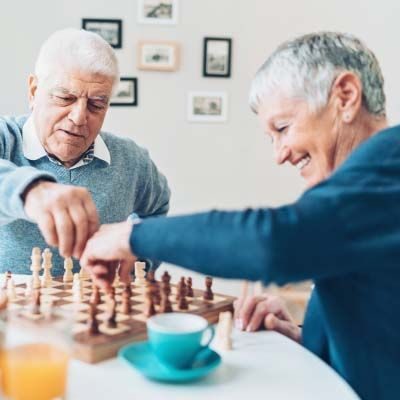
We offer chess classes and workshops for seniors.

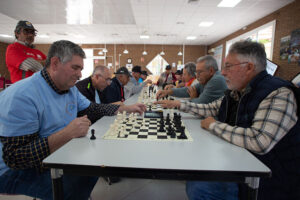
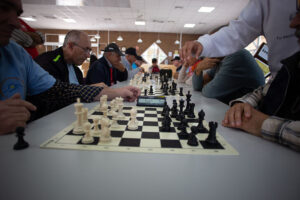
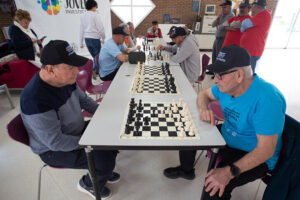
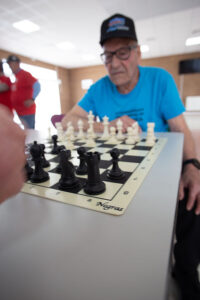
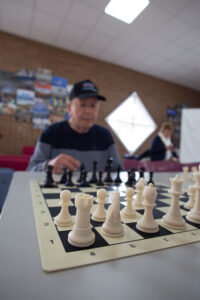
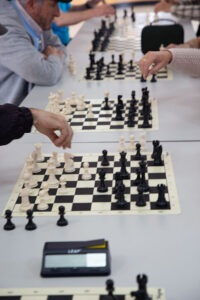
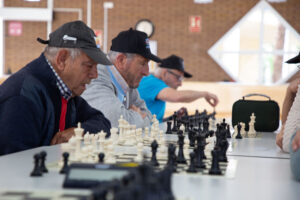
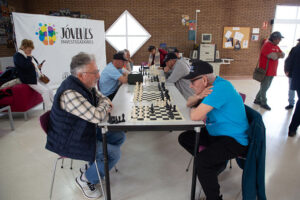
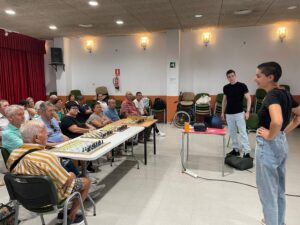
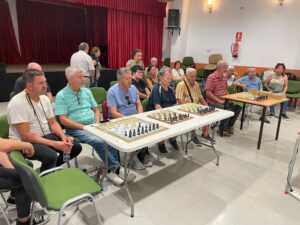
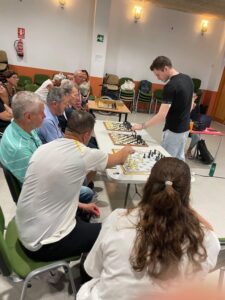
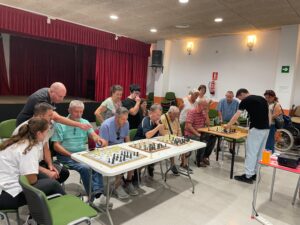
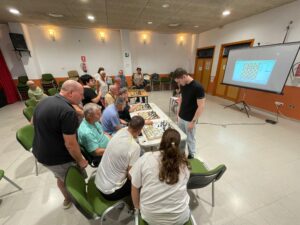
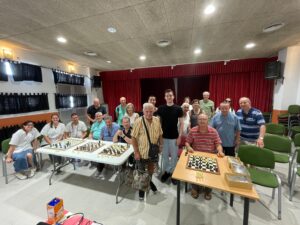
Chess is an activity that combines mental stimulation, social interaction, and accessibility. These characteristics make it an ideal activity for older adults who seek ways to stay engaged and connected with others.
Main reasons to recommend chess:
– Stimulates the brain: Helps prevent cognitive decline associated with aging.
– Encourages socialization: Promotes interaction with others, helping to combat isolation.
– Accessible: Can be played in both physical and digital formats, making it easy to adapt.
– No physical barriers: Does not require intense physical effort, making it suitable for people of all abilities.
Introducing chess into your residence or senior center is a great way to enrich the lives of your members. Chess is an excellent tool to keep the mind active, improving memory, concentration, and logical reasoning. Additionally, it provides a fun and engaging way to socialize, strengthen relationships among participants, and reduce isolation. Chess is also an accessible and adaptable activity suitable for all skill levels and contributes to emotional well-being as a pastime that blends entertainment and mental challenge.
There are many examples of older adults who have discovered a new passion in chess. Some senior players have even started competing in tournaments, while others use it as a way to spend quality time with their loved ones.
At Chesscul, our goal is to continue bringing chess to nursing homes, senior centers, and associations in order to help improve the quality of life of older adults.
In addition, we also offer online classes, allowing people from anywhere to access our lessons. If you are interested in starting this activity with a chess school that currently stands out in the geriatric sector, such as Chesscul, we encourage you to contact us with no obligation 😊
Discover more about our chess in associations initiative.





















Improves memory, attention, and logical thinking, helping to prevent or delay cognitive decline.
Encourages the creation of new neural connections, keeping the brain active and adaptable.
Cognitive activities such as chess are associated with a lower risk of dementias like Alzheimer’s disease.
Facilitates communication and social connections among participants, combating isolation and loneliness.
Helps develop skills to manage frustration and make better decisions under pressure.
Encourages thinking of original solutions and visualizing complex strategies.
Provides a sense of achievement and purpose through overcoming challenges and learning new skills.
Easily adaptable to different skill levels and to the physical or cognitive abilities of each individual.