The Grünfeld Defense is a strategic and aggressive opening for Black, used in response to 1.d4, allowing White to build a strong center that is then indirectly attacked. This defense has been played by legendary players like Garry Kasparov and Bobby Fischer, and it remains one of the most popular openings in modern chess.
What is the Grünfeld Defense?
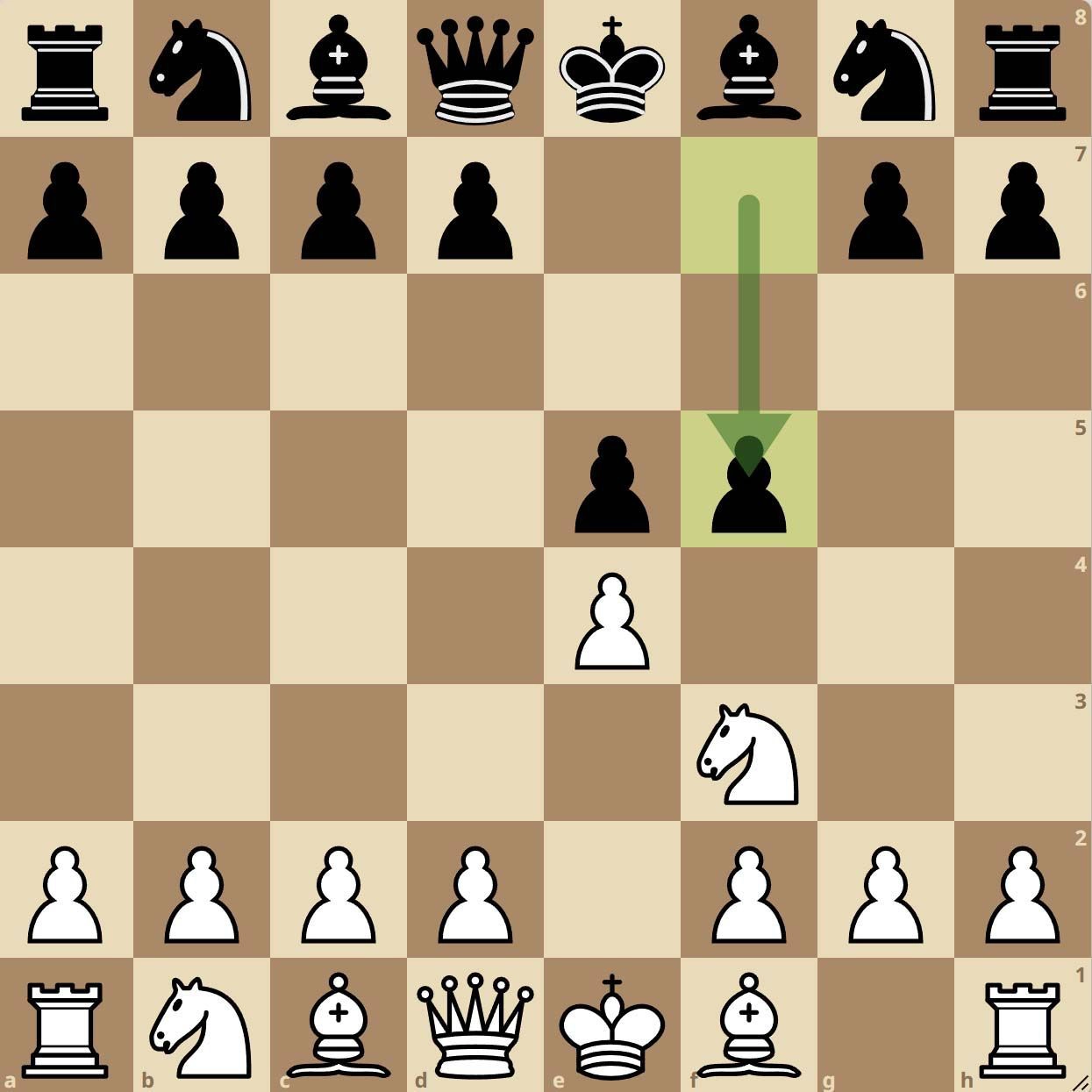
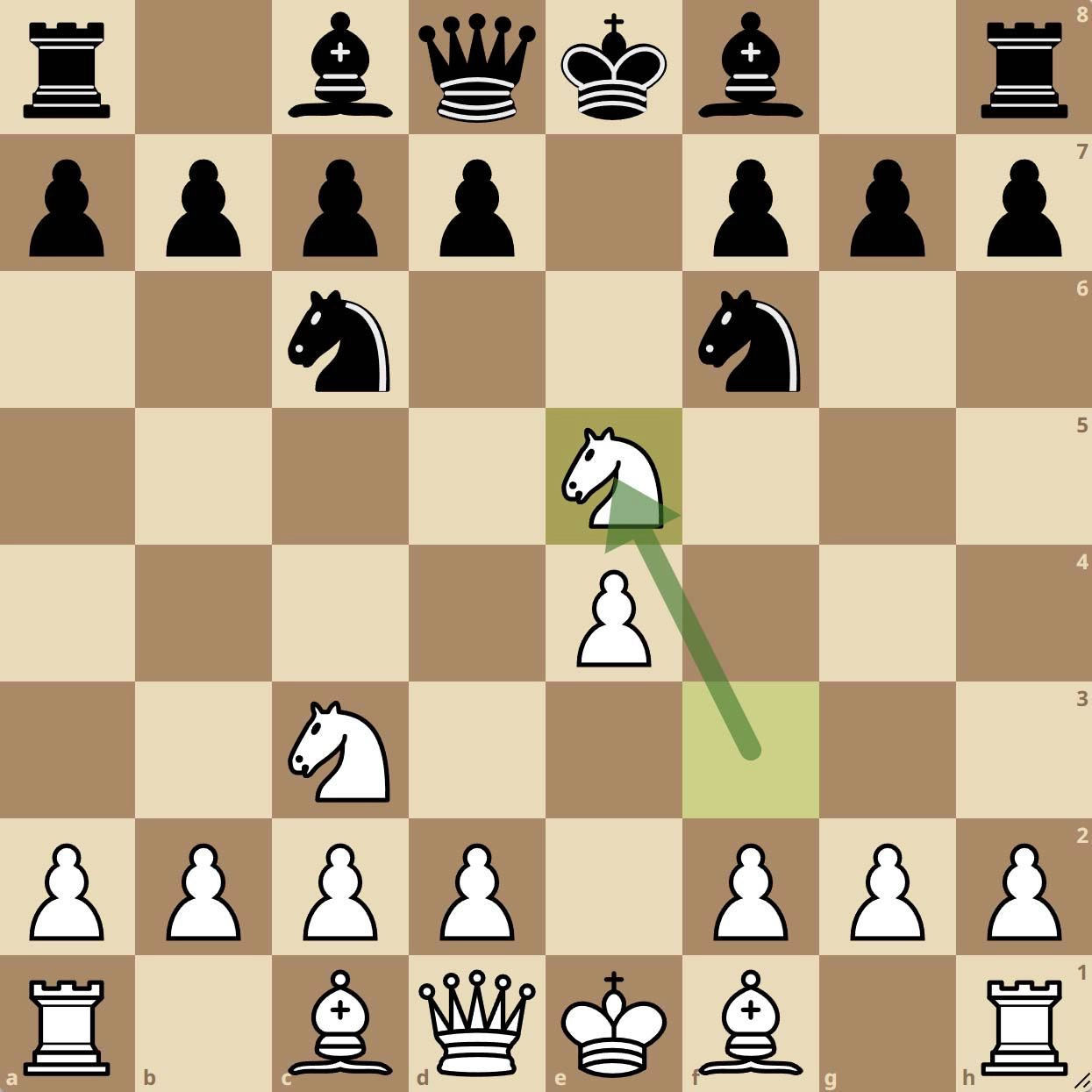
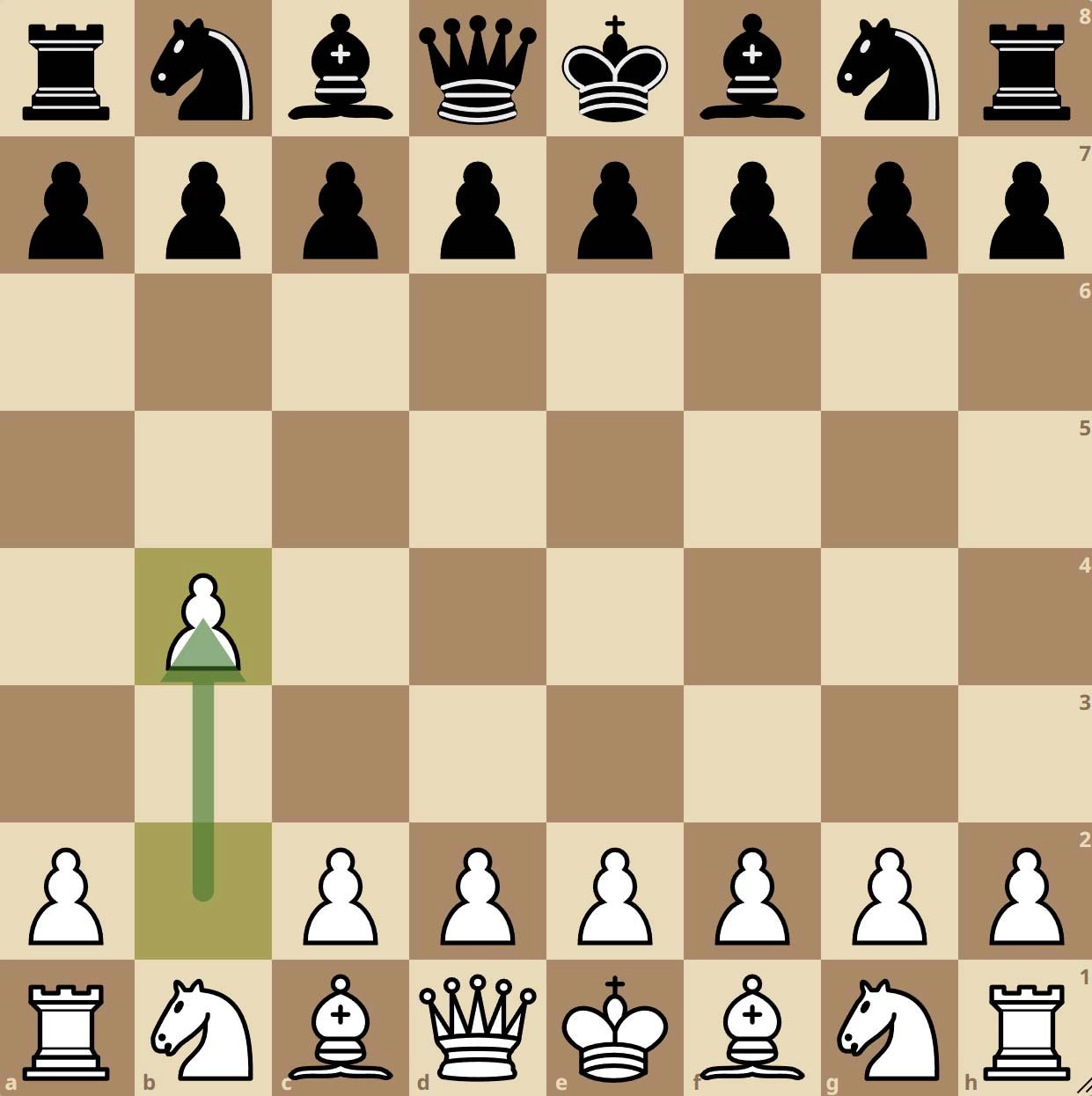
The Grünfeld Defense begins with the moves 1.d4 Nf6 2.c4 g6 3.Nc3 d5, inviting White to take control of the center with pawns, which Black then aims to challenge with piece activity. The Grünfeld is classified as a hypermodern defense, allowing Black to exert central pressure in an indirect way.

Main Objectives of the Grünfeld Defense
- Indirect central pressure: Black allows White to dominate the center initially, with the intention of attacking and undermining it later.
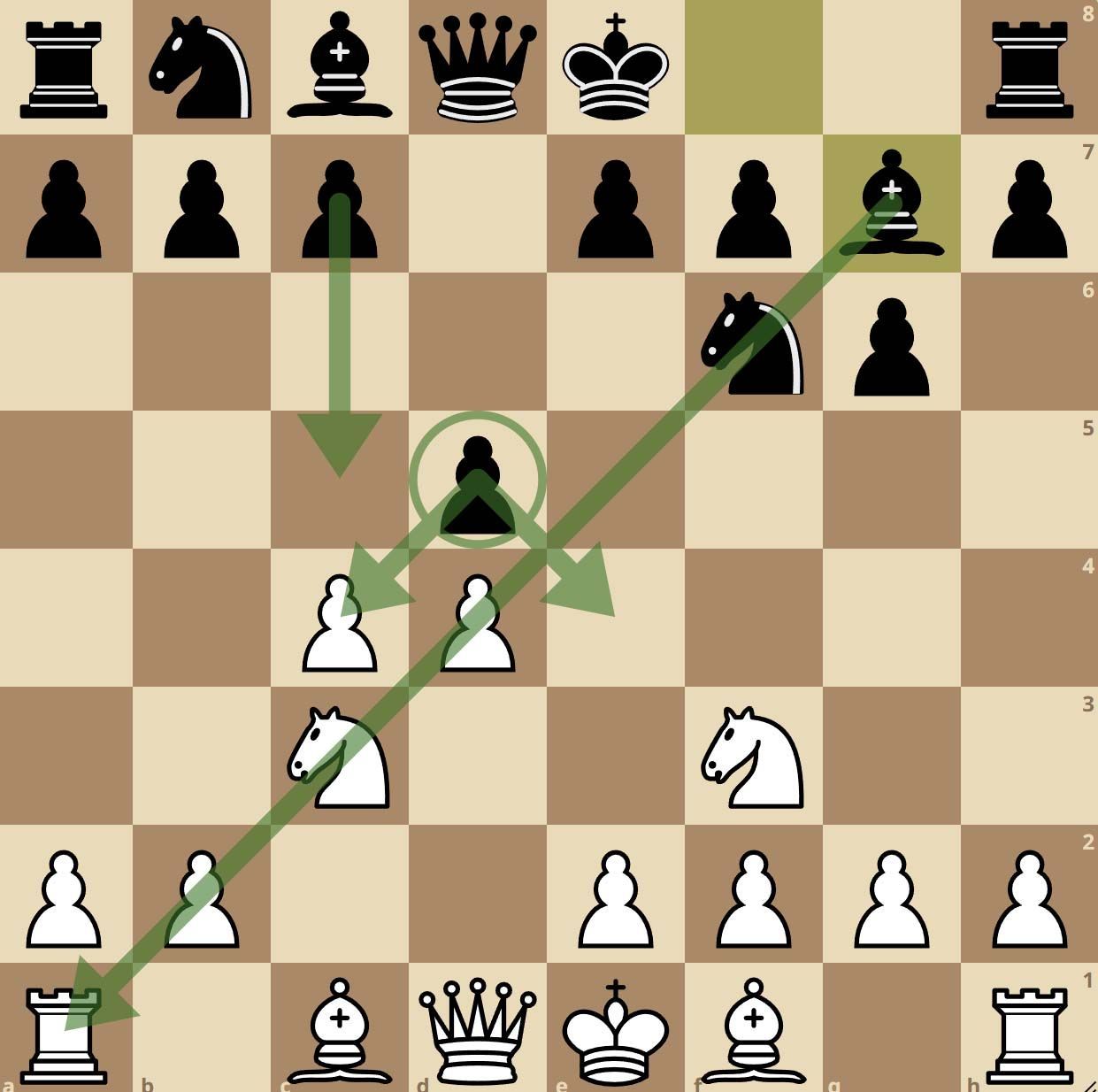
- Kingside bishop fianchetto: The bishop on g7 controls the long diagonal and plays a crucial role in pressuring the center, especially the pawn on d4.
- Dynamic play: The Grünfeld Defense enables very dynamic play for Black—ideal for players who enjoy complications and active counterplay.
Main Variations of the Grünfeld Defense
1. Exchange Variation
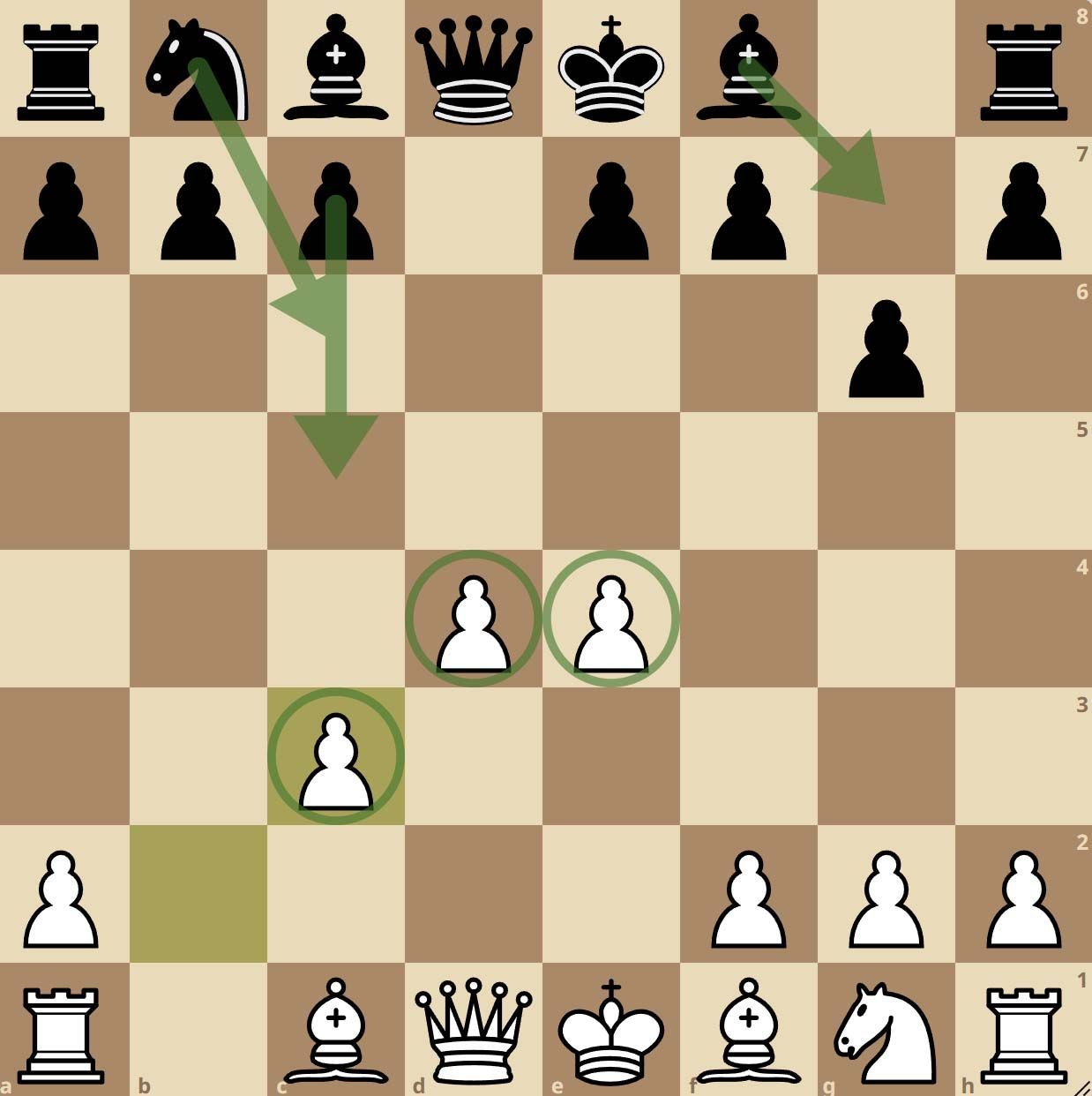
The Exchange Variation is the main continuation, where White captures on d5 and builds a strong central structure.
1.d4 Nf6 2.c4 g6 3.Nc3 d5 4.cxd5 Nxd5 5.e4 Nxc3 6.bxc3
White’s Objective
White establishes a powerful center with pawns on c3 and e4, aiming to control the board and expand. Black will counter this central structure using the bishop on g7 and moves like c5 or e5 to challenge the center.
2. Russian or Classical Variation
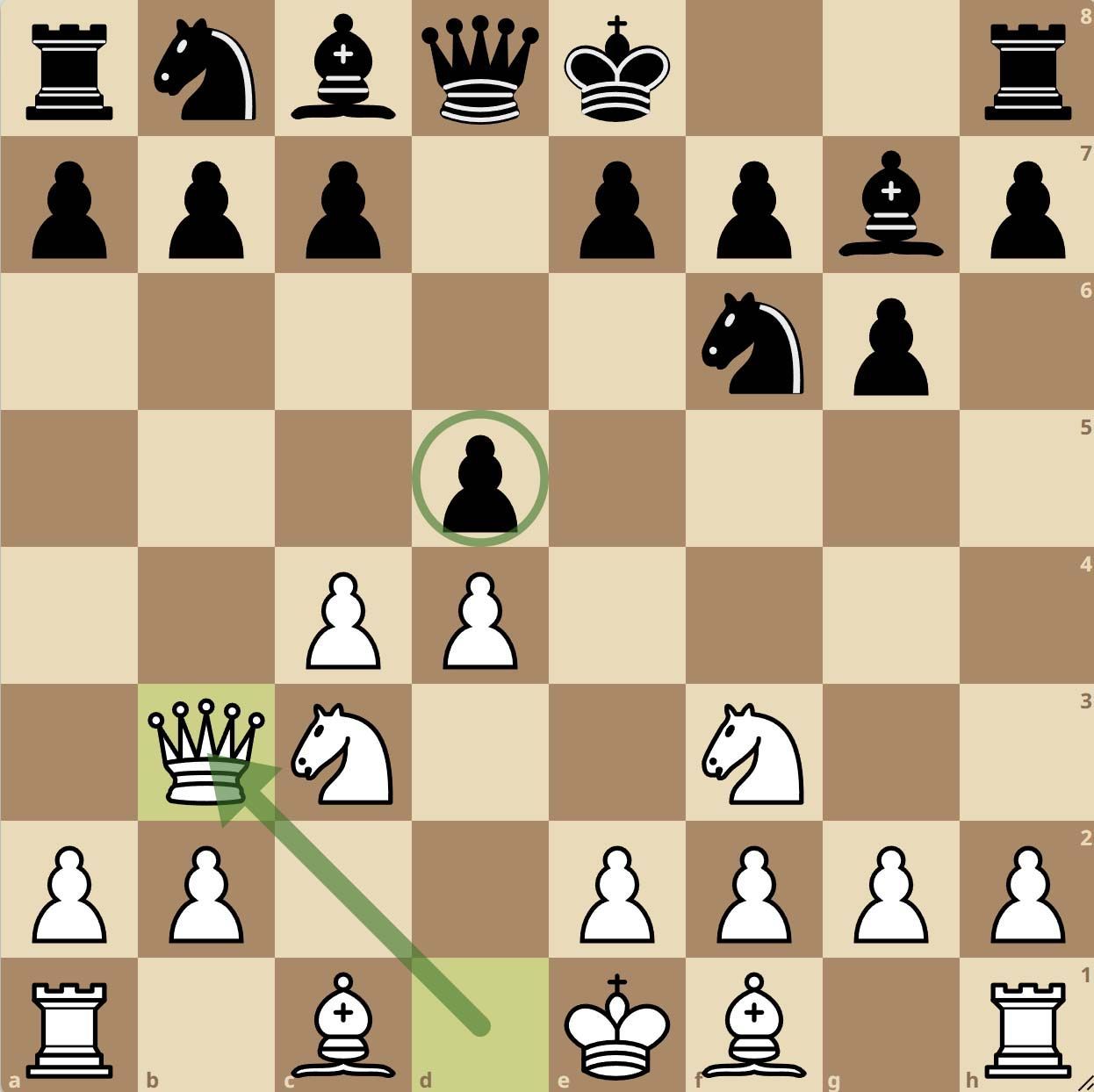
The Russian Variation is a less common but solid line, where White develops the queen toward the center.
1.d4 Nf6 2.c4 g6 3.Nc3 d5 4.Nf3 Bg7 5.Qb3
Strategic Plan
With Qb3, White attacks the d5 pawn directly. Black can choose to defend it or shift the focus toward rapid development and central breaks.
3. Taimanov Variation
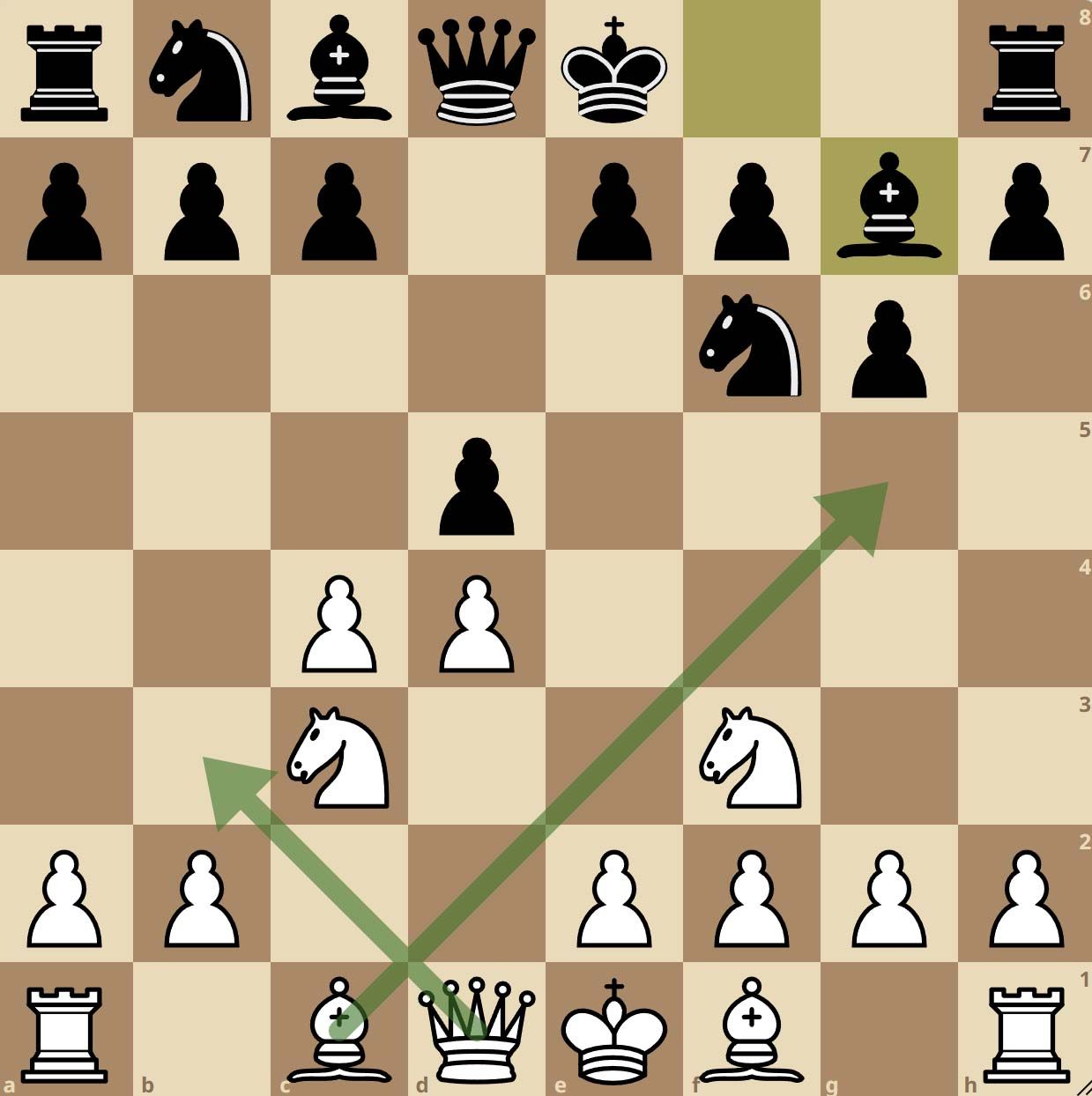
The Taimanov Variation allows Black to avoid the typical exchange structure and go for a different type of game.
1.d4 Nf6 2.c4 g6 3.Nc3 d5 4.Nf3 Bg7
Approach in This Variation
Black avoids committing immediately to cxd5, maintaining flexibility in the center. They wait to see how White develops before responding optimally. White may continue with Qb3 (as seen in the Russian System above) or Bg5.
4. Neo-Grünfeld Variation
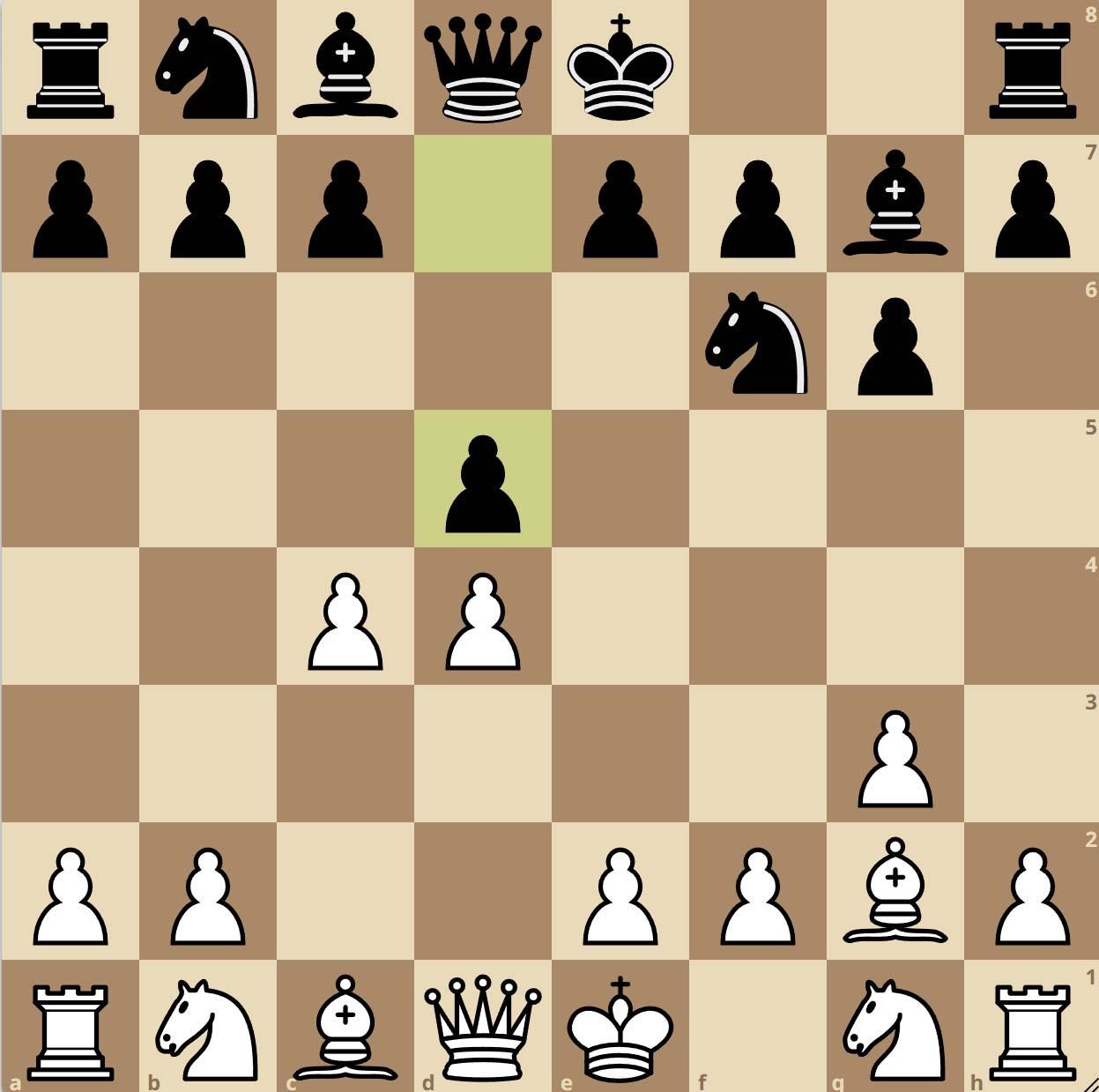
The Neo-Grünfeld Variation involves White fianchettoing their kingside bishop, with Black responding flexibly without immediately capturing in the center.
1.d4 Nf6 2.c4 g6 3.g3 Bg7 4.Bg2 d5
Approach in the Neo-Grünfeld
This variation allows Black to delay central exchanges and observe White’s setup. Black aims for an active central structure and usually captures on c4 at the right moment to destabilize White’s control. White, in turn, maintains central pawn structure and the bishop on g2, aiming for a positional game with flexibility on both flanks.
Comparison of Main Variations
| Variation | Advantages | Disadvantages |
|---|---|---|
| Exchange Variation | Strong center and space advantage | Black can counter with c5 or e5 |
| Russian or Classical | Pressure on d5 pawn, rapid development | Less popular and easier for Black to defend |
| Taimanov Variation | Central flexibility and active counterplay | Requires precision to avoid drifting into passivity |
| Neo-Grünfeld | Flexible central structure | Less direct central pressure |
Tips for Playing the Grünfeld Defense
- Look for counterplay: The Grünfeld is aggressive and dynamic. Seize counterplay opportunities and always maintain pressure on White’s center.
- Focus on the center: White’s central control is the main target. Plan breaks with c5 or e5 carefully.
- Maintain the fianchettoed bishop: The bishop on g7 is essential in the Grünfeld—it offers constant pressure and supports action in both the center and queenside.

Conclusion
The Grünfeld Defense is ideal for players seeking an active and aggressive defense. With variations for all styles, this hypermodern opening allows Black to challenge White’s center and create counterplay. Mastering it will provide a deeper understanding of central control and dynamic attacking concepts in chess.
If you want to learn more about the Grünfeld Defense, its variations and middlegame plans, join our online chess school, your first class is FREE!