The Queen’s Gambit is one of the most popular and classical openings in chess, used in games ranging from beginner level to grandmaster tournaments. This gambit aims to control the center by temporarily sacrificing a pawn and is characterized by the opening moves: 1.d4 d5 2.c4
History and Origin of the Queen’s Gambit
This opening dates back to 16th-century European chess. Since then, it has established itself as one of the most studied and prestigious openings. It is used by players of all levels thanks to its solidity and strategic depth. However, it can also lead to highly tactical games, making it attractive to all kinds of players.
Strategic Concept of the Queen’s Gambit
In the Queen’s Gambit, White offers a pawn with the goal of gaining central control and achieving a superior position. If Black accepts the gambit, White can use the time gained to develop pieces and increase pressure in the center. If Black declines, they often choose a solid structure.

Main Variations of the Queen’s Gambit
1. Queen’s Gambit Accepted (QGA)
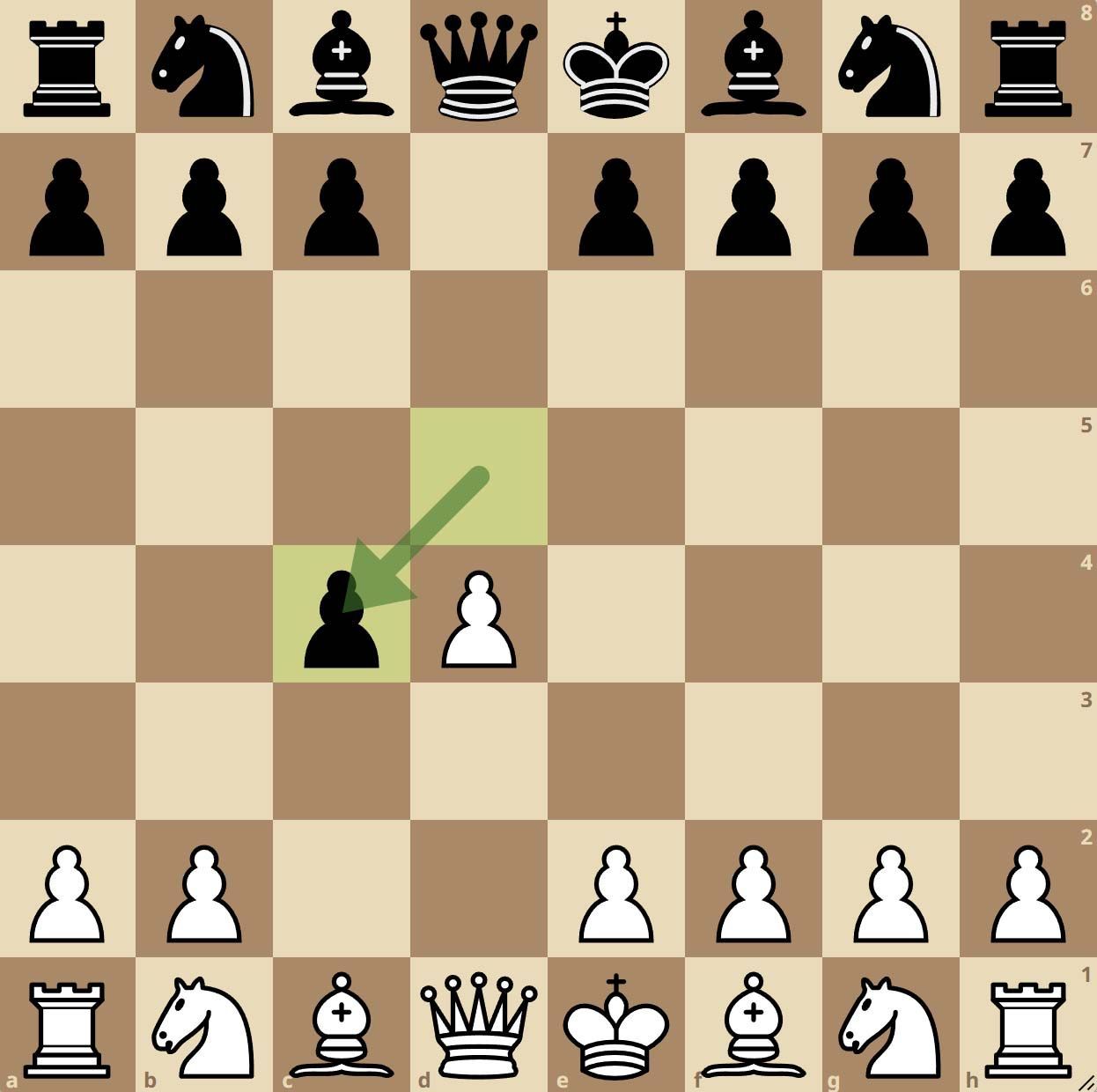
The Queen’s Gambit Accepted occurs when Black captures the pawn on c4: 1.d4 d5 2.c4 dxc4. Although Black wins a pawn temporarily, White gains superior development and central control. The key for Black is knowing when to return the pawn.
2. Queen’s Gambit Declined (QGD)
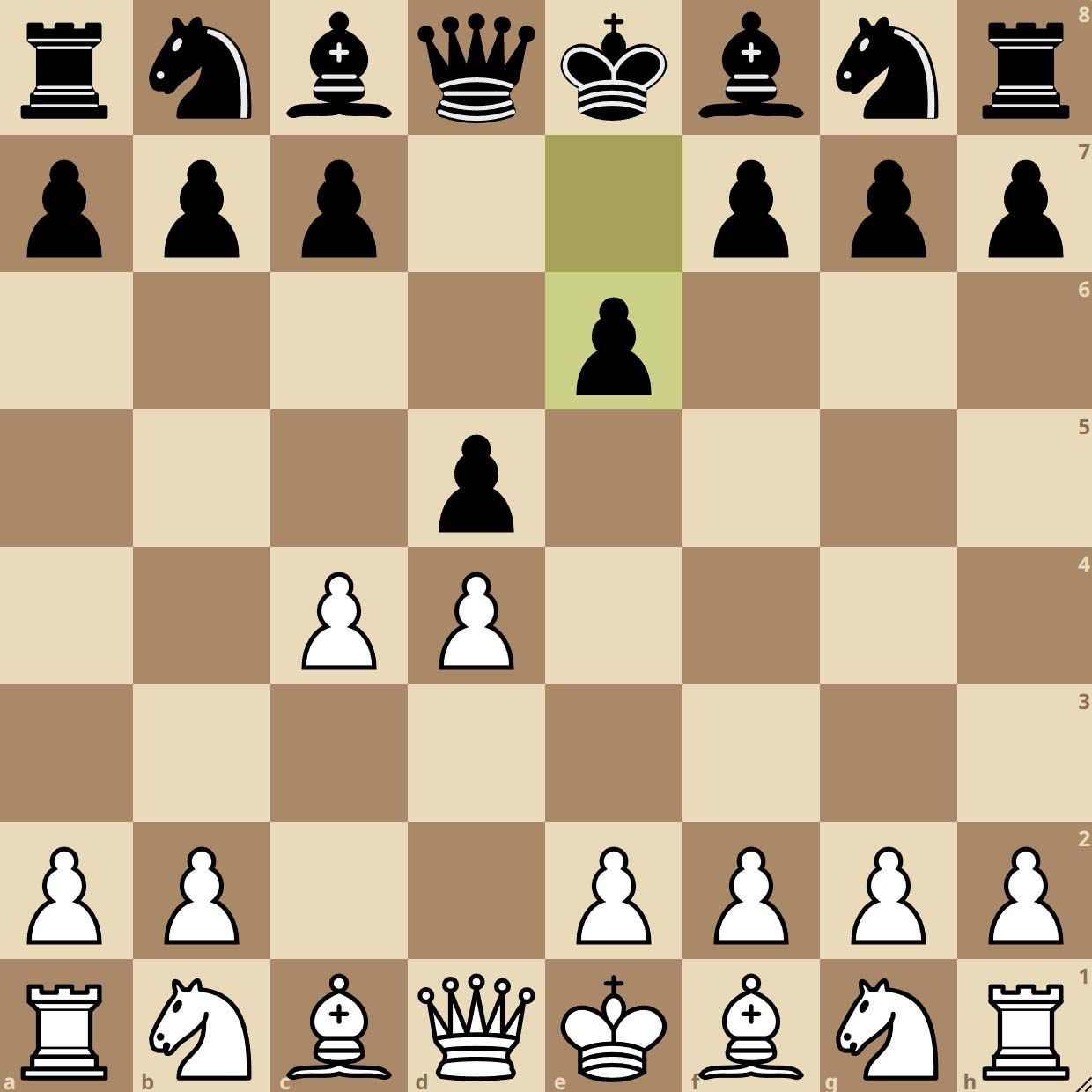
The most common reply, in which Black refuses the pawn and defends their center with moves like 2…e6 or 2…c6. This variation leads to solid positions and deep strategic battles.

2.1 Orthodox Variation
The Orthodox Variation arises after 1.d4 d5 2.c4 e6, where Black develops pieces without capturing on c4. This structure provides both flexibility and security.
2.2 Tarrasch Defense
In the Tarrasch Defense, Black responds with 1.d4 d5 2.c4 e6 3.Nc3 c5. Black seeks active play in the center but often ends up with an isolated pawn on d5.

2.3 Slav Defense
The Slav Defense is defined by 1.d4 d5 2.c4 c6, allowing Black to solidly defend the d5 pawn while developing harmoniously.

3. Albin Countergambit
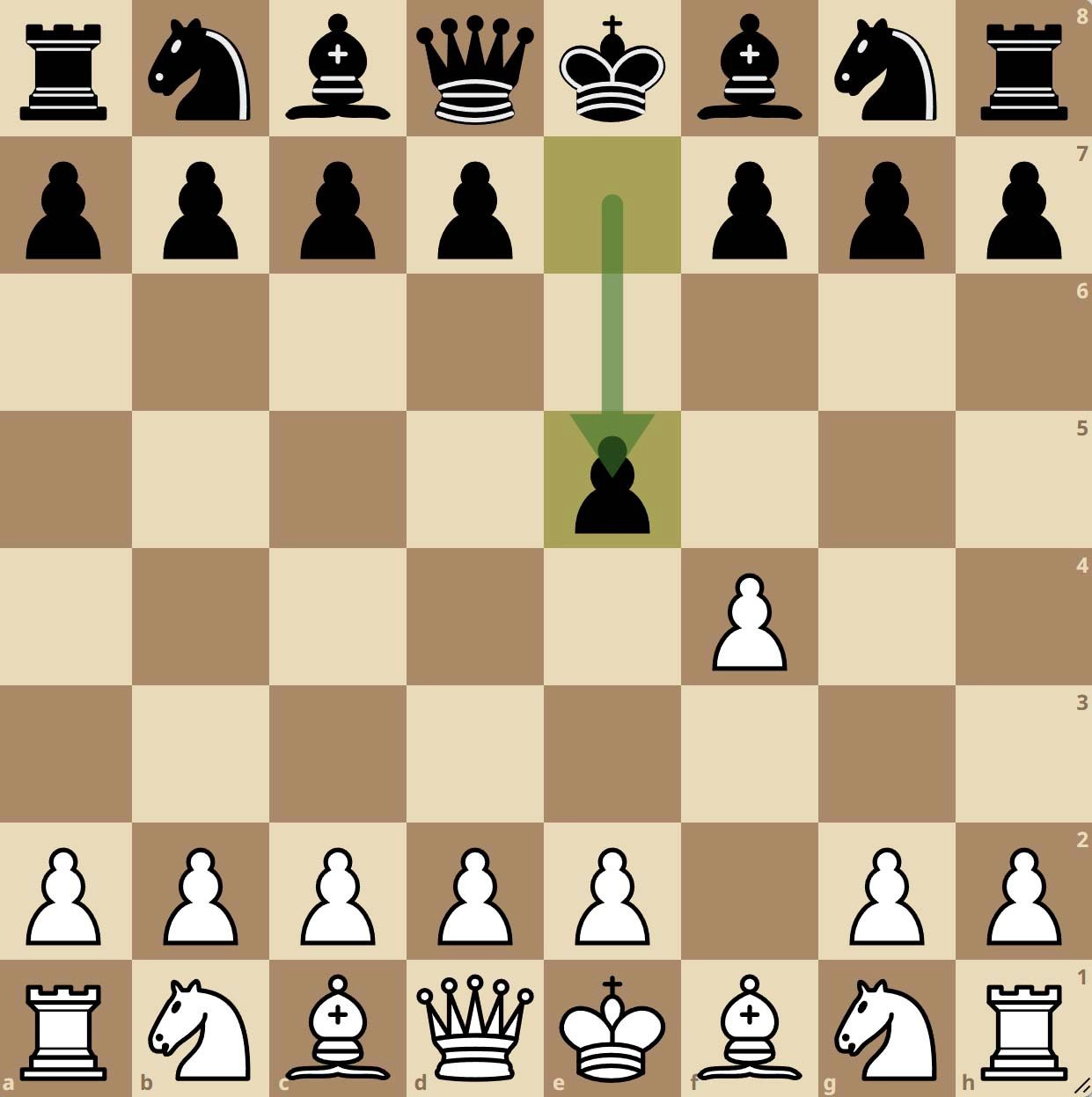
The Albin Countergambit arises after 1.d4 d5 2.c4 e5. It’s an aggressive line where Black sacrifices a central pawn to open lines and gain development initiative.

Comparison of Queen’s Gambit Variations
| Variation | Advantages | Disadvantages |
|---|---|---|
| Queen’s Gambit Accepted | Fast development, strong central control for White | Black may regain the pawn and gain material advantage |
| Queen’s Gambit Declined | Solid and flexible position for Black | White may gain space in the center |
| Orthodox Variation | Flexibility, safe piece development | Fewer immediate attacking chances for Black |
| Tarrasch Defense | Central activity, piece counterplay | Isolated d5 pawn may become a long-term weakness |
| Slav Defense | Solid defense, good piece coordination | White can try to press in the center |
| Albin Countergambit | Aggressive play, quick central initiative for Black | Material sacrifice can backfire if not handled properly |
Common Traps and Mistakes in the Queen’s Gambit
- Neglecting development: Both sides must prioritize developing their pieces rather than chasing pawns without a clear plan.
- Underestimating Black’s counterplay: White should remain alert to tactical ideas when Black declines the gambit actively.
- Losing control of the center: Even with extra space, White must maintain central dominance to avoid a reversal.
“Queen’s Gambit” Series
Interestingly, this chess opening shares its name with one of the most popular series of recent years: The Queen’s Gambit.
The Queen’s Gambit is a Netflix miniseries based on the novel by Walter Tevis. Premiered in 2020, it tells the story of Beth Harmon, a gifted orphan who overcomes personal and social challenges to become the world’s greatest chess player. Set in the 1950s and 60s, the series blends drama, strategy, and emotion while exploring themes like genius, loneliness, and addiction.

One of the most fascinating aspects of The Queen’s Gambit is how authentically it portrays chess. The games were designed by grandmasters like Garry Kasparov, ensuring high-level accuracy in every move. The show also sparked a worldwide chess boom, inspiring millions to take up the game.
Anya Taylor-Joy’s performance as Beth is captivating, delivering a powerful portrait of a woman striving to find her place in a male-dominated world. Whether you’re a chess fan or simply looking for inspiration, The Queen’s Gambit is a must-watch that proves chess is much more than just a game.
Conclusion
The Queen’s Gambit is an opening rich in both strategic and tactical ideas. It’s ideal for beginners learning central control, as well as for advanced players studying complex middlegames. I have personally used it in competitive play and can say it leads to both deep positional battles and highly dynamic tactical games.
If you want to learn more about the Queen’s Gambit, its lines, and middlegame plans, join our online chess academy, your first class is FREE!