
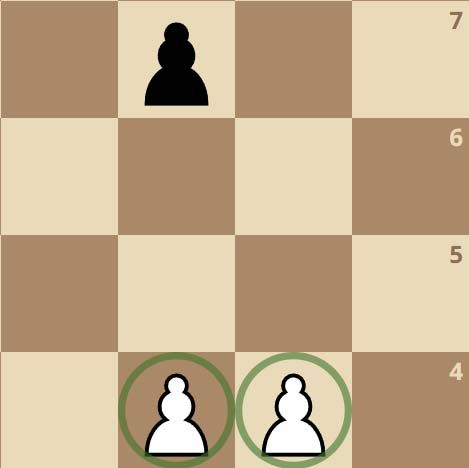
In chess, one of the key situations a player can take advantage of is the “majority of pawns.” While we often talk about majorities in terms of material (like having more pieces or pawns), this article focuses on pawn majority and how this advantage can play a crucial role in a game. We’ll explain what pawn majority is, how it’s formed, its pros and cons, and how to use it to guide the game toward victory.
What Is a Pawn Majority?
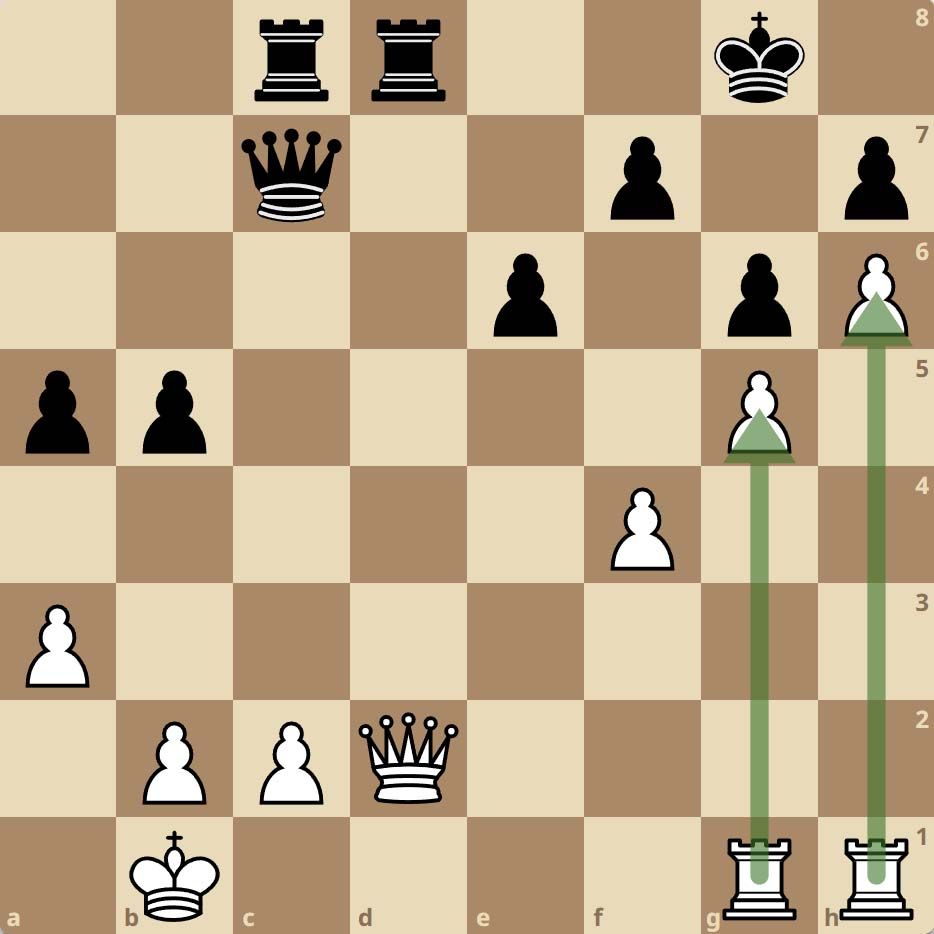
A pawn majority in chess refers to the situation where one player has more pawns on one flank (either kingside or queenside) than their opponent. This numerical advantage in pawns can become decisive if played correctly. Generally, a pawn majority can be used to pressure the opponent, create promotion threats, and eventually gain material or force a direct win.
Characteristics of Pawn Majority
- Number of pawns on one flank: A majority occurs when a player has more pawns on one side of the board, such as the queenside or kingside.
- Advanced positioning: In many situations, the pawn majority is used to advance pawns toward promotion. Often, a majority on either flank can open lines and generate threats toward the eighth rank.
- Creation of a passed pawn: A key advantage of pawn majority is the ability to turn it into a passed pawn, a powerful threat in the later stages of the game.
How Is a Pawn Majority Formed?
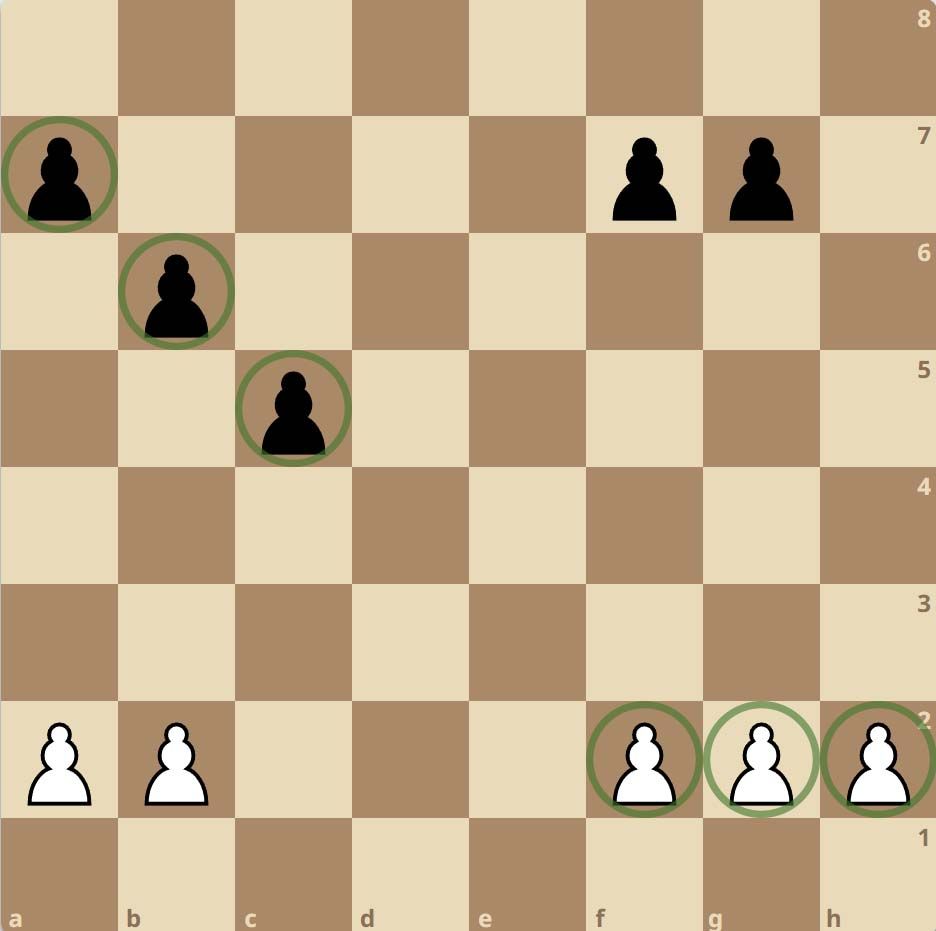
A pawn majority typically forms as the game progresses and players exchange pawns. There are several ways a player can gain this advantage:
1. Pawn Exchanges
During a game, pawn trades are inevitable. In many cases, one player can use these exchanges to gain an extra pawn on one flank, resulting in a pawn majority. A good player should be alert for favorable exchanges and know when to use them to achieve a numerical advantage.

2. Weaknesses in the Opponent’s Pawn Structure
When a player creates weaknesses in the opponent’s pawn structure, such as isolated or doubled pawns, these can be exploited to obtain a pawn majority on one flank. These weaknesses often arise from poor moves or unfavorable exchanges made by the opponent.
Advantages of a Pawn Majority
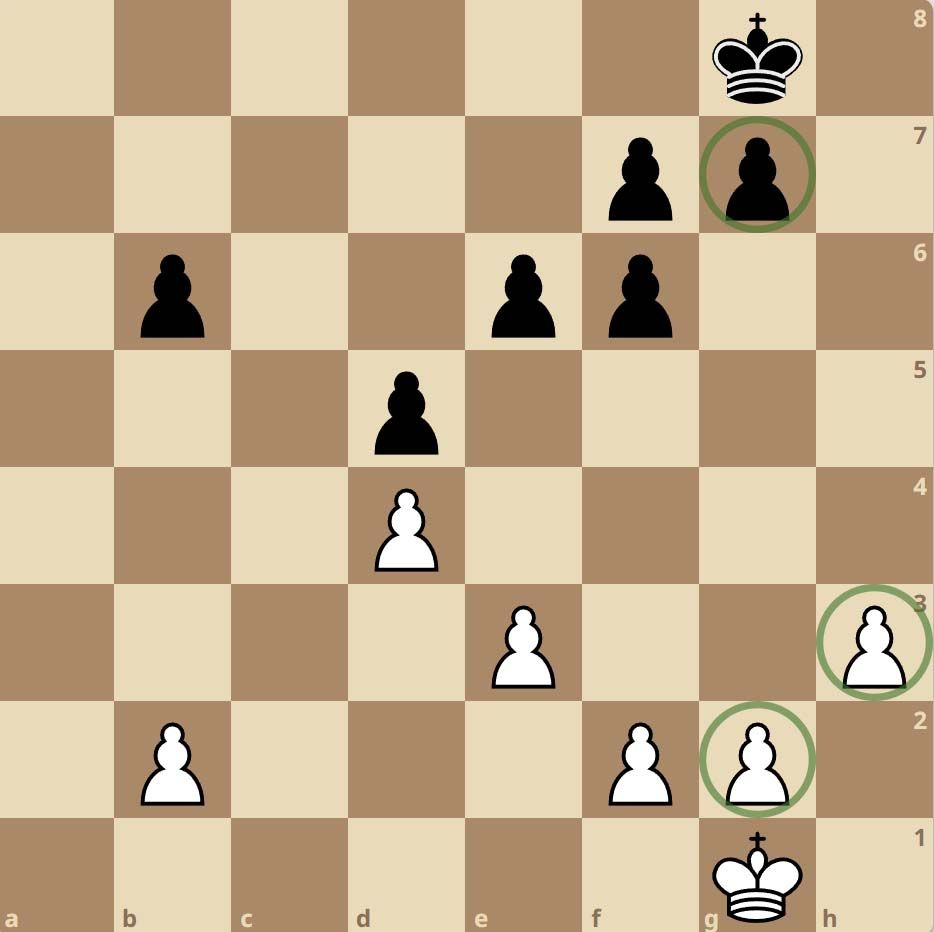
Having a pawn majority offers several tactical and strategic advantages. Here are some of the most important:
1. Creation of a Passed Pawn
One of the biggest advantages of having a pawn majority is the ability to create a passed pawn, one that advances without being blocked by enemy pawns. This pawn becomes a constant threat and can push toward the eighth rank for promotion. The promotion of the pawn can dramatically change the course of the game.
2. Pressure on the Opponent
A pawn majority creates constant pressure. If the player with the majority knows how to use it well, they can force the opponent into passive defense, losing both space and time. The threat of a passed pawn can also tie down enemy pieces, reducing their attacking potential.
3. Creation of Open Files
Pawns on a majority side can open lines for major pieces like rooks and queens. As the pawns advance, they clear paths for these powerful pieces to move across the board and apply pressure to the opponent’s position.
4. Space Control
The pawn majority can also help you control more space on the board. By advancing pawns, the player with the majority can gain territory, limiting the opponent’s ability to maneuver or counterattack effectively.
Disadvantages of a Pawn Majority
While a pawn majority offers clear advantages, there are also some drawbacks players need to be aware of:
1. The Pawns Can Be Targeted
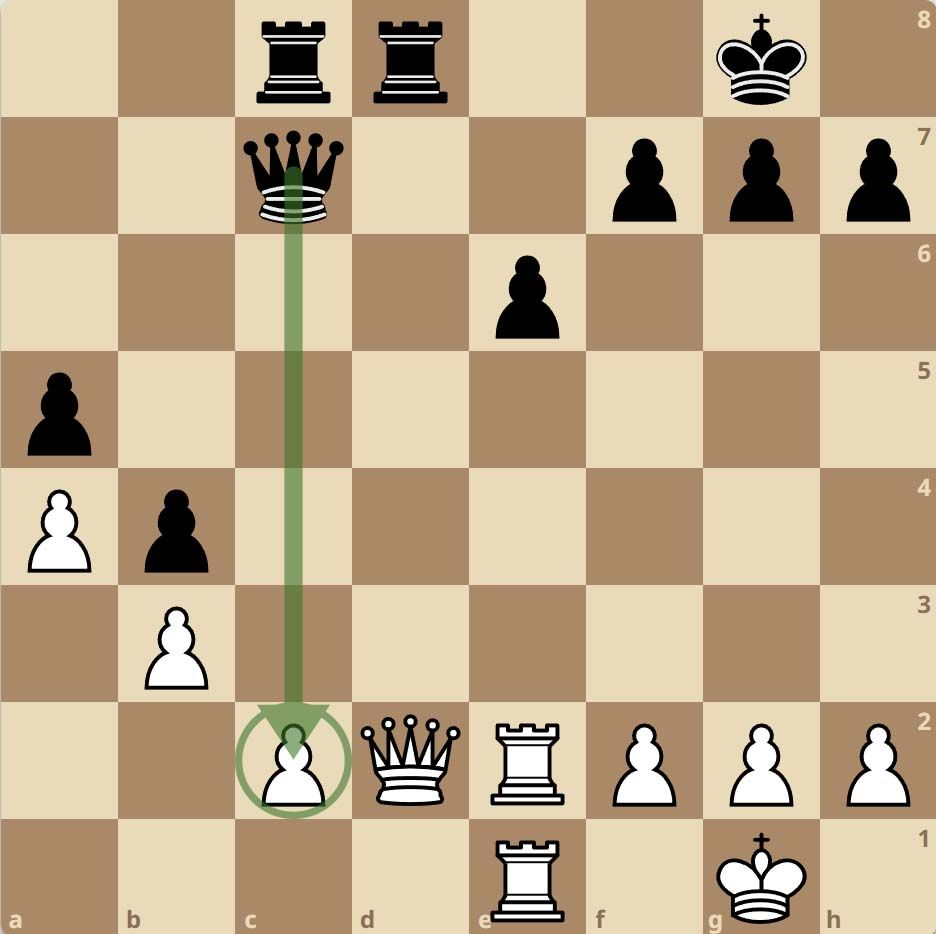
One downside of having a pawn majority on one side is that those pawns can become easy targets, especially due to semi-open files. Advancing pawns without proper protection can leave them vulnerable to future attacks.
2. Lack of Support for Major Pieces
A pawn majority on one flank can sometimes result in your major pieces lagging behind or getting blocked by your own pawns. This may hinder piece development or limit tactical options for the player holding the majority.
Conclusion
Pawn majority is often a significant advantage in chess that can decide the outcome of a game. Knowing how to create and use it effectively is essential for any player aiming to improve. Always watch for opportunities to obtain a pawn majority and use it to pressure your opponent and generate threats.
To learn more about chess strategy, or if you’d like to improve in other areas of the game, visit our blog entries, all free of charge. 😉


