
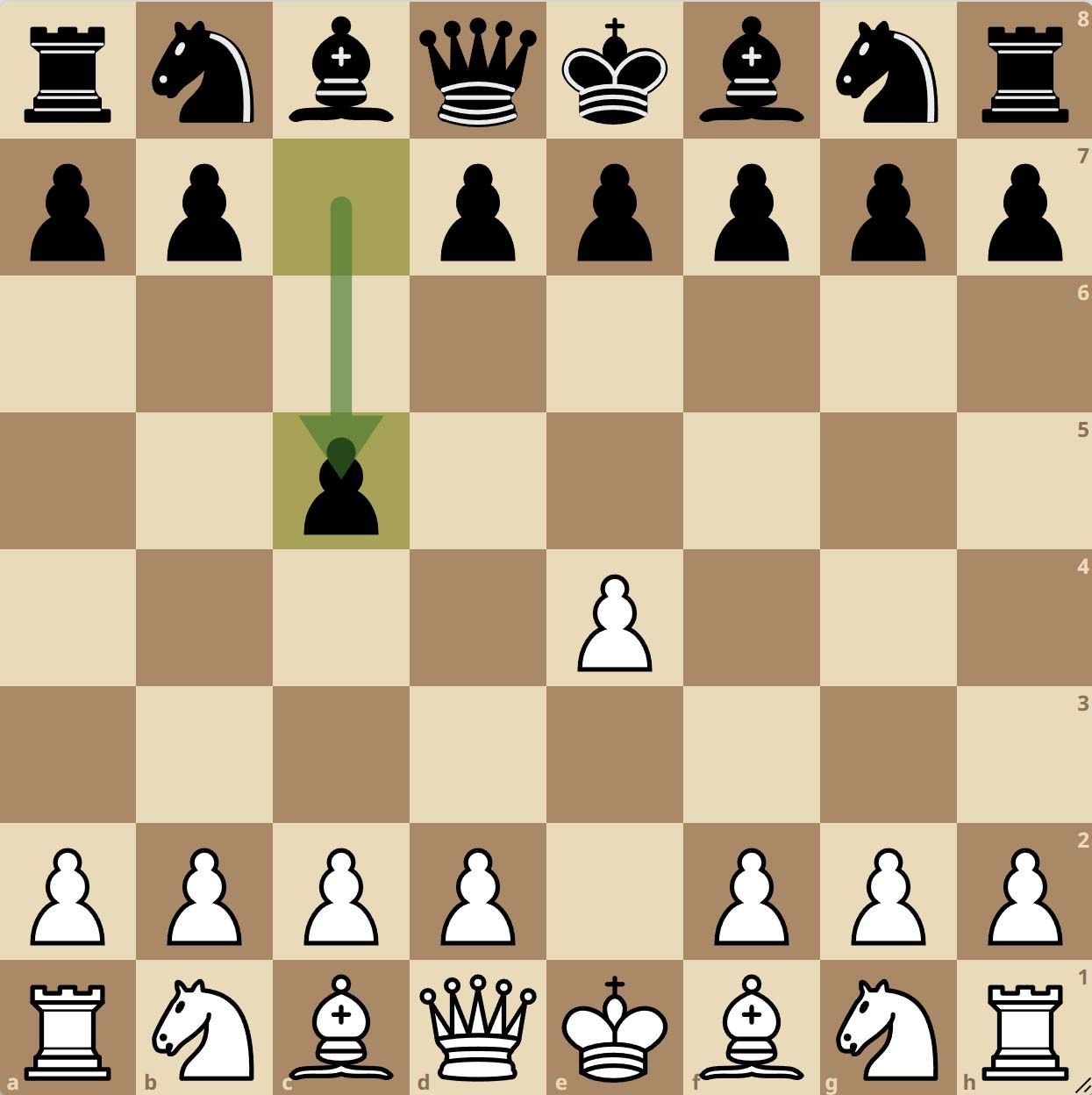
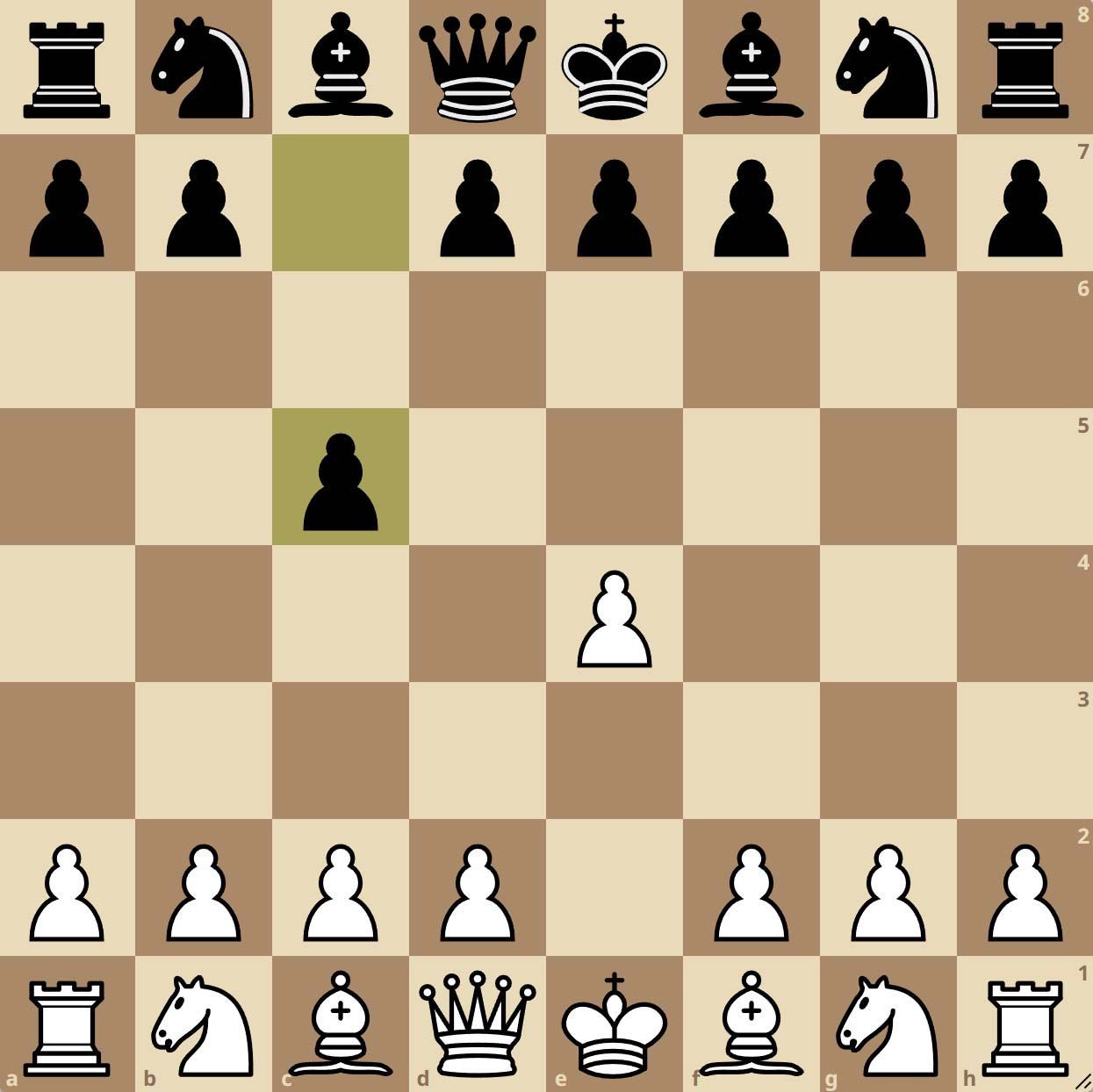
The Sicilian Defense is one of the most popular openings in chess, known for its asymmetrical and aggressive nature. It begins with 1.e4 c5. This defense aims to unbalance the game early, offering attacking chances and queenside control. Let’s explore the main variations of the Sicilian Defense to help you better understand this opening.
History of the Sicilian Defense
The Sicilian Defense has been used by many world champions, including Bobby Fischer and Garry Kasparov. It’s a dynamic defense that allows Black to actively fight for the initiative from the very first moves. Unlike other responses to 1.e4, the Sicilian focuses on indirect central control, aiming for counterplay instead of immediate equality.
Main Variations of the Sicilian Defense
The Sicilian Defense is a highly popular semi-open opening, often leading to sharp tactical play. As a competitive player, I consider the Sicilian a double-edged sword that offers dynamic play, but requires thorough knowledge of its many variations. Let’s analyze them one by one:
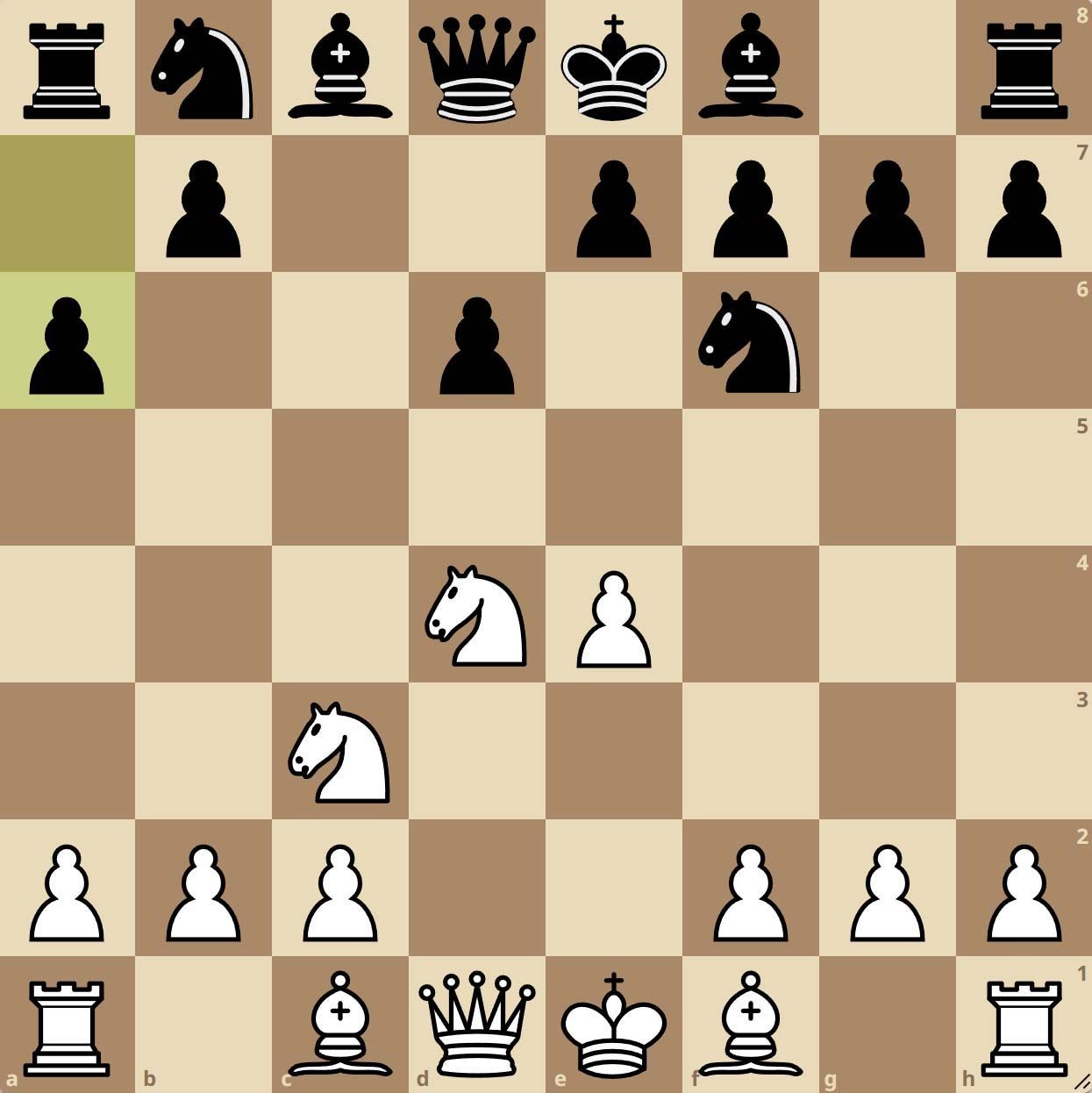
Najdorf Variation
The Najdorf is characterized by the moves
1.e4 c5 2.Nf3 d6 3.d4 cxd4 4.Nxd4 Nf6 5.Nc3 a6.
This flexible setup allows Black to adapt to White’s plans and leads to complex tactical battles.
Dragon Variation
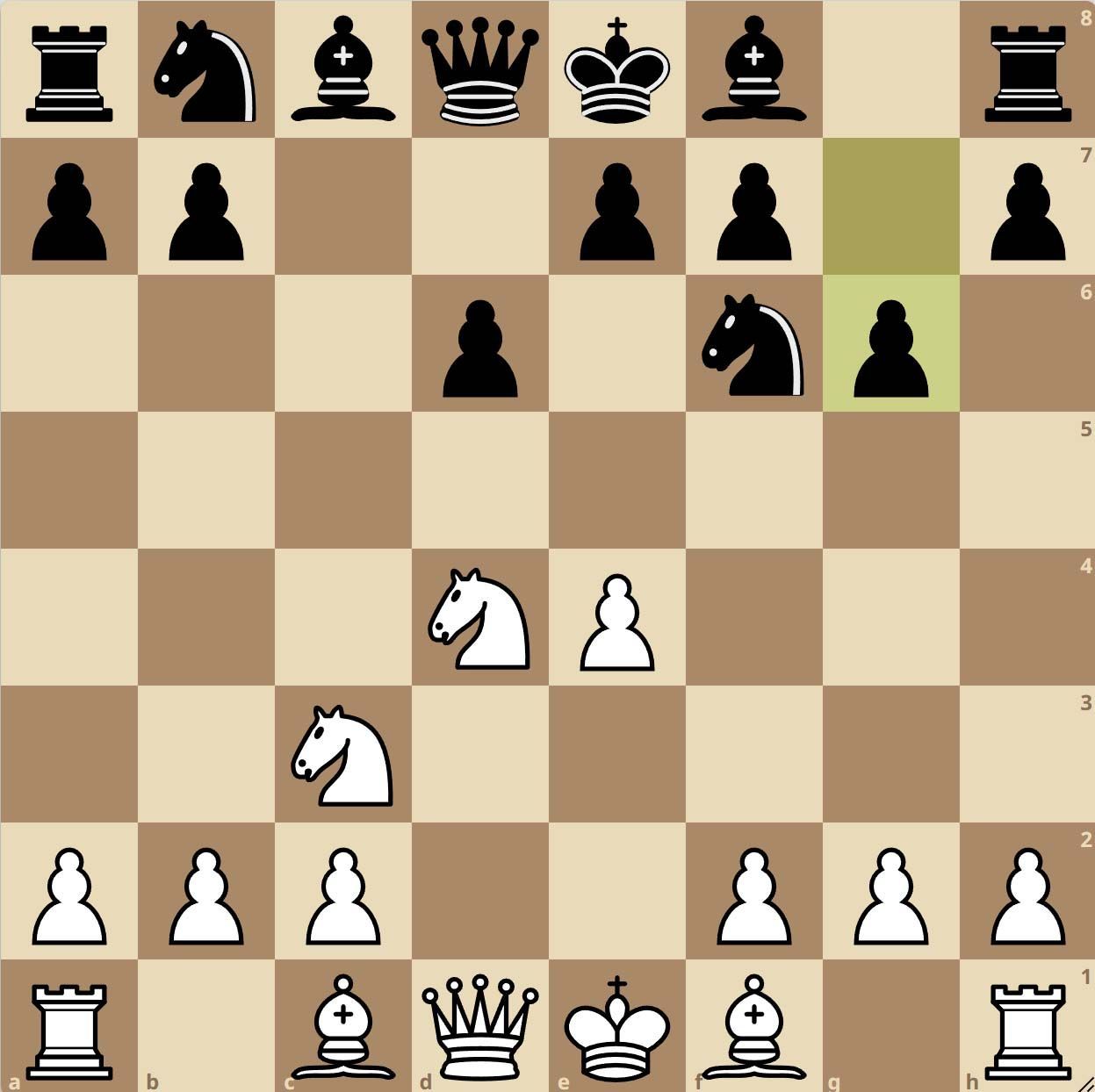
The Dragon is defined by a kingside fianchetto:
1.e4 c5 2.Nf3 d6 3.d4 cxd4 4.Nxd4 Nf6 5.Nc3 g6.
This setup gives Black counterplay on the semi-open “c” file and central pressure.
Learn more about the Sicilian Dragon
Accelerated Dragon
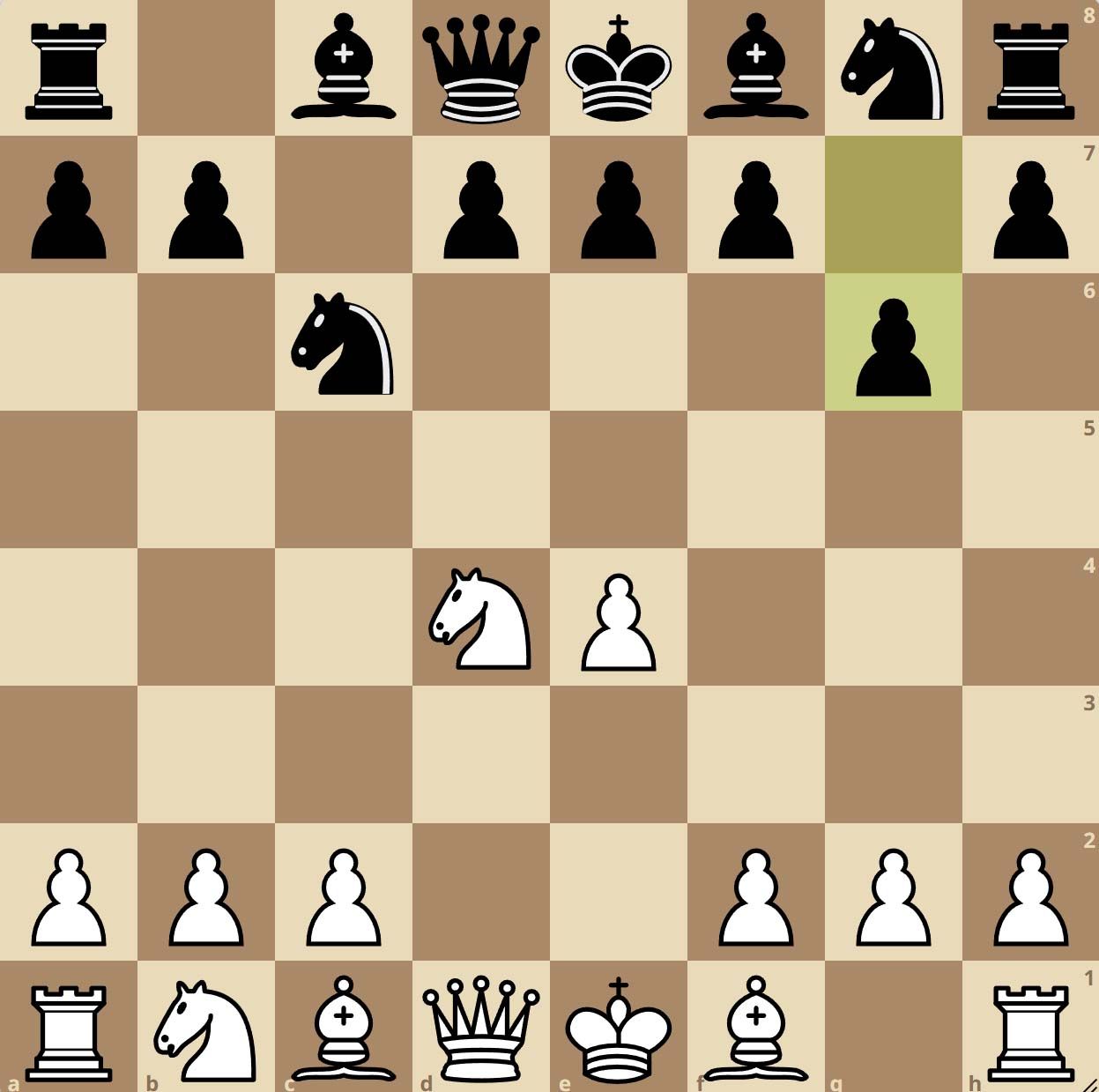
In the Accelerated Dragon, Black skips …d6 to speed up development:
1.e4 c5 2.Nf3 Nc6 3.d4 cxd4 4.Nxd4 g6.
This line offers a more flexible structure and avoids early weaknesses on the queenside.
Scheveningen Variation
In this variation, Black builds a solid, flexible structure:
1.e4 c5 2.Nf3 e6, followed by …d6 and …Nc6.
Scheveningen setups allow counterplay on both wings and shine especially in the middlegame.

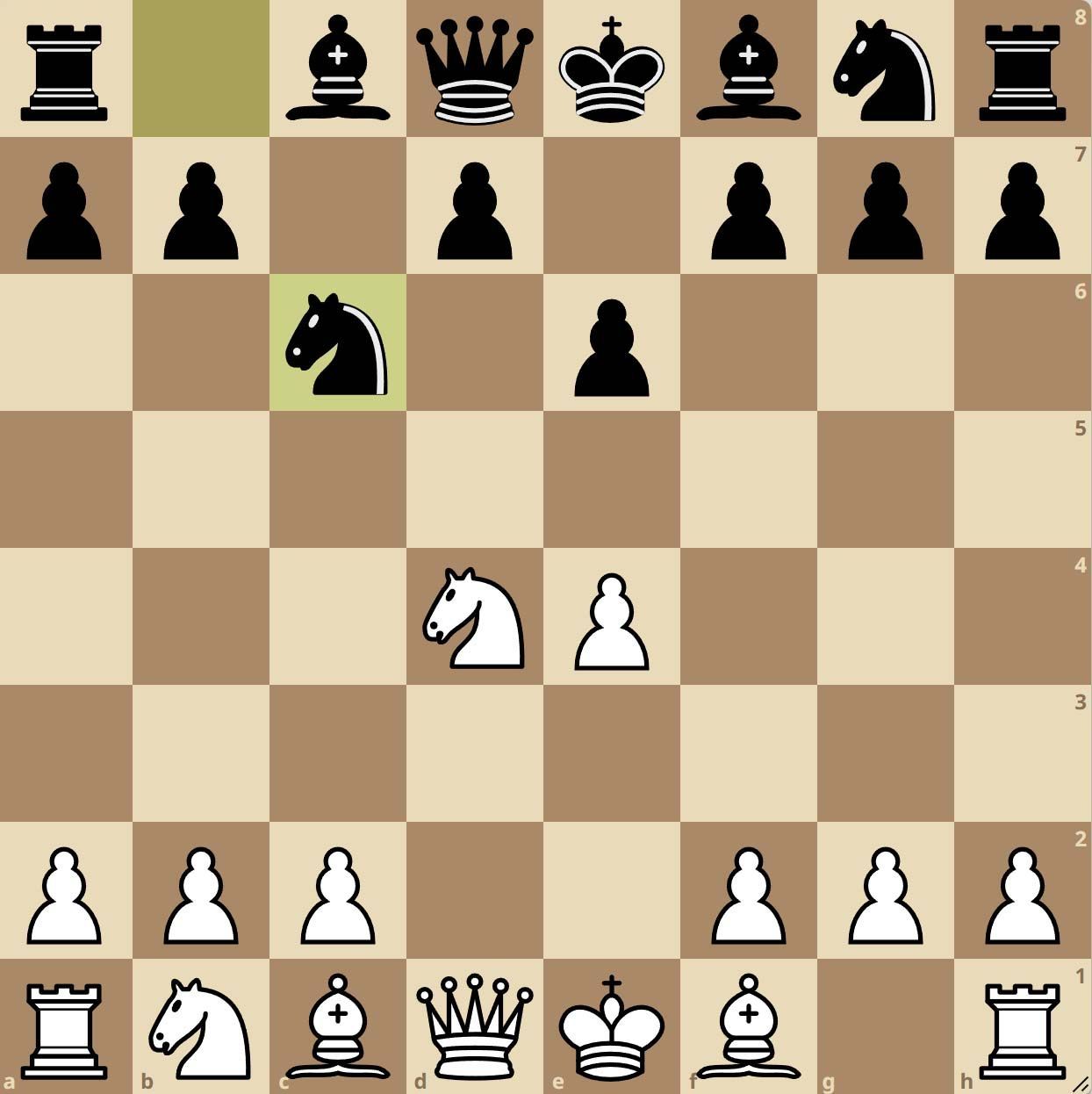
Taimanov Variation
This modern approach starts with
1.e4 c5 2.Nf3 e6 3.d4 cxd4 4.Nxd4 Nc6.
Taimanov allows balanced development and adaptable responses.
Paulsen Variation
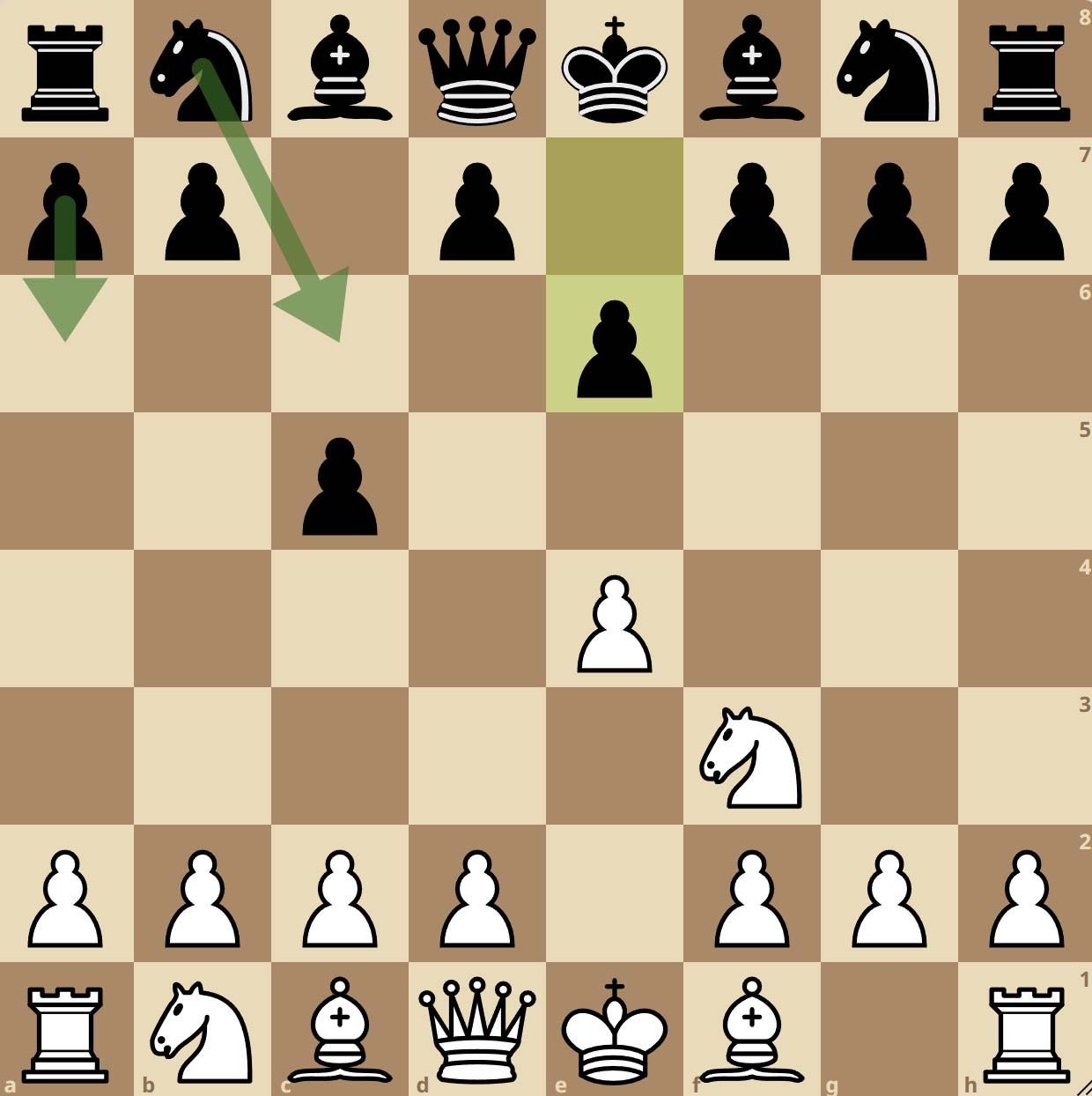
Paulsen setups are similar to Taimanov but offer even more move-order flexibility:
1.e4 c5 2.Nf3 e6, usually followed by …Nc6 and …a6, providing central counterplay options.
Learn more about the Sicilian Paulsen
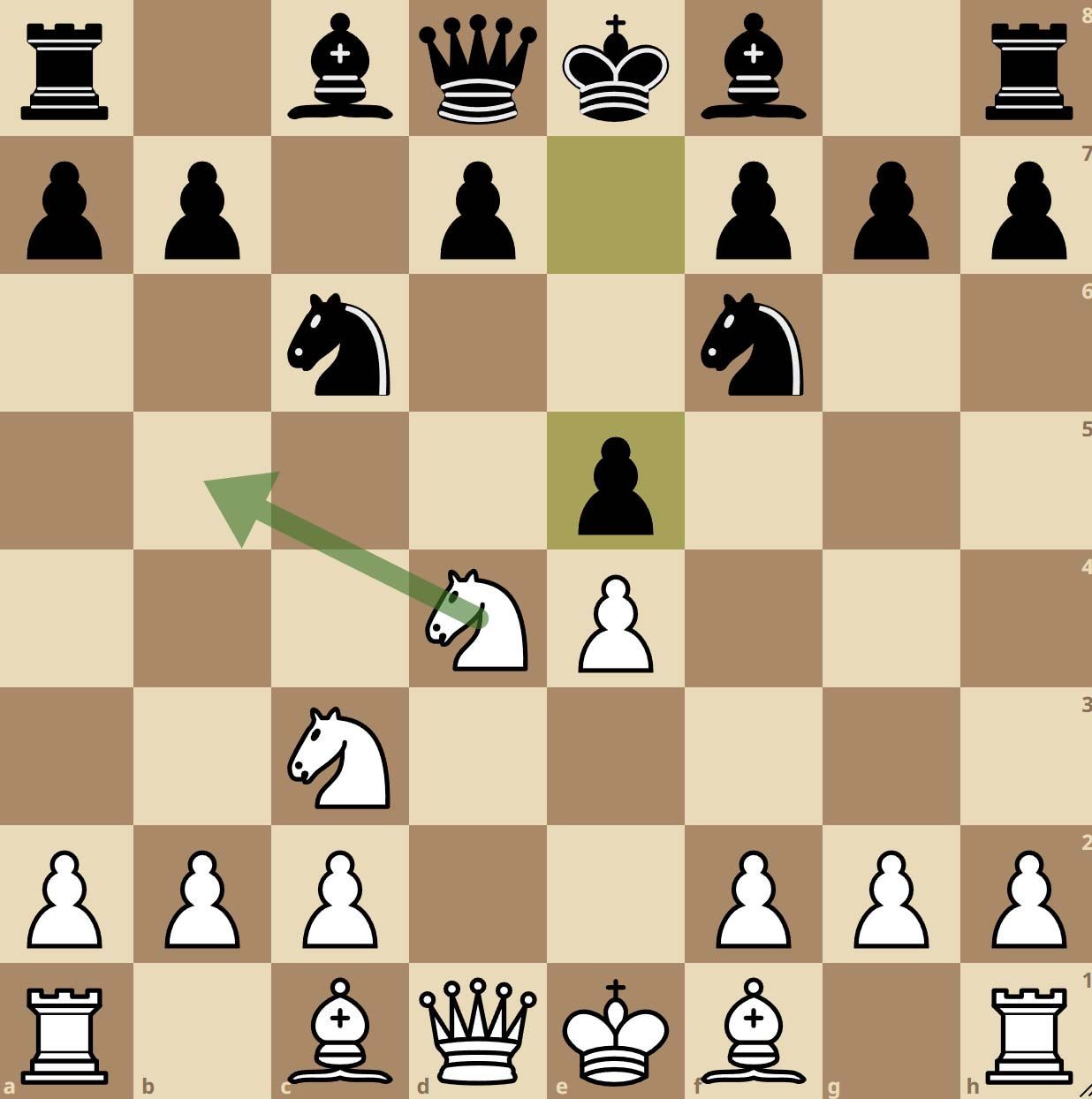
Pelikan or Sveshnikov Variation
This aggressive line begins with
1.e4 c5 2.Nf3 Nc6 3.d4 cxd4 4.Nxd4 Nf6 5.Nc3 e5.
Black creates immediate central tension and aims to dominate the d5 square while disrupting White’s pawn structure.
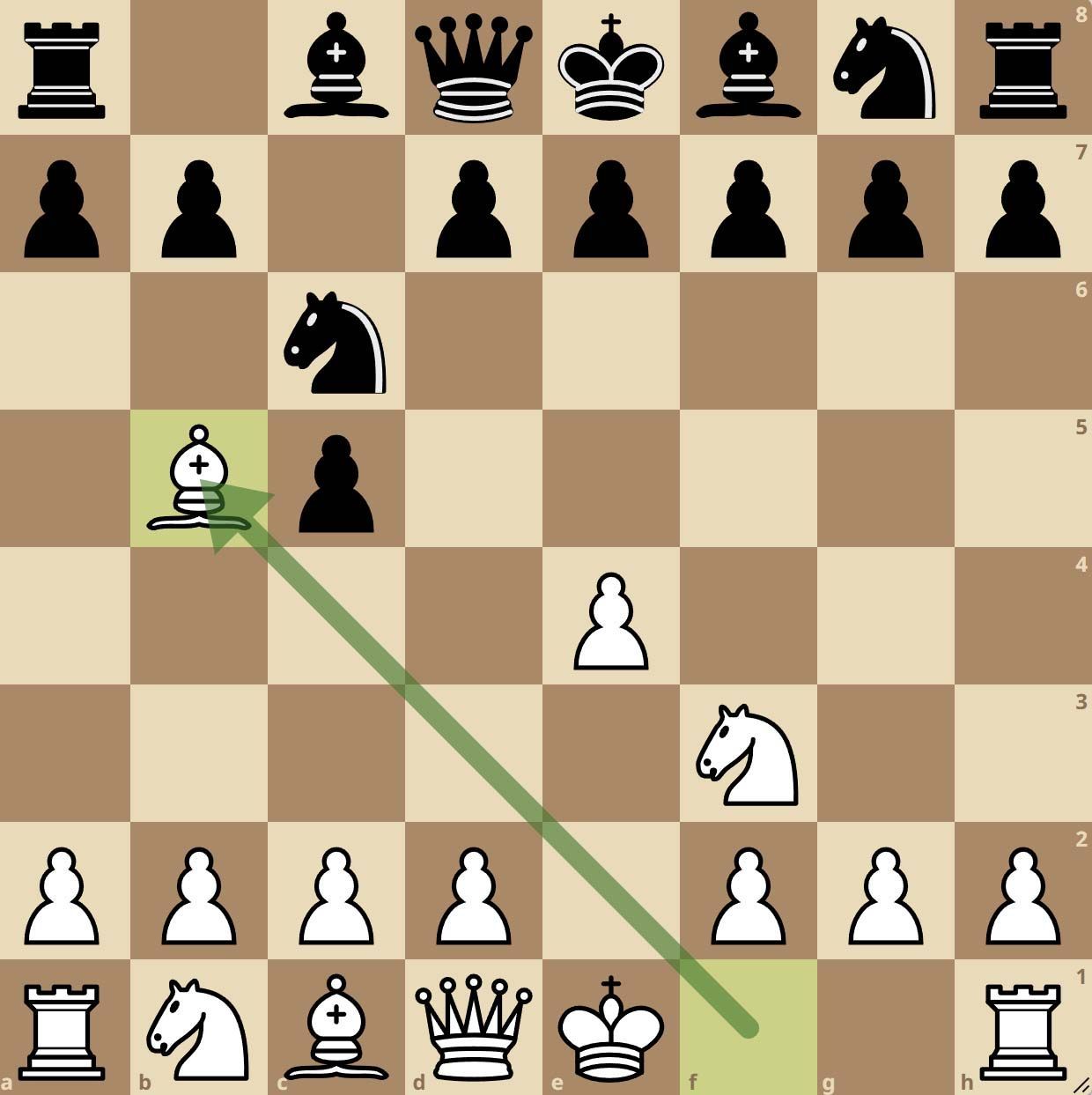
Rossolimo Variation
Rossolimo arises when White plays
1.e4 c5 2.Nf3 Nc6 3.Bb5.
This system avoids open Sicilian lines and leads to a more positional game, targeting key squares and queenside pressure.
It also allows White to step outside mainline Sicilians, similar to the Alapin Variation
Learn more about the Rossolimo Attack
Tips for Playing the Sicilian Defense
- Study pawn structures: The Sicilian can lead to a wide range of pawn structures. Understanding their impact is key to developing sound strategies.
- Understand counterplay: While White occupies the center early, the Sicilian offers many counterattacking chances, especially on the queenside and via the “c” file.
- Prepare for the variations: The Sicilian has a vast amount of theory. Being familiar with typical lines will help you avoid falling behind in the opening.
Conclusion
The Sicilian Defense is a complex and rich opening, ideal for players who want to play actively and challenge central control. Its broad range of variations suits all styles, from tactical skirmishes to strategic battles. With practice and study, the Sicilian can become a powerful weapon for Black at any level.
If you want to learn more about the Sicilian Defense, its lines, and middlegame plans, join our online chess school, your first class is FREE!


