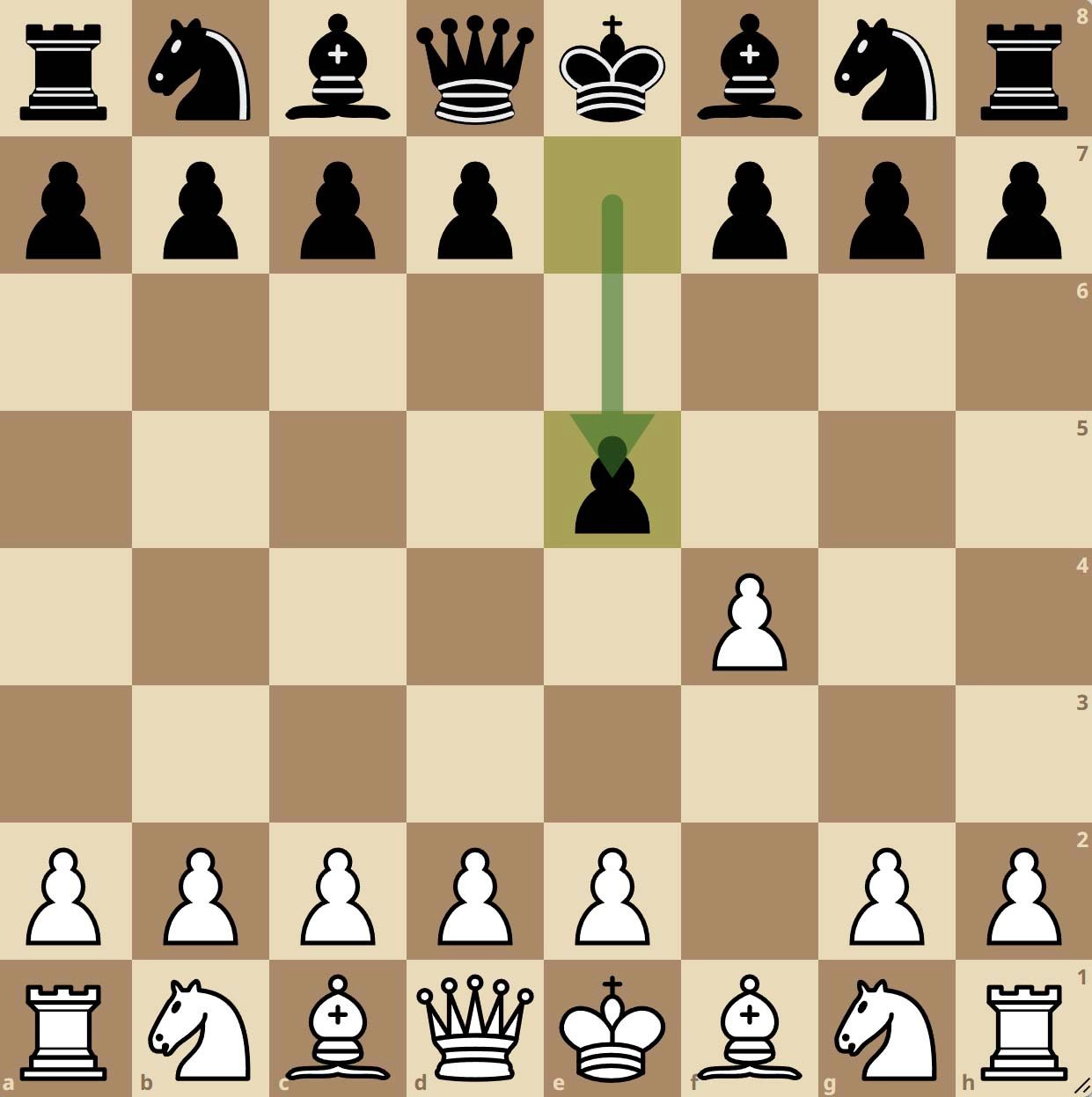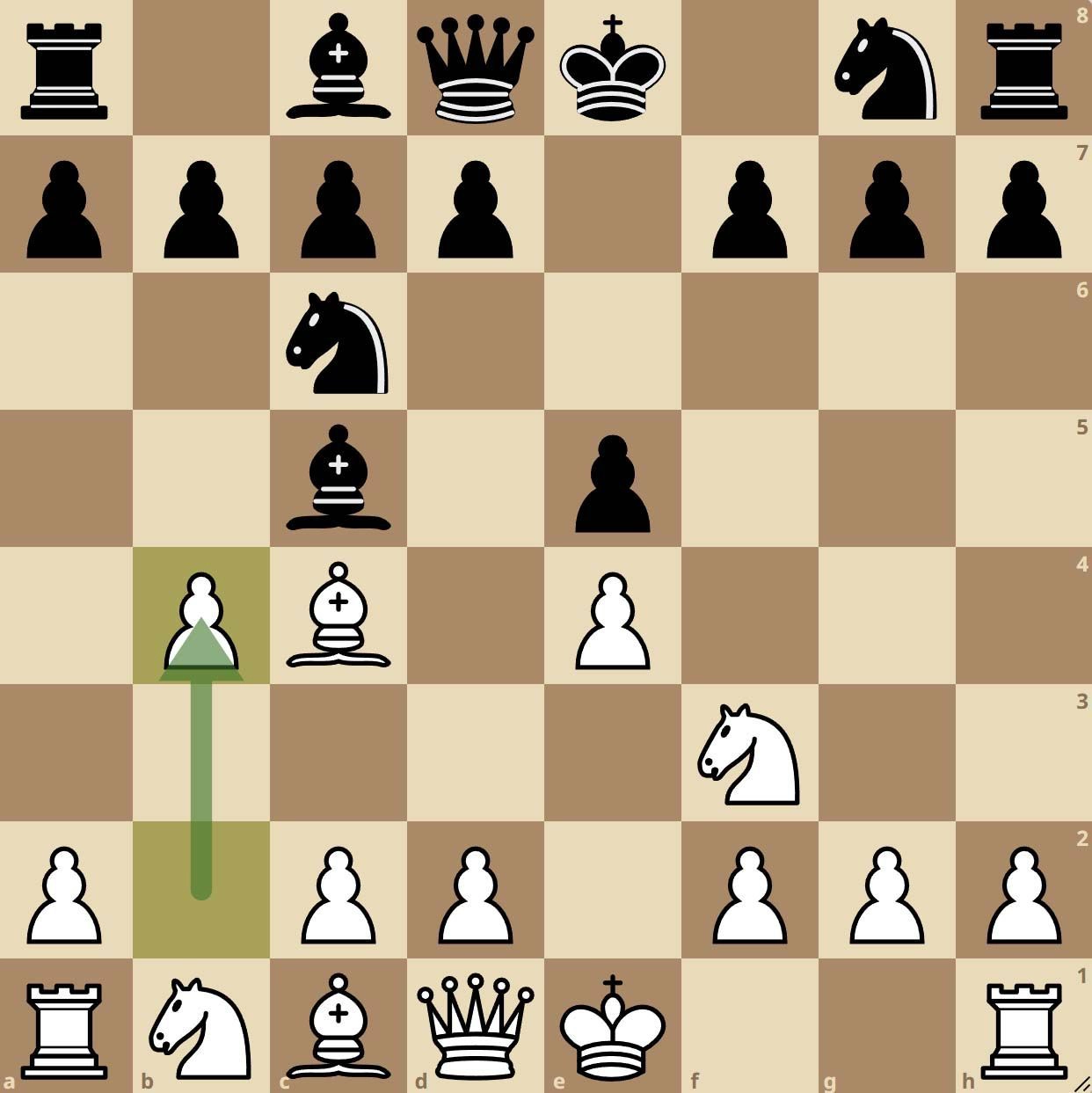

The Staunton Gambit is an aggressive opening that White uses against the Dutch Defense, aiming to sacrifice a pawn in order to gain quick initiative and attack the opponent’s kingside. Although it is not as common in modern elite chess, it remains an interesting option for players who seek dynamic and tactical positions.
What is the Staunton Gambit?
The Staunton Gambit is characterized by the moves:
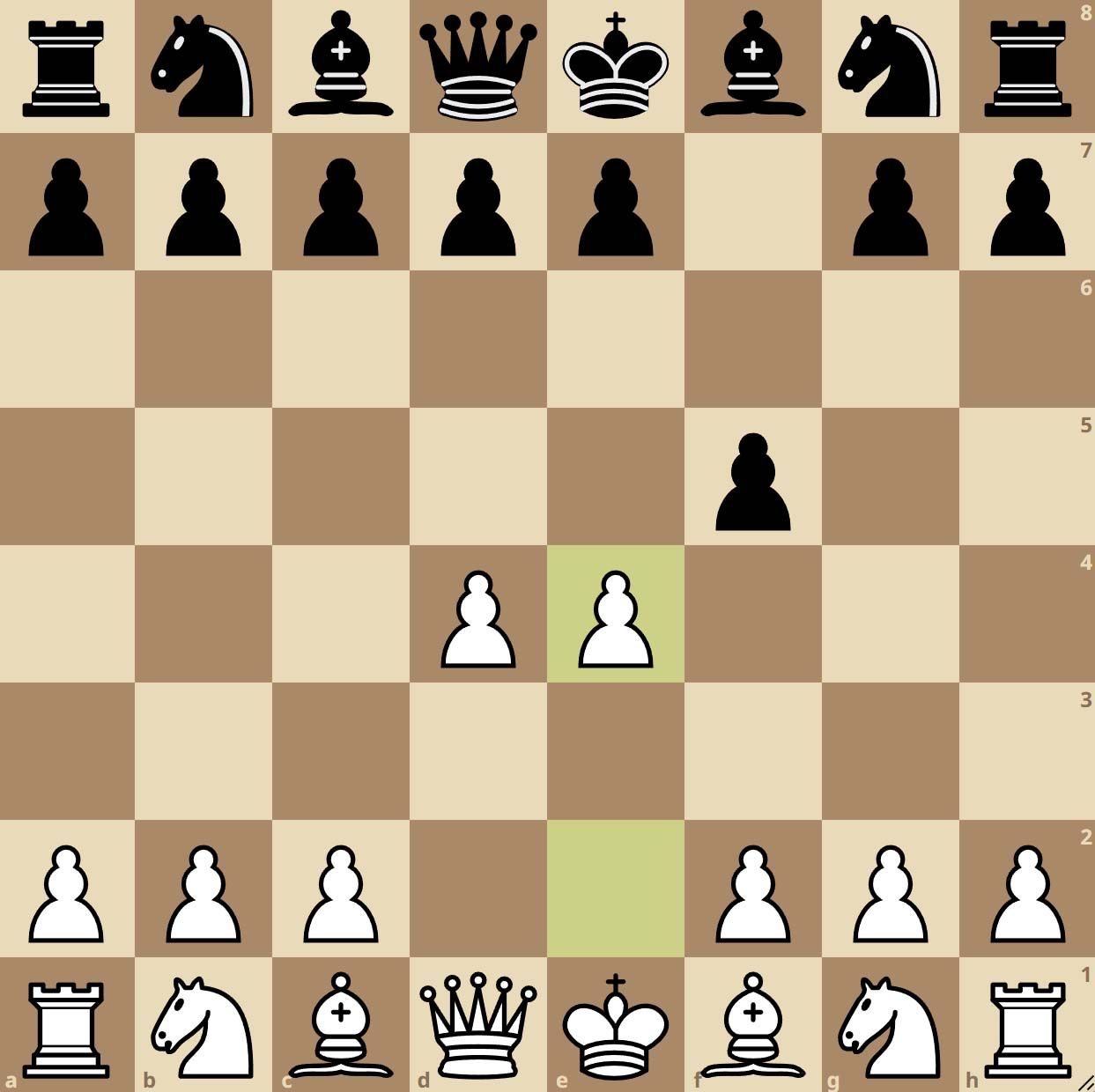
1. d4 f5 2. e4
With 2. e4, White offers a pawn in exchange for rapid piece mobilization and the possibility of launching an early attack against Black’s position. This opening is named after Howard Staunton, a prominent 19th-century English player who popularized this line.
Objectives of the Staunton Gambit
By employing the Staunton Gambit, White aims to:
- Rapid development: Sacrificing the e4 pawn allows White to develop the minor pieces more quickly, especially the knights and bishops, facilitating early coordination for an attack.
- Central control: Although White gives up a central pawn, the goal is to establish strong central influence through moves like f3 and Nc3, challenging Black’s presence in the center.
- Kingside initiative: Opening lines and diagonals is aimed at launching a direct attack against Black’s castled king, taking advantage of the weakness created by Black’s early …f5 pawn advance.
Staunton Gambit Variations
1. Main Line
In this line, Black accepts the gambit and White develops the pieces in order to put pressure on Black’s position.
1. d4 f5 2. e4 fxe4 3. Cc3 Cf6 4. Ag5
White develops the bishop to g5, pinning the knight on f6 and preparing a potential attack in the center and on the kingside. Black must play accurately in order to neutralize White’s initiative.

2. Tartakower Variation
Named after Grandmaster Savielly Tartakower, this variation aims to destabilize Black’s pawn structure on the kingside.
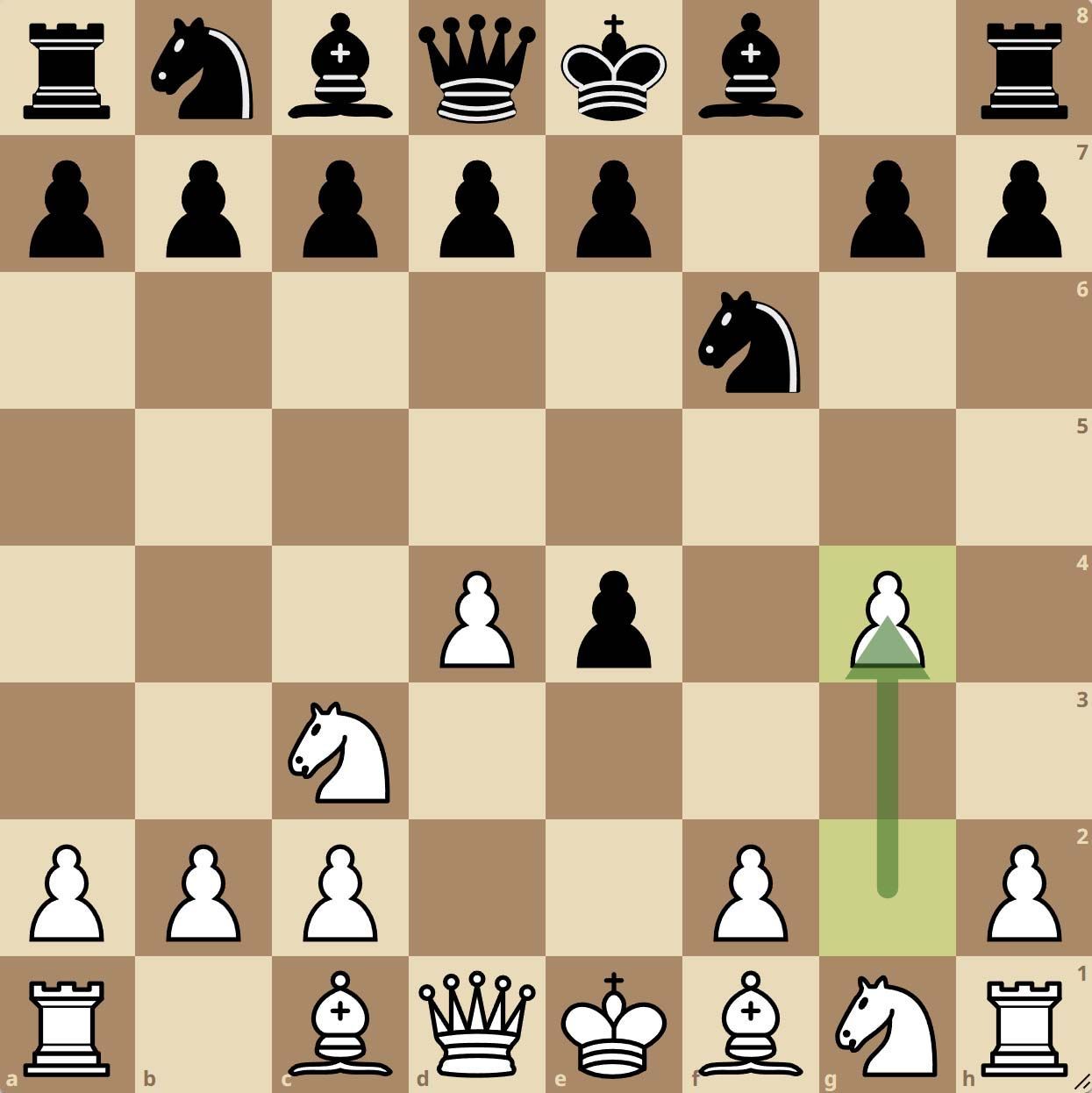
1. d4 f5 2. e4 fxe4 3. Cc3 Cf6 4. g4
With 4. g4, White tries to open lines quickly on the kingside, sacrificing additional material in order to gain strong initiative. Black must respond carefully, and a precise move is 4… h6 to challenge White’s advance.
3. Nimzowitsch Variation
This line is named after the legendary player Aron Nimzowitsch and is characterized by solid development from Black.
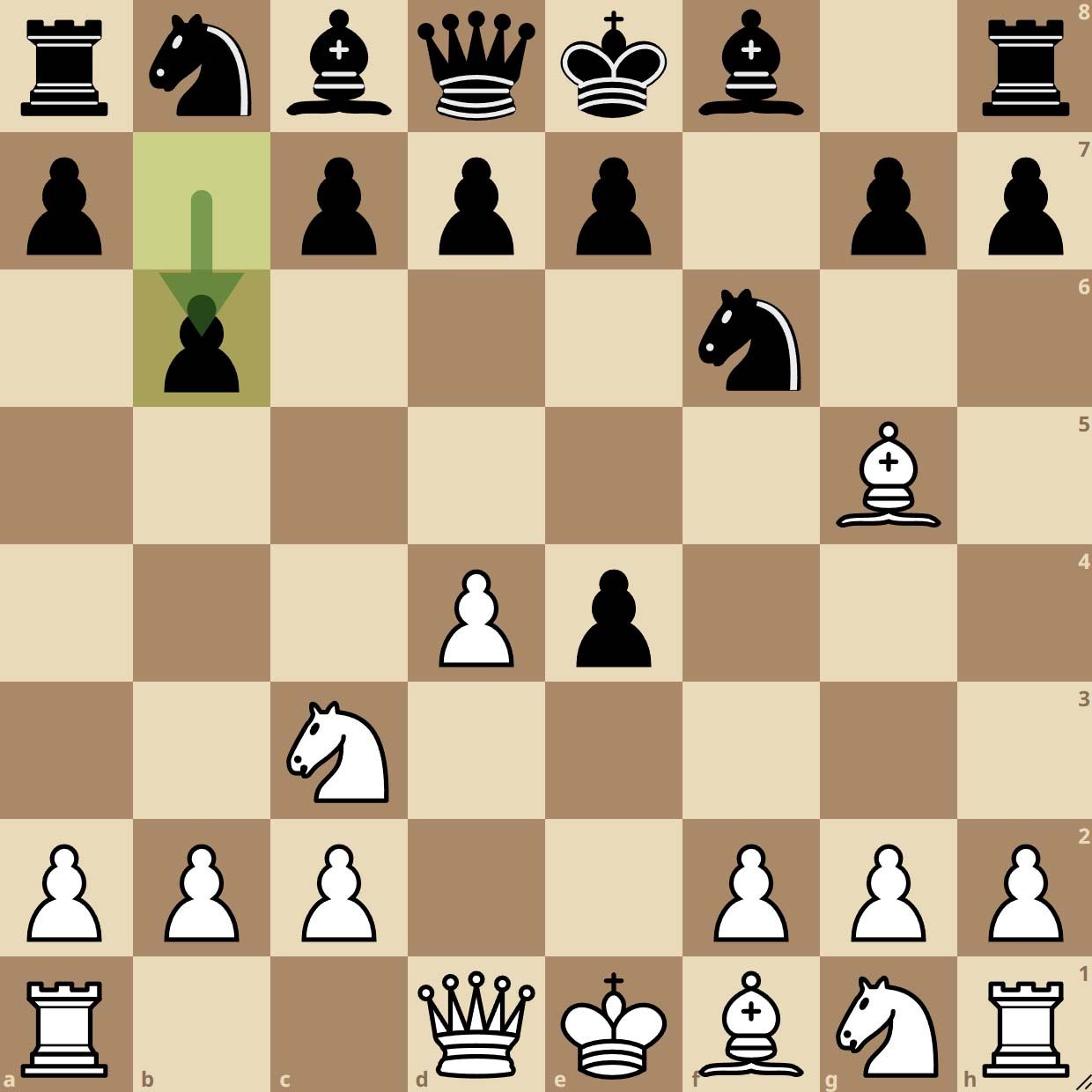
1. d4 f5 2. e4 fxe4 3. Cc3 Cf6 4. Ag5 b6
Black prepares to develop the bishop to b7, aiming to reinforce control over the central squares and consolidate the position before countering White’s initiative.
Comparison of the main variations
| Variation | Advantages | Disadvantages |
|---|---|---|
| Main Line | Natural development and pressure on the f6 knight | Black can defend accurately and neutralize the initiative |
| Tartakower Variation | Aggressive play and the possibility of quick kingside attacks | Requires additional sacrifices and may leave White down material if the attack fails |
| Nimzowitsch Variation | Solid development and preparation for counterplay | It can become passive if Black does not take advantage of counterplay opportunities |
Tips for playing the Staunton Gambit
To use the Staunton Gambit effectively, consider the following tips:
- Study the main lines: Familiarize yourself with the key variations and Black’s typical responses so you are prepared for different approaches.
- Rapid development: Prioritize developing your minor pieces and aim to castle quickly in order to keep your king safe.
- Central control: Use moves like f3 and Nc3 to challenge Black’s central control and open lines for your pieces.
- Calculate sacrifices: Before making additional sacrifices, make sure they provide sufficient compensation and do not leave your position vulnerable without enough initiative.
Conclusion
The Staunton Gambit offers White an aggressive and dynamic way to face the Dutch Defense, aiming for quick initiative and attacking chances. Although it carries certain risks, a deep understanding of its variations and middlegame plans can lead to exciting and satisfying games for those who enjoy tactical play.
If you want to learn more about the Staunton Gambit, its lines, and its typical middlegame plans, sign up for our online chess school, where we offer the first class FREE!