
King safety is one of the fundamental principles in chess, as the ultimate goal of the game is to checkmate the opposing king. However, it’s not only about avoiding an immediate checkmate, but also about creating a position where the king is as protected as possible throughout the game. King safety influences decisions in the opening, middlegame, and even the endgame.
In this article, we’ll explore how to keep your king safe, how to recognize threats to its safety, and how to protect it effectively, without limiting your attacking opportunities.
Why is king safety so important?
In chess, the king is the most important piece, but also the most vulnerable. Unlike other pieces that can move freely around the board, the king has limited mobility, making it an easy target if not properly protected. Lack of king safety can be decisive at any point in the game, as a well-executed attack can lead to checkmate, abruptly ending the game.
Throughout the game, players must keep their own king’s safety in mind while trying to weaken the defense of the enemy king. King safety affects both tactical and strategic decisions, from the opening to the endgame, and plays a crucial role in creating attacking chances.
1. Castling: The king’s first line of defense
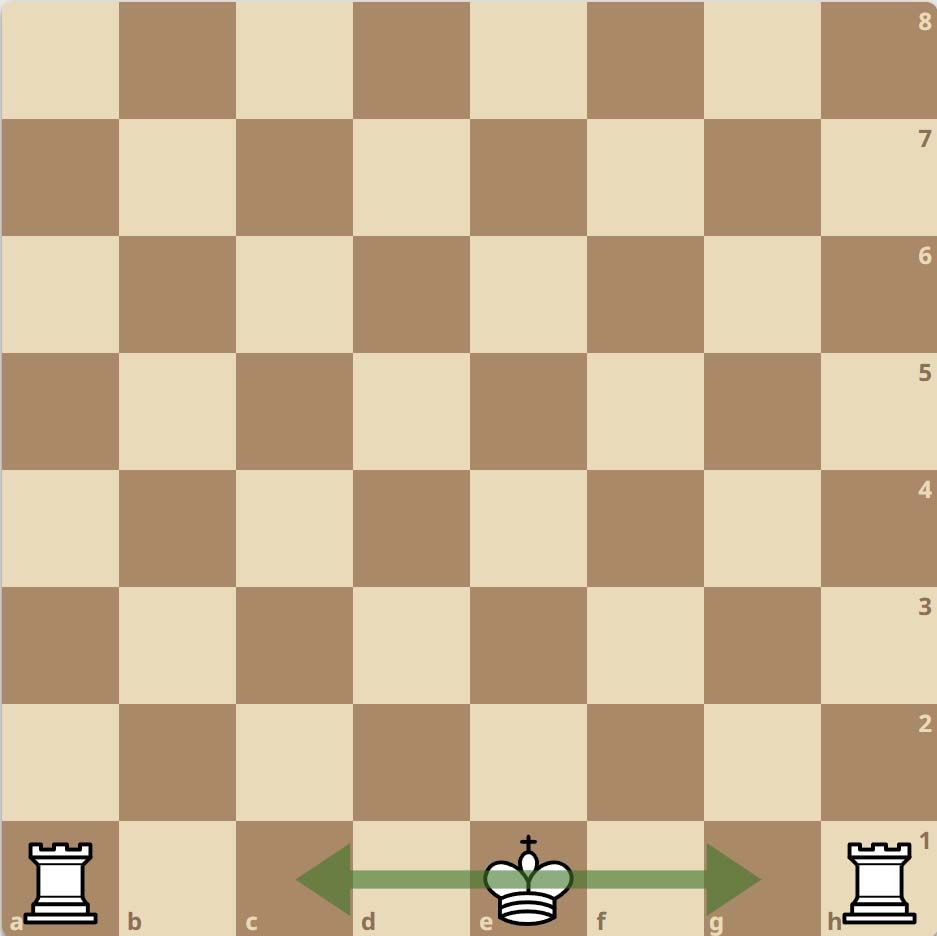
One of the first measures a player takes to protect the king is castling. Castling is a special move that allows the king to move to a safer square, usually toward the edge of the board, while the rook moves to the other side of the king, creating a defensive “wall.” This move is essential in the early stages of the game, as it puts the king in a safer position and connects the rooks, which is useful for piece development.
2. The importance of a solid pawn structure
One of the most effective ways to ensure king safety is to maintain a solid pawn structure around it. Pawns play a crucial role in defending the king by forming a barrier that prevents the opponent’s pieces from reaching the king quickly. This pawn wall also helps block direct attacks.
2.1 The pawn “castle”
The concept of a pawn “castle” refers to a formation where pawns surround the king, creating an impenetrable defense. This castle, when well organized, provides excellent protection against attacks and ensures the king is guarded from all flanks. The pawn structure should remain intact after castling, avoiding moves that could create weaknesses around the king, such as isolated or doubled pawns.

2.2 Avoiding pawn weaknesses on the flank
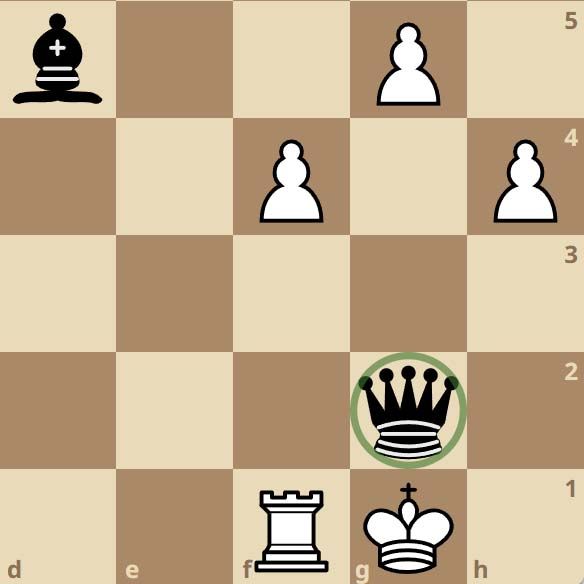
In the opening, it’s vital to avoid overmoving the pawns that protect the king, especially on the kingside. For example, moving the “h2” pawn to h3 or h4 early in the game may open up the flank and weaken the king’s protection, something an opponent could exploit. Maintaining a solid pawn formation on either kingside or queenside (depending on the castling side) is essential for king safety.
You can learn more about pawn structures here.
3. The extended center and its role in king safety
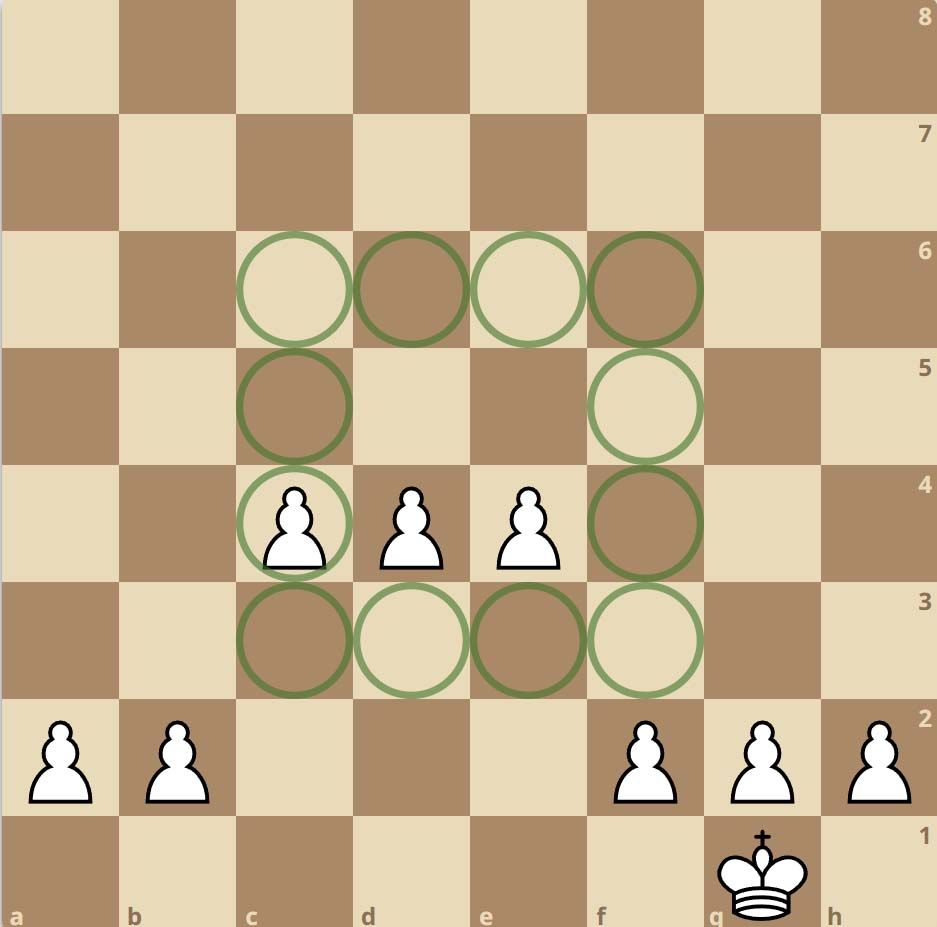
The concept of the extended center refers to expanding control over the board’s center with pawns, occupying more space, and creating a dominant position. The extended center can serve as both an offensive and defensive tool; when used properly, it protects the king by preventing enemy pieces from infiltrating key squares.
3.1 How does the extended center influence king safety?
An extended center in chess not only provides greater control over the board but also restricts your opponent’s options by limiting their ability to attack your king. If your king has castled to a flank, a strong and well-defended center acts as a protective barrier, making enemy attacks less effective.
When the center is occupied by pawns (e.g., with pawns on d4 and e4 or c4 and d3), it prevents the opponent from easily advancing in the center or flanks, reducing the chance of a direct attack. This gives the player time to mobilize pieces and reinforce king safety before the opponent can launch an offensive.
3.2 The extended center and opponent threats
While an extended center provides strong defense for the king, it can also create weaknesses if not managed properly. Central pawns may become isolated or backward, turning into targets for the opponent. Therefore, it’s essential for pawns to remain well-coordinated and supported by major pieces to prevent the opponent from exploiting any weakness.

4. Active piece play: Active defense
Although king safety largely depends on pawn protection, it’s also important for major pieces to actively participate in defense. Rooks and queens must be ready to cover any weakness and defend the king if needed.
4.1 Using rooks and minor pieces
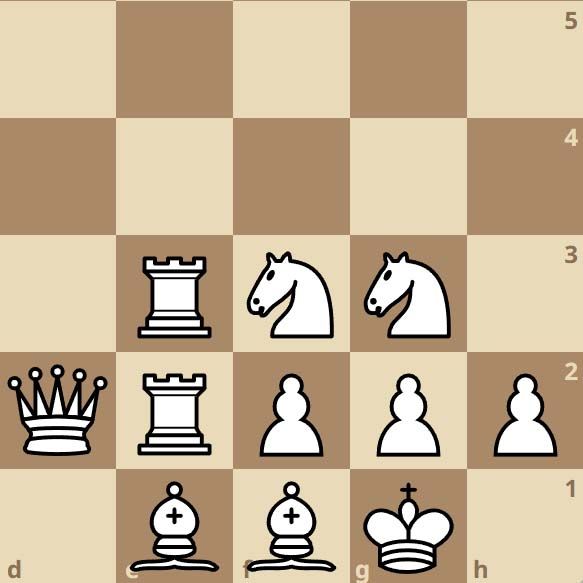
Rooks are essential for keeping the king safe, especially in the endgame, when open lines appear on the board. The player should use rooks to block enemy threats and control key squares. Additionally, minor pieces (knights and bishops) should be positioned to guard the king and help repel any attacks. Good coordination between minor and major pieces is crucial for king safety.
4.2 Avoiding overexposure
A common mistake is overexposing the king by placing too many pieces around it or moving it excessively. The king should be protected efficiently, but without becoming the center of all defense, as this can make it vulnerable to tactical attacks.
Conclusion
King safety is a crucial aspect of chess that must be managed carefully throughout the game. From castling and pawn protection to creating an extended center, every decision can influence a player’s ability to defend their king and avoid an opponent’s checkmate.
To learn more about chess strategy, or if you want to learn or improve in other areas of the game, visit our blog posts for free. 😉


