
The concept of pawn islands is fundamental in chess strategy, especially when analyzing the pawn structure of a game. Understanding it deeply can make the difference between an average player and an advanced one. In this article, we’ll explore what pawn islands are, how they affect the development of the game, and the best ways to exploit or protect them depending on the situation.
What are pawn islands?
In chess, a pawn island is defined as a group of pawns connected to each other on adjacent files, separated from other groups by empty files. Each independent set of pawns constitutes an island.
For example:
- A structure with pawns on files a, b, and c forms a single island, as long as they are connected (i.e., no empty files between them).
- If there is a pawn on file a and another on file c, separated by an empty b file, then they represent two different islands.
The number of pawn islands in a position influences several strategic aspects, such as structural weaknesses and ease of defense.

Why are pawn islands important?
The quantity and arrangement of pawn islands can determine:
1. Structural strengths and weaknesses
- Fewer pawn islands: A structure with few islands is usually more solid and easier to defend. Connected pawns can protect each other, reducing the chances of becoming targets.
- More pawn islands: A greater number of islands indicates isolated or split pawns, which creates more weaknesses in the position.
2. Piece mobility
A structure with fewer pawn islands often allows greater freedom for the pieces, since they don’t need to constantly protect weak or isolated pawns.
3. Strategic planning
The number of islands influences long-term plans. For example:
- Attacking weak pawns: In positions with many islands, isolated pawns are easy targets.
- Creating passed pawns: An efficient pawn structure makes it easier to create passed pawns in the endgame.
Common types of pawn islands
A player can have one single pawn island or several, depending on how the game develops. Let’s look at a few examples:
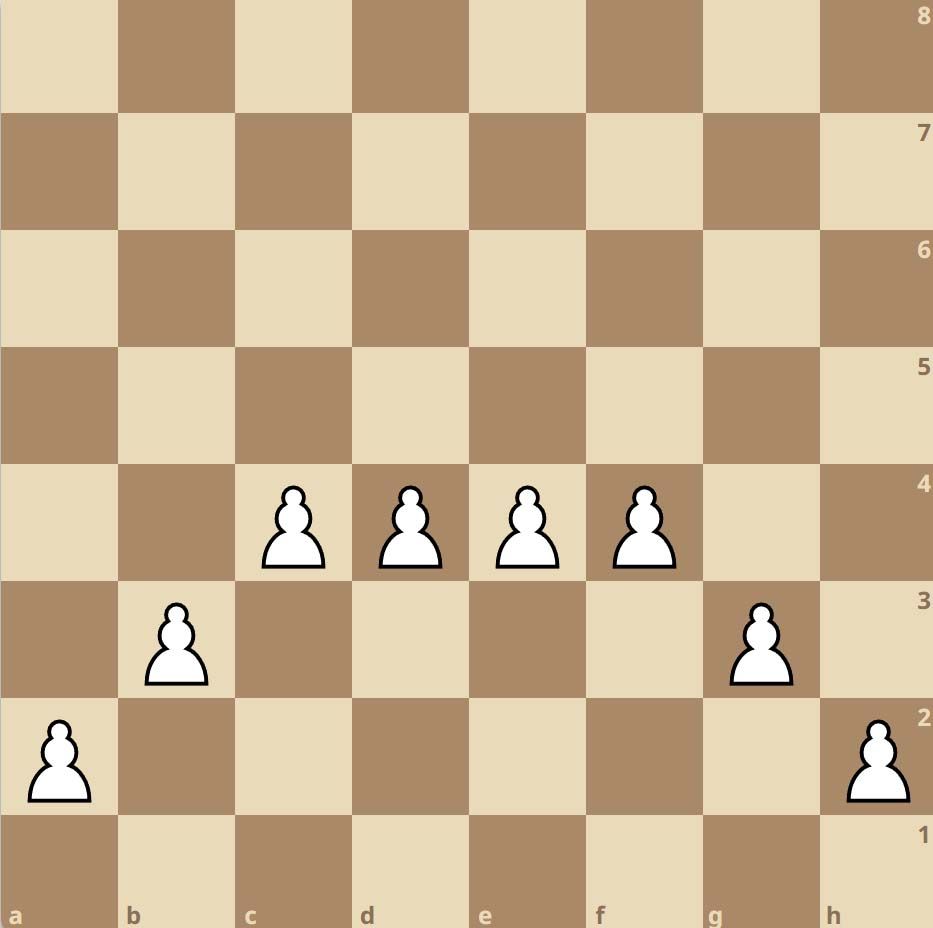
1. Single pawn island
A single pawn island is usually ideal, as it means the pawns are connected and support each other. It’s common in closed positions or endgames.
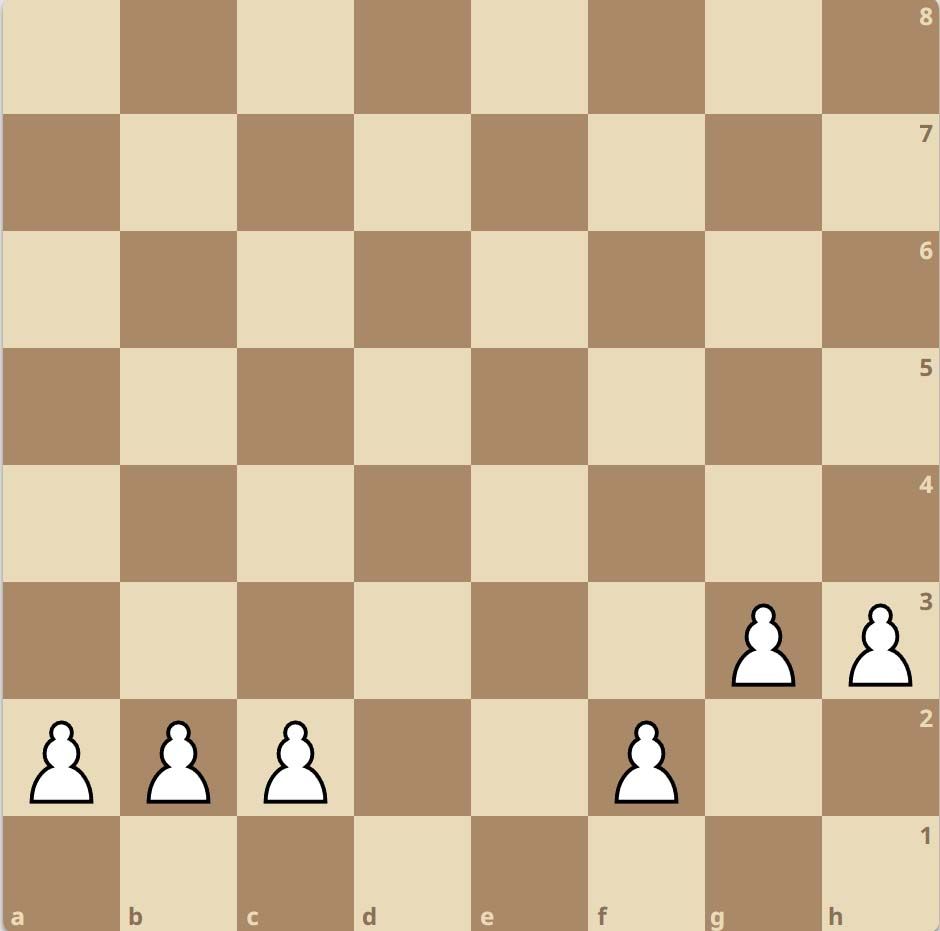
2. Two pawn islands
A configuration with two pawn islands is common in openings like the Queen’s Gambit or the Caro-Kann Defense. Although not as solid as a single island, it is still manageable if the pawns are well placed.
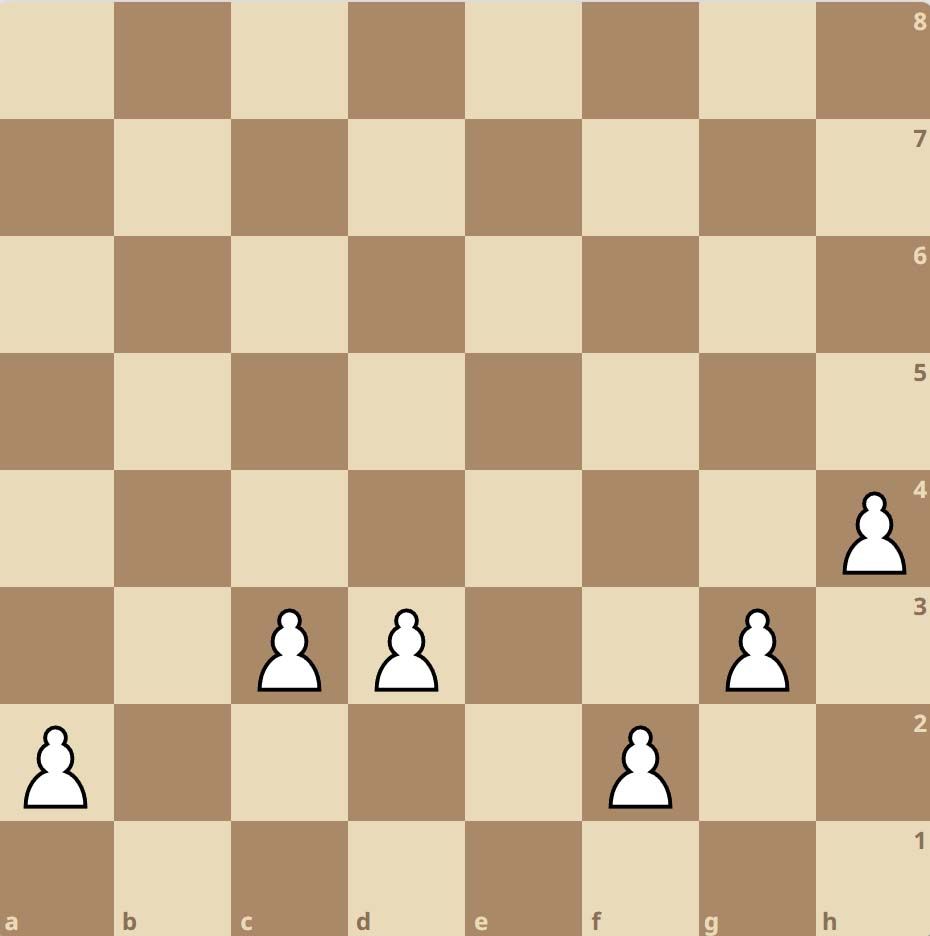
3. Multiple pawn islands
When a position has three or more pawn islands, significant weaknesses begin to appear. These structures often arise after massive exchanges or strategic mistakes.
How to evaluate and exploit pawn islands
1. Identify weaknesses
Before planning an attack, consider:
- How many islands does your opponent have?
- Are there any isolated, doubled, or backward pawns?
- How difficult will it be for your opponent to defend those weaknesses?
2. Create weak pawns on the opponent’s side
When exchanging pieces or advancing pawns, try to split your opponent’s pawn islands to create weak pawns and easy targets. This is especially effective in open positions.
3. Simplify into an endgame
In endgames, having fewer pawn islands is a huge advantage, as it becomes easier to promote a passed pawn or to restrict the opponent’s pawn advance.
How to protect your pawn islands
If you’re in a position with multiple pawn islands, the most important thing is to activate your pieces and seek counterplay. Sometimes you may lose a pawn from your weakest island, but in return you can gain compensation or even win pawns from your opponent.
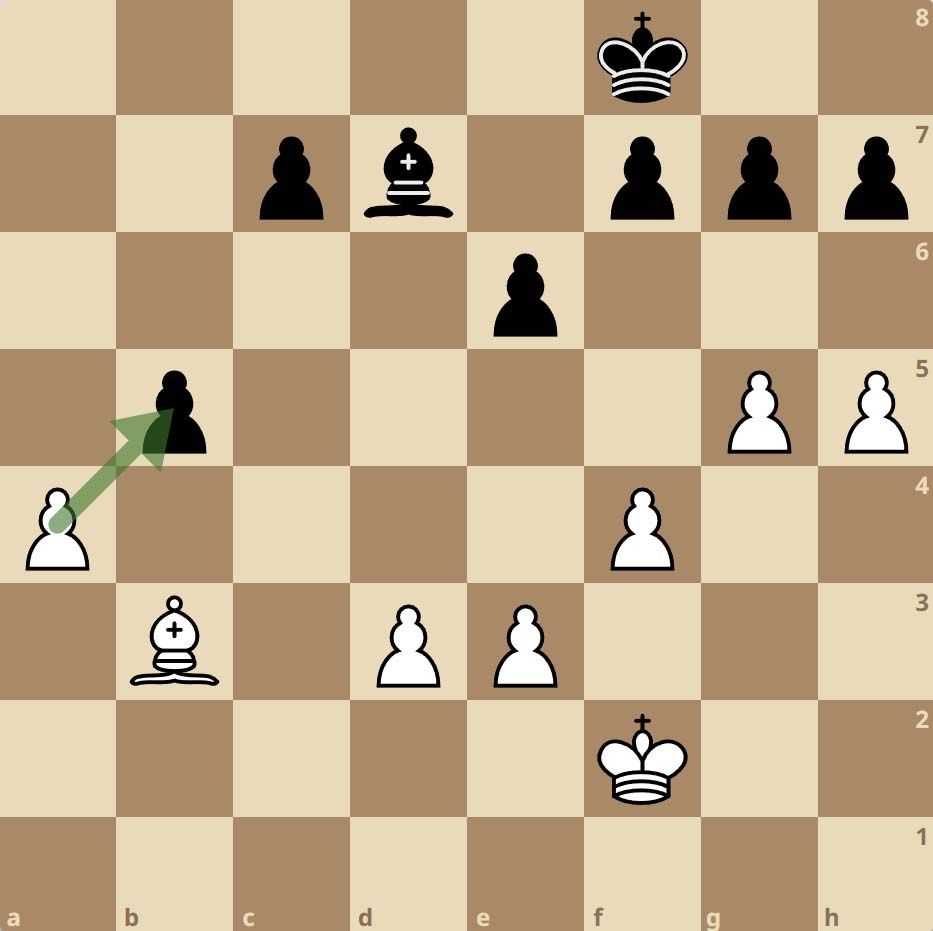
In other cases, it’s possible to trade pawns wisely. For instance, suppose you have an isolated pawn on the a file, and your opponent has pawns on the b and c files. If you exchange your a pawn for their b pawn, it may reduce your number of islands on the board and simplify your structure.
Conclusion
Pawn islands are a fundamental concept that affects every phase of the game, from opening to endgame. A solid structure with few islands can be your best defense against attacks, while exploiting your opponent’s islands is one of the most effective strategies to gain positional advantage. So next time you analyze a game, pay close attention to the pawn structure!
For more on chess strategy, or if you want to learn or improve other aspects of the game, check out the articles on our blog for free 😉


