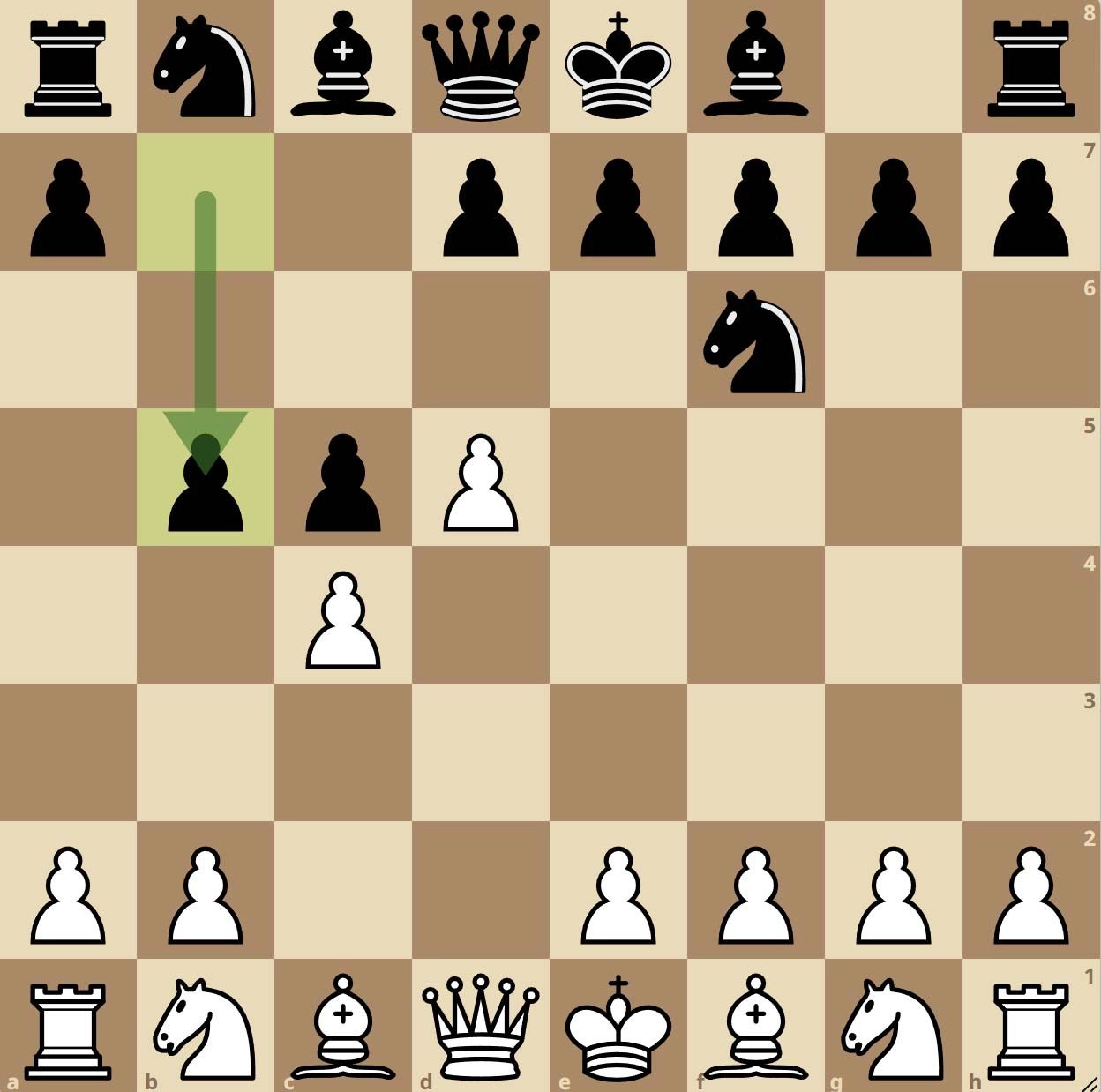
The Slav Defense is a solid and popular response to the Queen’s Gambit, characterized by a strategic approach and structured development. With the initial moves 1. d4 d5 2. c4 c6, Black aims to defend the center safely while developing their pieces efficiently. This system has been used by players of all levels, from beginners to grandmasters.
Key ideas of the Slav Defense
The Slav Defense focuses on a solid central pawn structure and fast development. With 2…c6, Black protects the d5 pawn and prepares to develop the queen’s bishop. This setup also avoids the typical weakness along the a4–e8 diagonal seen in other defenses. Key concepts include:
- Central pressure: Control of the d5 and e4 squares, limiting White’s expansion.
- …b5 expansion: In the Chebanenko and main lines, Black prepares …b5 to support the pawn on c4.
- Active piece play: Black aims to develop knights and bishops to optimal squares, especially the knight on f6 and the bishop on g4.

Main variations of the Slav Defense
1. Main Line
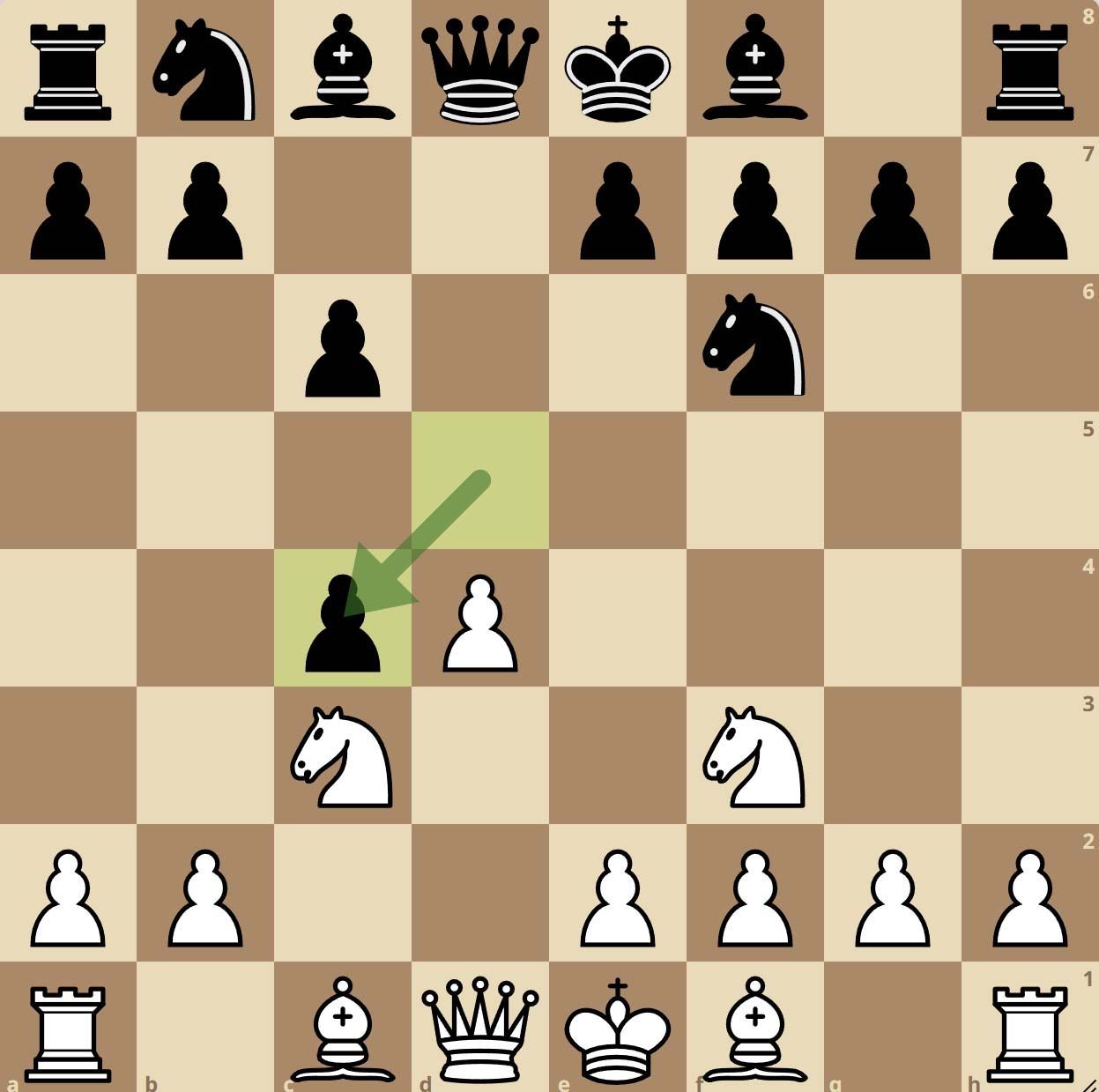
This is the classical approach, where Black captures on c4 by move 4. Black temporarily wins a pawn and will try to consolidate their structure.
Typical line: 1. d4 d5 2. c4 c6 3. Nf3 Nf6 4. Nc3 dxc4
2. Chebanenko Variation (4…a6)
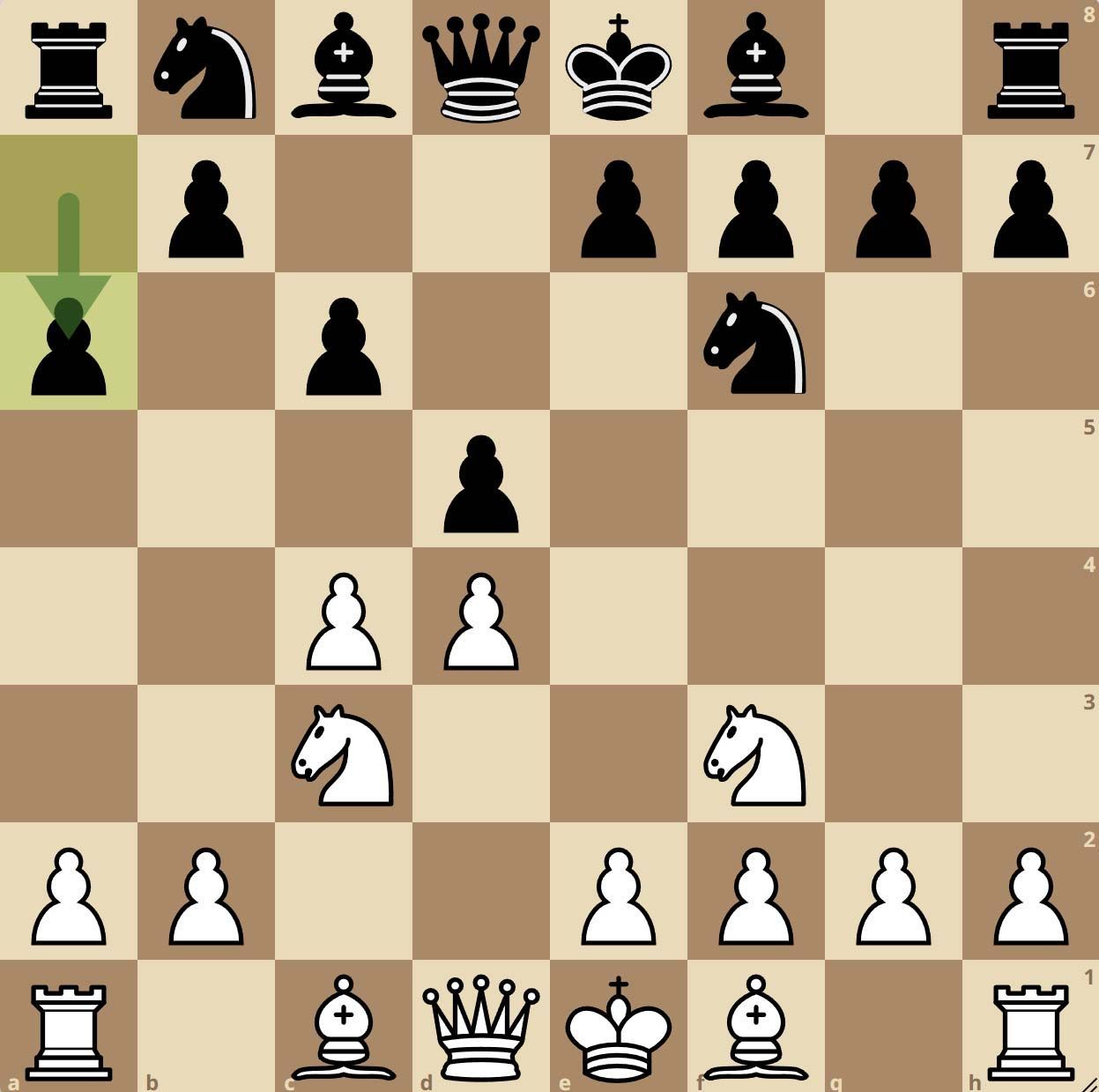
Also known as the Chebanenko Variation, the early …a6 move prepares …b5 and helps develop the queen’s bishop. It’s a modern alternative that avoids heavily theoretical main lines.
3. Semi-Slav Defense
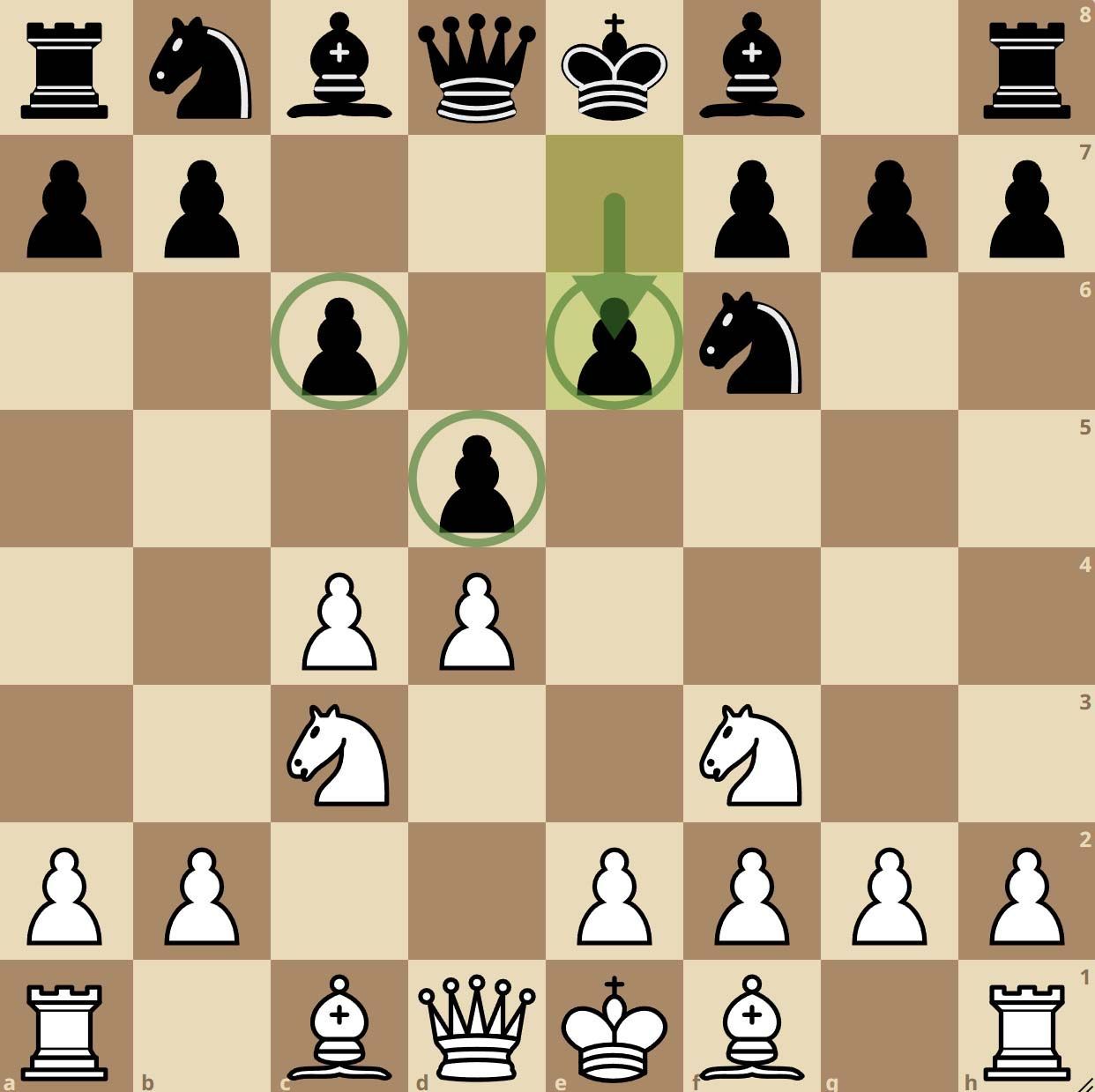
The Semi-Slav arises when Black plays …e6 instead of developing the queen’s bishop. This leads to a very solid position, often transitioning into closed or complex middlegames.
Comparison of the 3 Slav Defense variations
| Variation | Advantages | Disadvantages |
|---|---|---|
| Main Line | Temporary pawn win on c4 | Requires precision to avoid early White initiative |
| Chebanenko Variation | Flexible queenside development | May lack immediate activity |
| Semi-Slav Defense | Very solid and resilient setup | Slower development, especially of the light-squared bishop |
Pros of the Slav Defense
- Solid pawn structure: Hard to break and easy to maintain under pressure.
- Flexibility: Allows transitions into other systems like the Semi-Slav.
- Positional nature: Great for players who prefer strategic over tactical battles.
Cons of the Slav Defense
- Slow development: The queen’s bishop can be tricky to develop.
- Space disadvantage: In some variations, White may gain more space in the center and kingside.

Conclusion
The Slav Defense is an excellent choice for players looking for a solid and strategic way to handle 1.d4. Its flexibility and robustness make it a favorite among positional players. We often recommend it to our students who prefer avoiding overly sharp theoretical lines.
If you want to learn more about the Slav Defense, its lines and middlegame plans, join our online chess school, your first class is FREE!