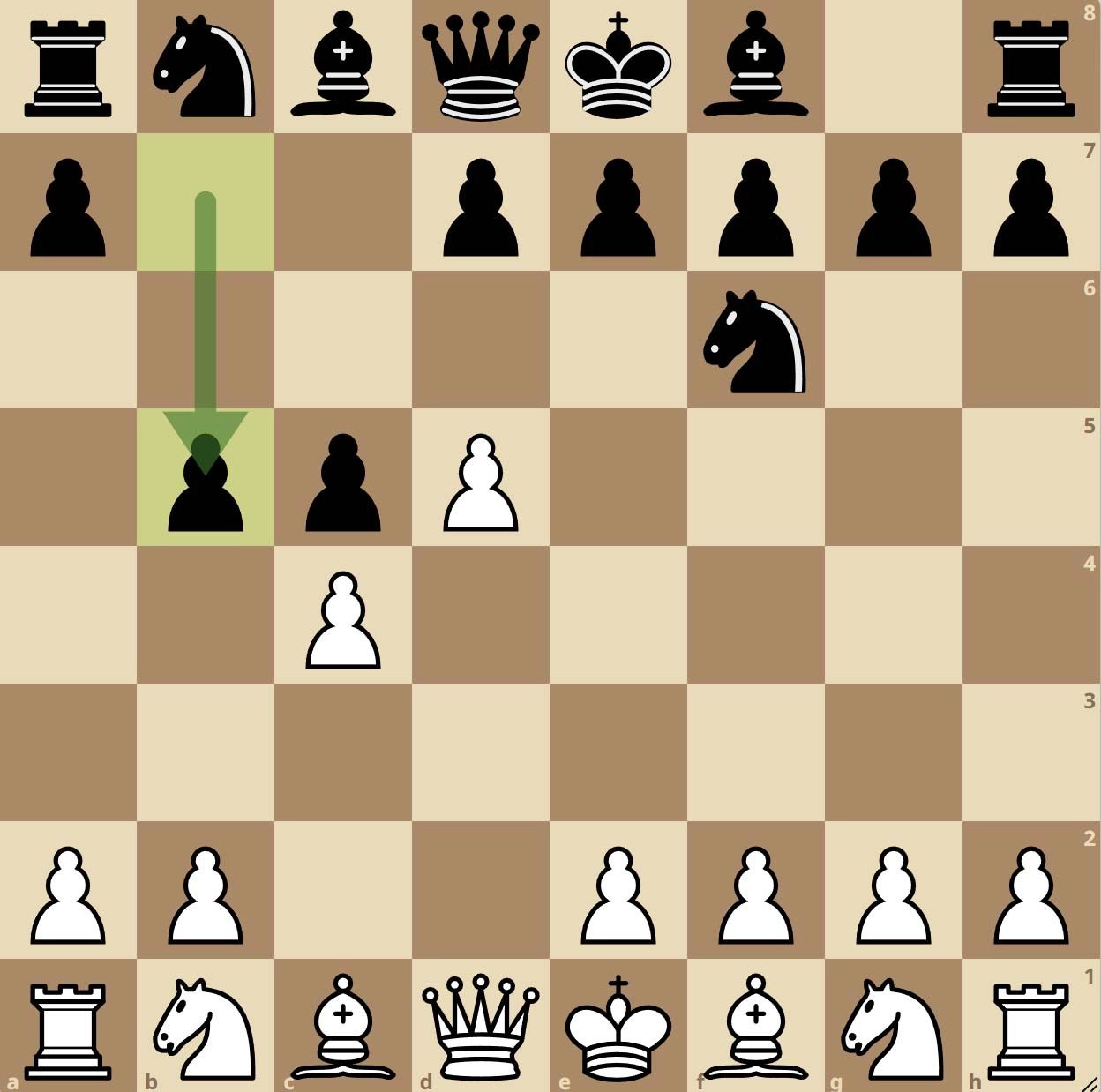
The Spanish Opening, or Ruy López, is one of the oldest and most thoroughly studied openings in chess. Famous for its rich variety and strategic depth, this opening offers both players balanced opportunities for deep and complex play.
History of the Spanish Opening
Named after the Spanish priest Ruy López de Segura, who analyzed it in the 16th century, the Spanish Opening has been embraced by legendary champions from Steinitz to Magnus Carlsen. Its longevity is a testament to its power and flexibility, and it continues to be played by grandmasters at the highest level.
Basic Moves of the Spanish Opening
The initial sequence of the Spanish Opening is:
1.e4 e5 2.Nf3 Nc6 3.Bb5
With this third move, White attacks the knight on c6, aiming to undermine the defense of the e5 pawn. The idea is to pressure the center and create tactical opportunities if Black fails to respond accurately.

Strategic Objectives of the Spanish Opening
- Control of the center: White aims to dominate the center, while Black seeks to challenge it without compromising their structure.
- Rapid piece development: The opening allows White to develop naturally and prepare for early castling.
- Flexibility: This opening branches into many variations, allowing adaptation to different playing styles and opponent responses.

Main Variations of the Spanish Opening
1. Closed Variation
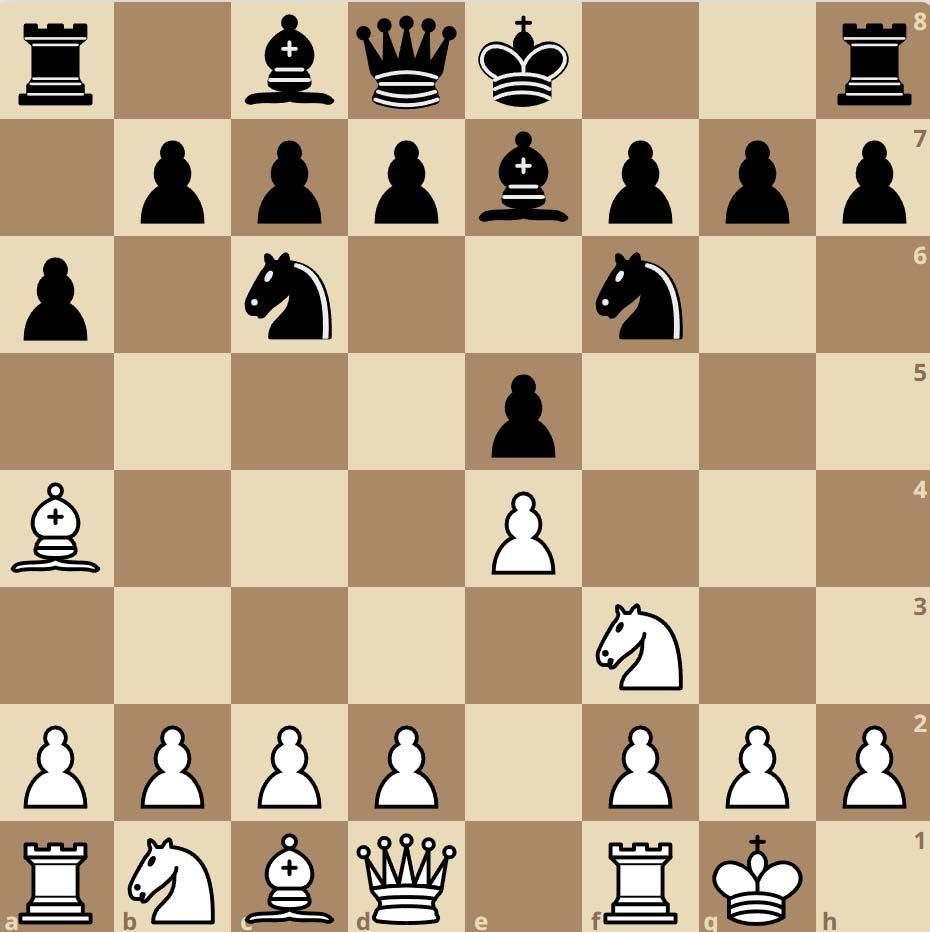
The Closed Variation is one of the most solid and popular responses for Black. After 3…a6 4.Ba4 Nf6 5.O-O Be7, Black develops into a solid setup, often preparing the central break with …d5. This setup is frequently used in top-level chess.
2. Open Variation
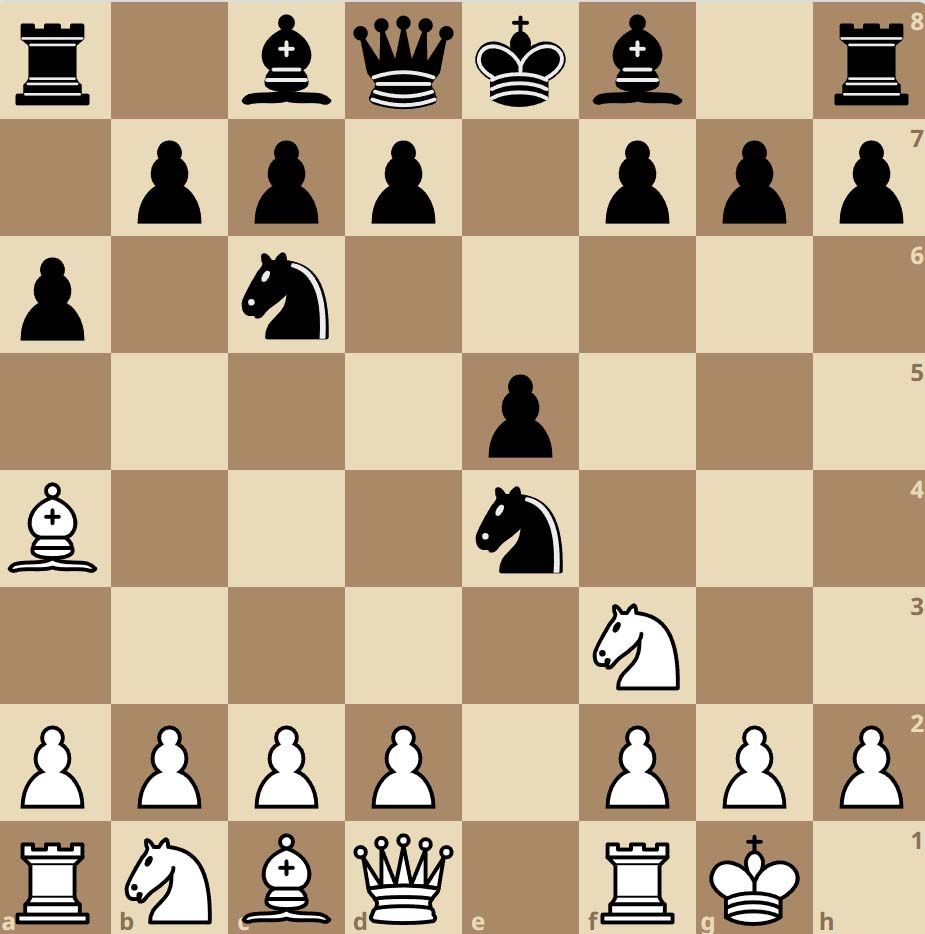
The Open Variation is characterized by 5…Nxe4, where Black captures the pawn on e4, opening the position and leading to sharp tactical play. White must respond accurately to retain an edge.
3. Morphy Defense
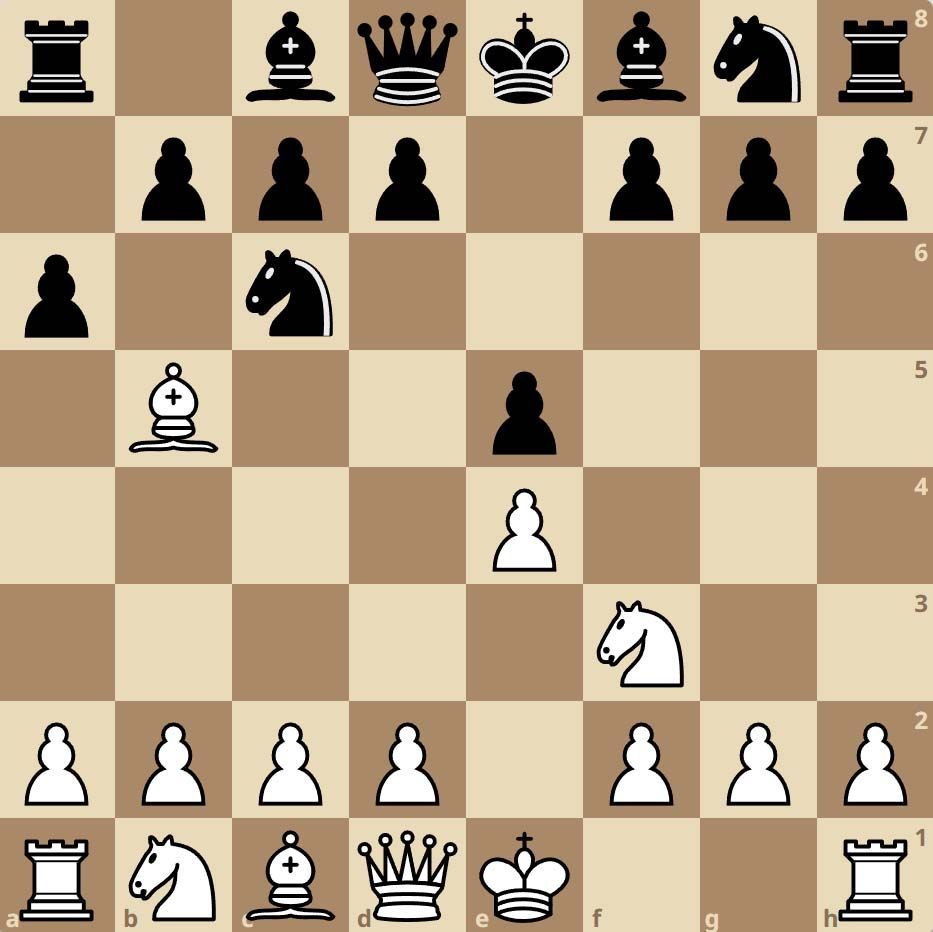
With 3…a6, the Morphy Defense is one of the most flexible replies. It forces White to choose between retreating the bishop or exchanging it, leading to various sub-variations like the Closed Variation and the Marshall Attack.
3.1. Marshall Attack
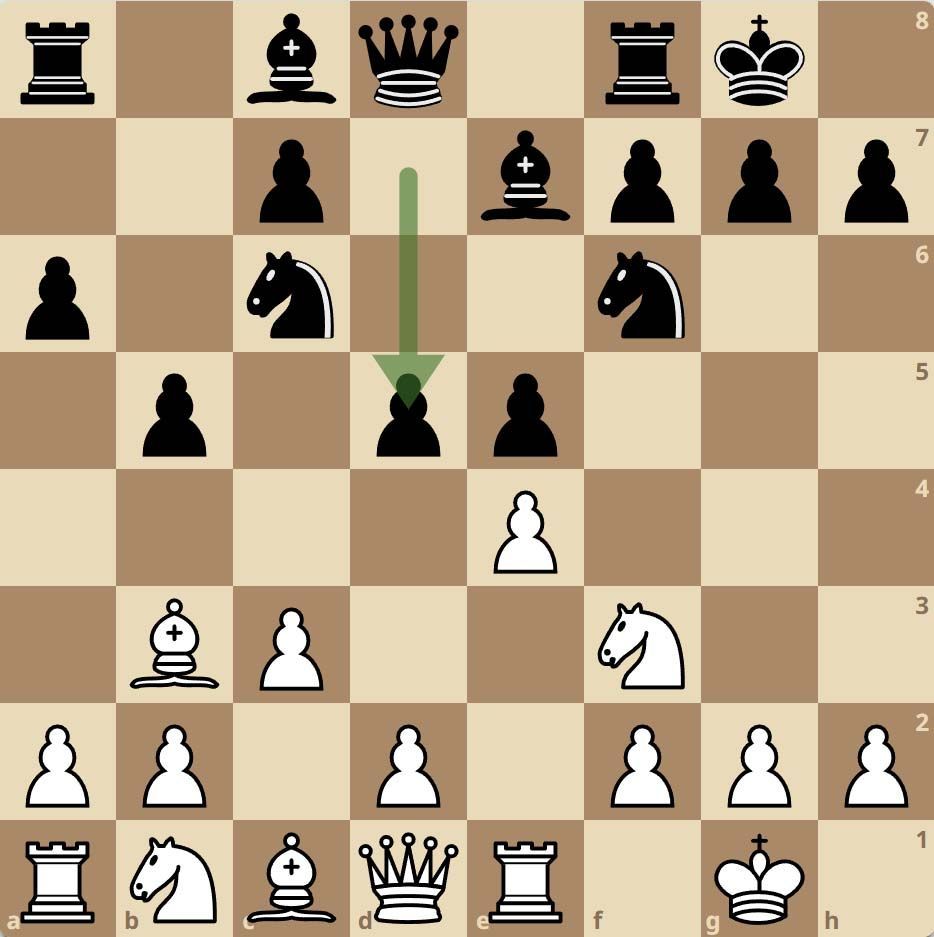
The Marshall Attack, arising after 3…a6 4.Ba4 Nf6 5.O-O Be7 6.Re1 b5 7.Bb3 O-O 8.c3 d5, is an aggressive line that seeks counterplay on the kingside with a strong pawn thrust. Ideal for Black players who prefer dynamic and direct play.
3.2. Anti-Marshall Variation
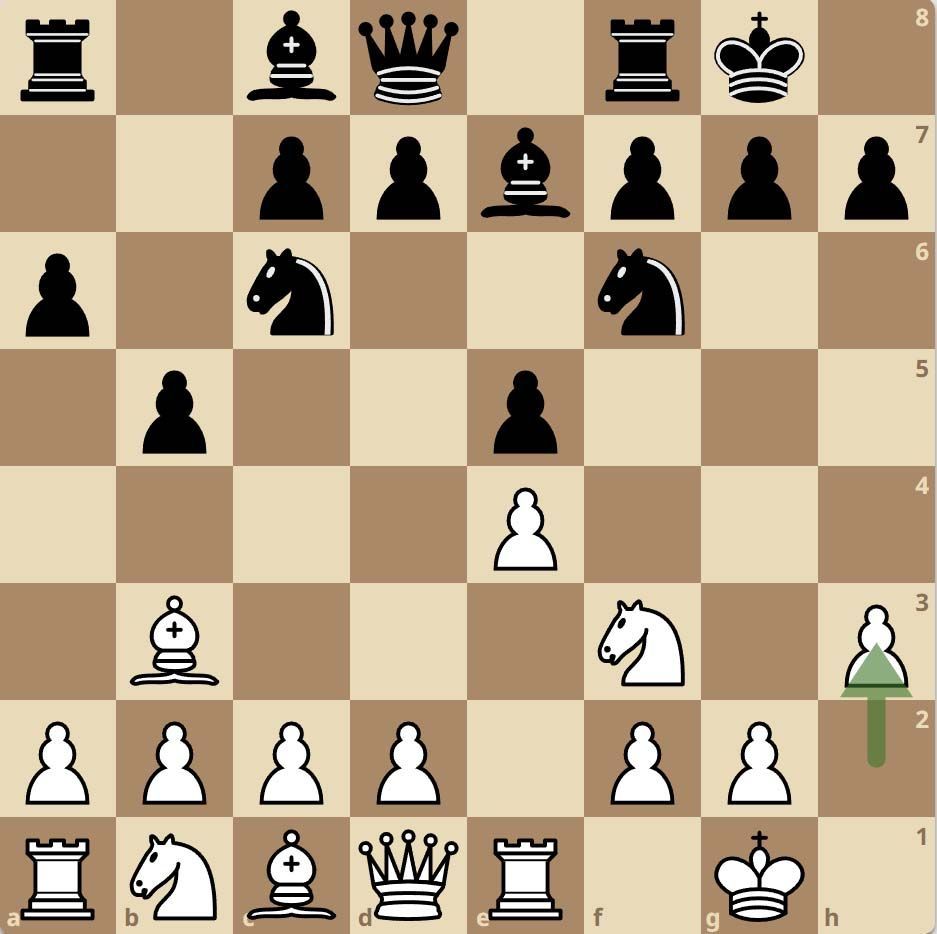
White can avoid the Marshall Attack by playing 8.h3 instead of 8.c3. This move strengthens kingside control and delays commitment to Marshall lines.
4. Exchange Variation
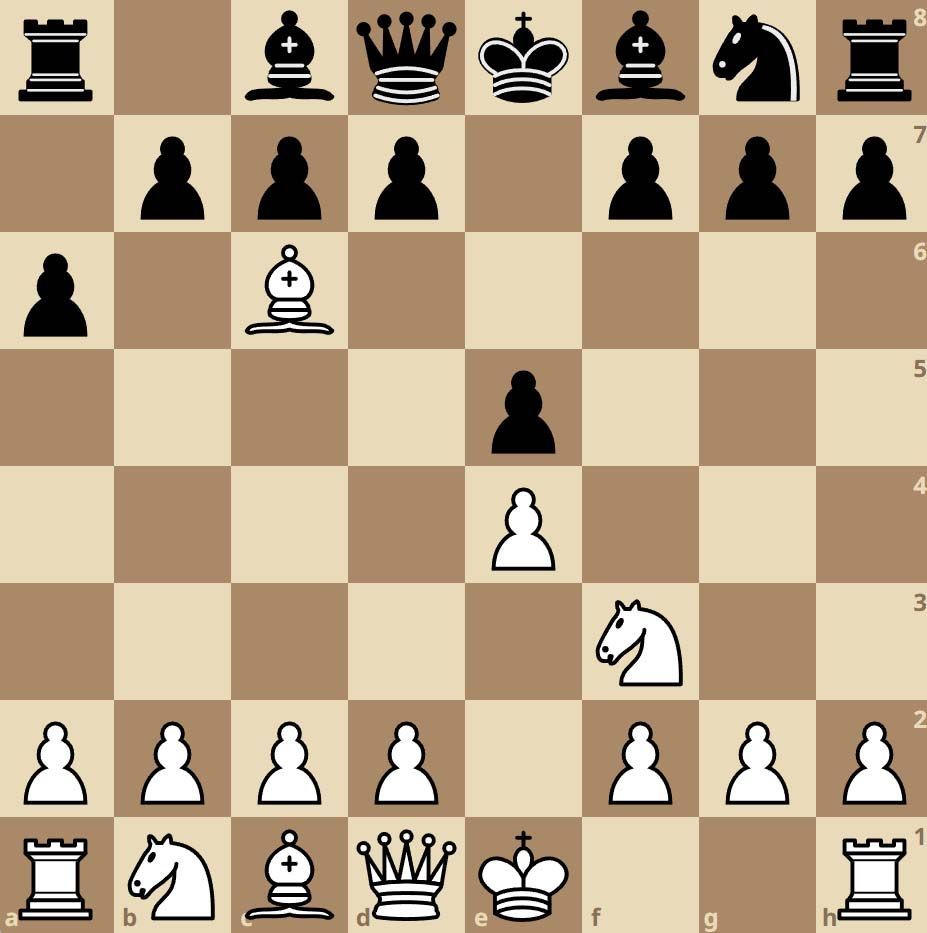
With 4.Bxc6, White opts to exchange the bishop for the knight on c6, weakening Black’s pawn structure while giving Black the bishop pair—useful in open positions. This variation is often used to simplify the position.
5. Cozio Variation
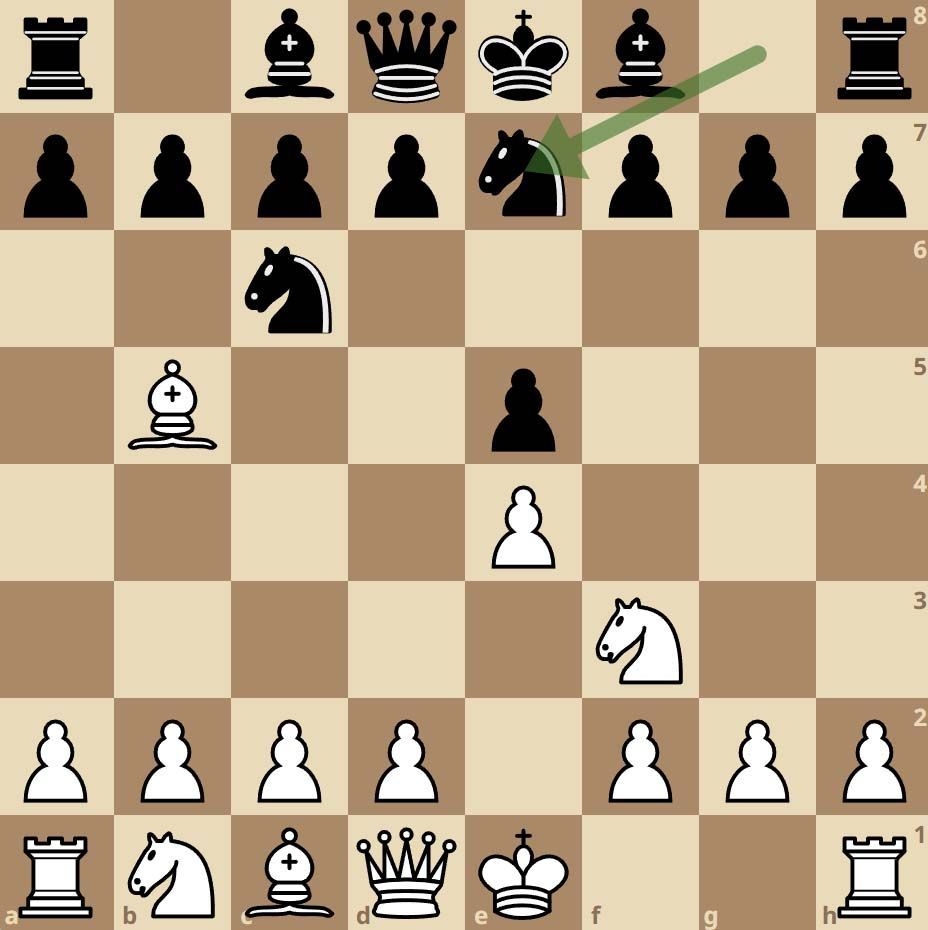
With 3…Nge7, the Cozio Variation is a less common but interesting choice that offers a solid and flexible defensive structure. It often leads to quieter positions where Black looks to counterattack later.
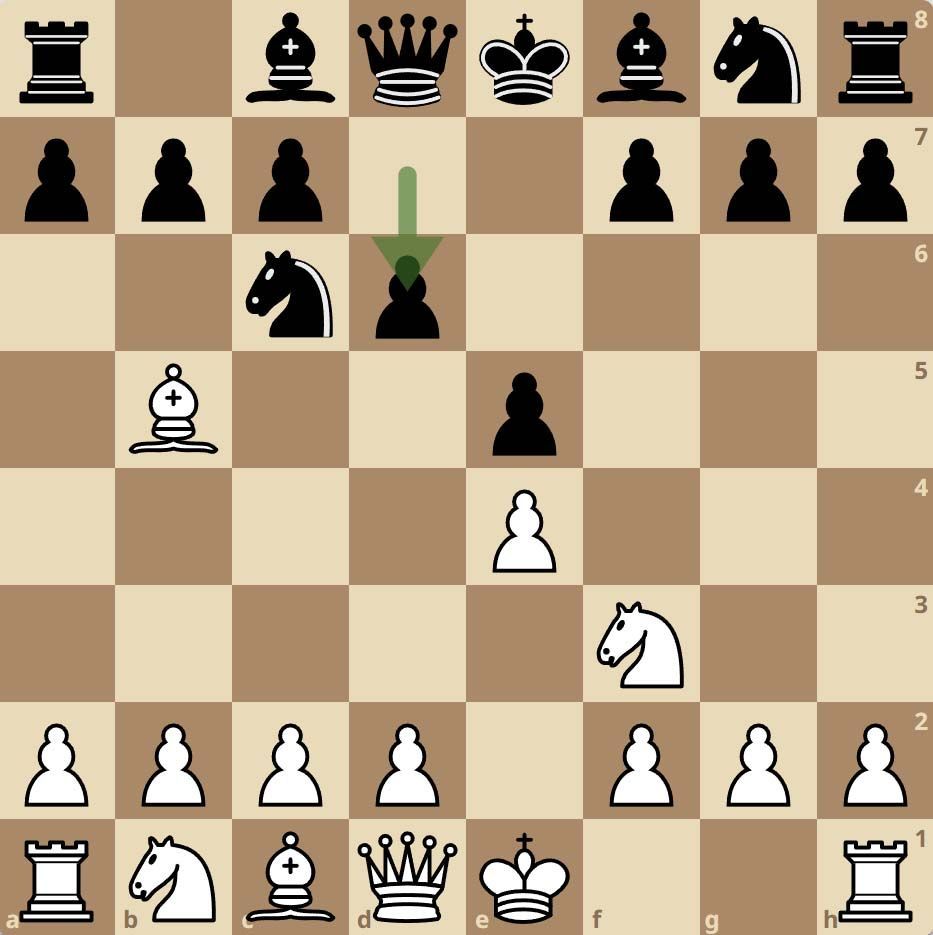
6. Steinitz Variation
The Steinitz Variation begins with 3…d6, aiming to develop pieces without rushing central exchanges. This passive yet solid approach lets Black slowly build their position before launching counterplay.
7. Berlin Defense
The Berlin Defense appears after 1.e4 e5 2.Nf3 Nc6 3.Bb5 Nf6. Here, Black avoids the complexity of the Closed Spanish by seeking an early queen exchange and aiming for solidity.

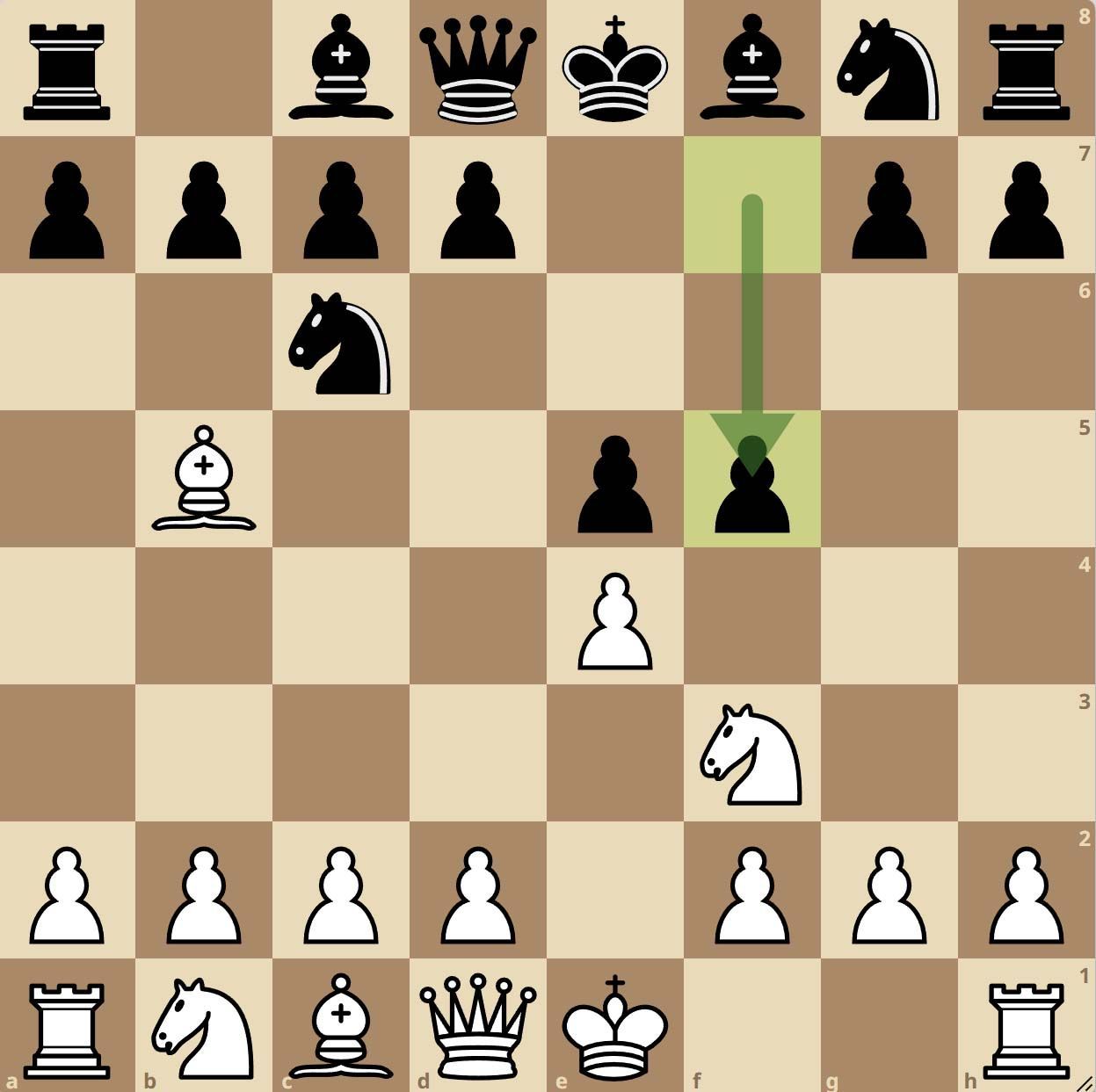
8. Schliemann Defense (Jaenisch Gambit)
The Schliemann Defense, also known as the Jaenisch Gambit, arises after 1.e4 e5 2.Nf3 Nc6 3.Bb5 f5. This move initiates immediate aggression, applying pressure on e4 and challenging the center. Ideal for players who want to avoid mainline theory and enter tactical battles early.
Common Mistakes in the Spanish Opening
- Underestimating center control: Ignoring the fight for central dominance can let Black take over the position early.
- Playing 4.Bxc6 too soon: This exchange should be considered carefully, as it gives up an active bishop despite damaging Black’s structure.
- Failing to anticipate the Marshall Attack: If White doesn’t avoid it, Black can quickly gain aggressive play.
Tips for Playing the Ruy López Opening
- Study the most popular variations: Since the Spanish Opening is vast, learning the main lines and transitions helps you anticipate your opponent’s ideas.
- Maintain central control: A solid central pawn structure is crucial for a successful middlegame.
- Practice different styles: The Spanish Opening supports both positional and tactical play, so it’s useful to become proficient in both.
Conclusion
The Spanish Opening is played by chess enthusiasts of all levels and remains one of the most popular and essential openings in chess. It is a cornerstone of any serious player’s repertoire, though, as you’ve seen, it requires study and understanding.
If you want to learn more about the Ruy López, its lines, and middlegame plans, join our online chess school, where we offer the first class FREE!